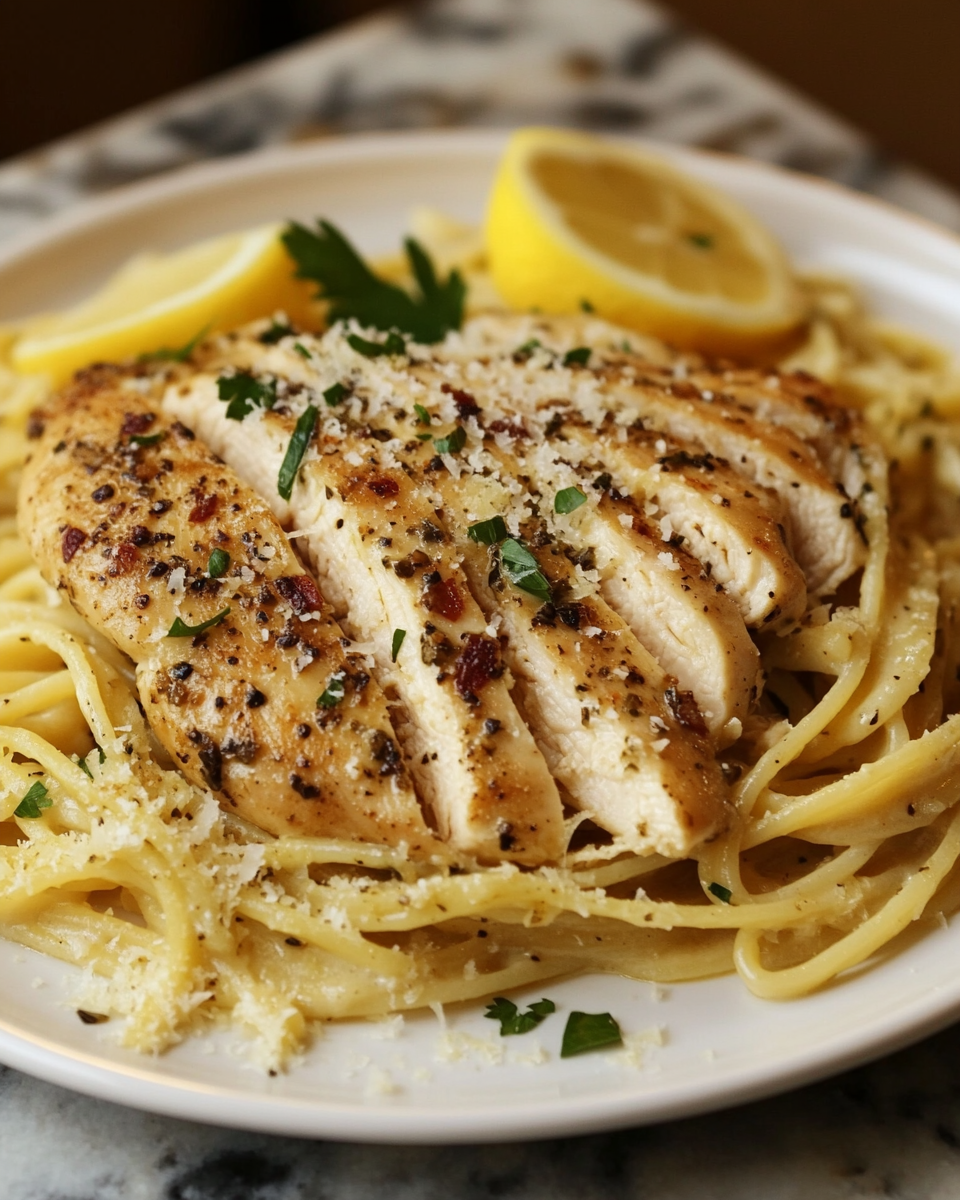
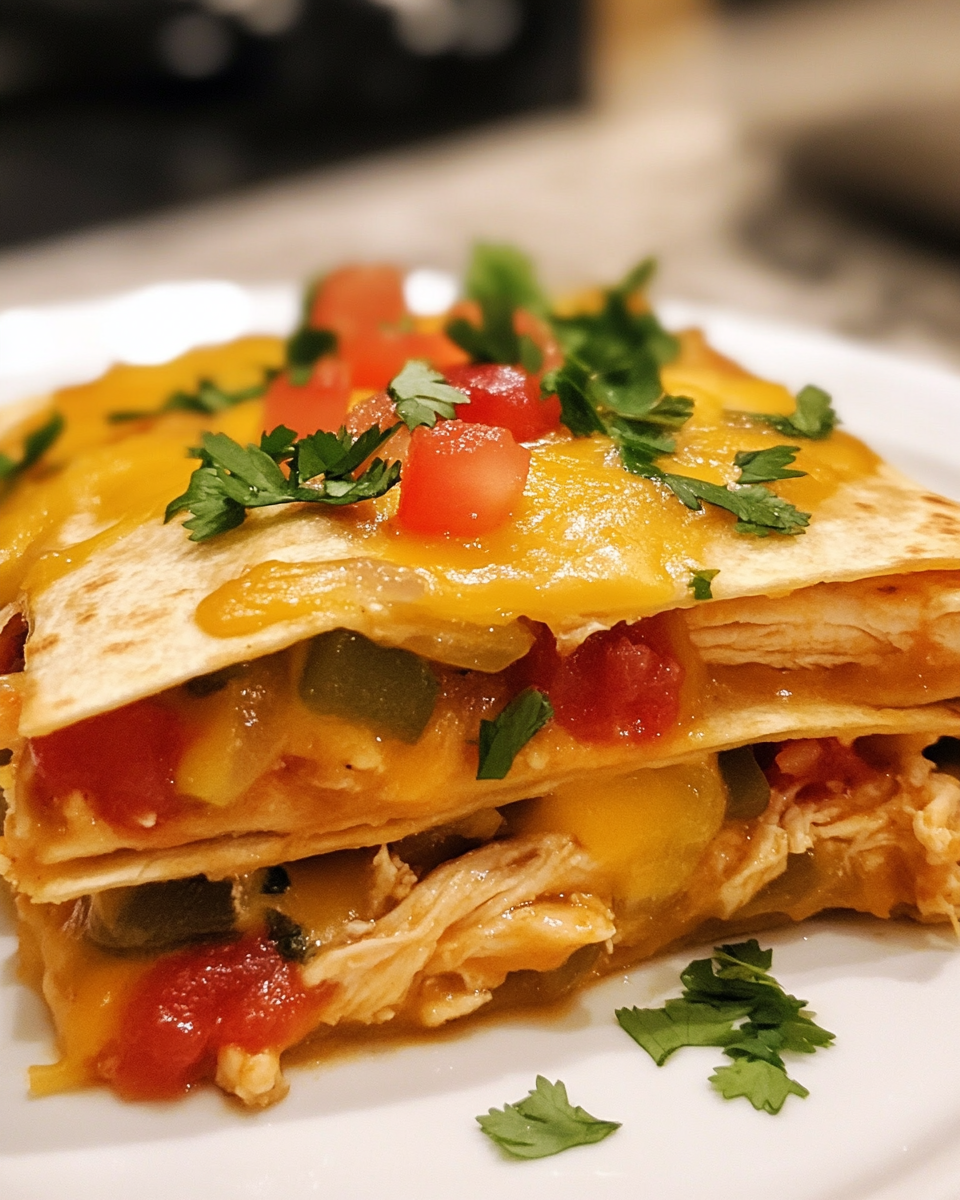
Roasted chicken and vegetables cooked together on a single pan bring a comforting, home-style meal that feels both practical and deeply satisfying. One Pan Roasted Chicken and Veggies is the kind of dish that fills the kitchen with warm aromas while keeping cleanup minimal and stress low.
This recipe brings together juicy chicken pieces with a colorful mix of vegetables that roast alongside each other until tender and lightly caramelized. The chicken releases flavorful juices as it cooks, coating the vegetables and adding depth to every bite.
Perfect for busy evenings or relaxed weekends, this dish is flexible enough to fit what you already have in your kitchen. It works well with a variety of vegetables and seasonings, making it easy to adapt without losing its core appeal.
The roasting process brings out natural sweetness in the vegetables while keeping the chicken moist and flavorful. Everything cooks together in one pan, which helps the ingredients blend in a natural and balanced way.
Ingredients Overview

This dish relies on a balanced combination of protein, vegetables, fat, and seasoning to create a well-rounded meal. Bone-in, skin-on chicken pieces are commonly used because they stay juicy during roasting and develop a lightly crisp surface. Chicken thighs or drumsticks are especially reliable choices since they remain tender even at high heat.
Vegetables play a central role in both flavor and texture. Common choices include potatoes, carrots, zucchini, bell peppers, and red onion. Root vegetables like potatoes and carrots take longer to cook, so they are cut into smaller pieces to match the roasting time of the chicken. Softer vegetables such as zucchini and bell peppers are added in larger chunks so they do not overcook.
Olive oil helps coat everything evenly, supporting browning and preventing dryness. Garlic adds depth, while dried herbs such as thyme, oregano, or rosemary bring an earthy aroma that pairs well with roasted poultry. Paprika contributes mild warmth and color without overpowering the dish.
Salt and black pepper are essential for seasoning and bringing out natural flavors. A touch of lemon juice or wedges added at the end can brighten the overall taste.
The combination of these ingredients creates a balanced meal where each component complements the others without requiring complicated preparation or technique.
Ingredients
2 pounds bone-in chicken thighs or drumsticks
3 medium potatoes, cut into chunks
2 large carrots, sliced
1 red bell pepper, chopped
1 zucchini, chopped
1 red onion, cut into wedges
4 cloves garlic, minced
3 tablespoons olive oil
1 teaspoon dried thyme
1 teaspoon dried oregano
1 teaspoon paprika
1 teaspoon salt
1/2 teaspoon black pepper
1 lemon, cut into wedges
Fresh parsley for garnish
Step-by-Step Instructions

Start by preheating the oven to 425°F (220°C). A hot oven is important for achieving roasted edges on both the chicken and vegetables. Lightly grease a large sheet pan or baking tray with a small amount of olive oil.
Place the chicken pieces in a large bowl and pat them dry with paper towels. Drying the surface helps the skin brown more effectively during roasting. Add olive oil, garlic, thyme, oregano, paprika, salt, and black pepper. Mix well so each piece is evenly coated.
In another bowl, toss the potatoes and carrots with a small amount of olive oil and a pinch of salt. These vegetables take longer to cook, so they are placed on the pan first.
Spread the potatoes and carrots onto the baking sheet in a single layer. Arrange the chicken pieces on top or between them, leaving space so heat can circulate properly. Place the pan in the oven and roast for about 25 minutes.
After the initial roasting time, add the bell pepper, zucchini, and red onion to the pan. Toss them lightly with any juices on the tray before spreading them out again. Return the pan to the oven and continue roasting for another 20–25 minutes.
Check that the chicken reaches a safe internal temperature of 165°F (74°C). The skin should appear golden, and the vegetables should be tender with lightly browned edges. If needed, roast for a few extra minutes.
Once done, remove the pan from the oven and squeeze fresh lemon juice over everything. Sprinkle chopped parsley on top before serving for a fresh finish.
Tips, Variations & Substitutions
Cut vegetables into similar sizes so they cook evenly alongside the chicken. Hard vegetables like potatoes should be smaller than softer ones like zucchini to balance cooking times.
For extra flavor, marinate the chicken for a few hours before cooking using olive oil, garlic, herbs, and spices. This step deepens the seasoning without adding complexity to the process.
You can swap vegetables based on season or preference. Broccoli, Brussels sprouts, sweet potatoes, or mushrooms all work well in this recipe. Just adjust cutting size to match cooking time.
Boneless chicken can also be used, though cooking time will be shorter. Keep an eye on doneness to avoid drying out the meat.
If you prefer a slightly crispier finish, switch the oven to broil for the last 2–3 minutes while watching closely.
Serving Ideas & Occasions
This dish pairs well with simple sides like crusty bread, rice, or quinoa. A light green salad also complements the roasted flavors nicely without overpowering the meal.
It works well as a family dinner, meal prep option, or casual gathering dish. Since everything cooks on one pan, it is convenient for evenings when time is limited but a warm meal is still desired.
Leftovers can be enjoyed the next day and often taste even richer after the flavors settle.
Nutritional & Health Notes
This meal provides a balanced mix of protein, fiber, and healthy fats. Chicken offers a strong protein base that supports fullness and energy.
Vegetables contribute vitamins, minerals, and fiber, which help round out the nutritional profile of the dish. Using olive oil adds heart-friendly fats while supporting roasting and flavor development.
Portion sizes can be adjusted depending on dietary needs, and the recipe naturally fits into a balanced eating pattern without heavy processing or added sugars.
FAQs
Can I use boneless chicken instead of bone-in?
Yes, boneless chicken works well in this recipe. It cooks faster, so you should reduce the roasting time by about 10–15 minutes. Keep an eye on the internal temperature to avoid overcooking. Boneless cuts may not be as juicy as bone-in pieces, but they still absorb flavor well from the herbs, garlic, and vegetables.
What vegetables work best for roasting?
Firm vegetables such as potatoes, carrots, sweet potatoes, broccoli, and Brussels sprouts roast very well. Softer vegetables like zucchini, bell peppers, and mushrooms should be added later in the cooking process so they do not become too soft. Mixing both types gives a balanced texture and flavor in the finished dish.
How do I keep the chicken juicy?
Patting the chicken dry, coating it with oil, and roasting at a high temperature helps lock in moisture. Bone-in pieces also stay naturally juicier during cooking. Avoid overcooking by checking the internal temperature. Letting the chicken rest for a few minutes after roasting helps juices settle back into the meat.
Can I prepare this dish ahead of time?
Yes, you can chop the vegetables and season the chicken ahead of time. Store them separately in the refrigerator until ready to cook. You can also fully cook the dish and reheat it later, although freshly roasted vegetables have the best texture.
What herbs work best with this recipe?
Thyme, rosemary, oregano, and parsley are commonly used in roasted chicken dishes. These herbs pair well with both chicken and vegetables, adding earthy and aromatic notes. You can use dried or fresh herbs depending on what you have available.
Can I make this without oil?
You can reduce the oil, but a small amount is recommended for roasting. Oil helps with browning and prevents the ingredients from drying out. Without it, the texture may be less crisp and slightly uneven.
How do I store leftovers?
Store leftovers in an airtight container in the refrigerator for up to 3–4 days. Reheat in the oven or skillet to maintain texture. Microwaving is faster but may soften the vegetables more than reheating in dry heat.