Lemon Herb Chicken Pasta: 5 Simple Cozy Plates

Posted on

Uncategorized

Difficulty

Prep time

Cooking time

Total time

Servings

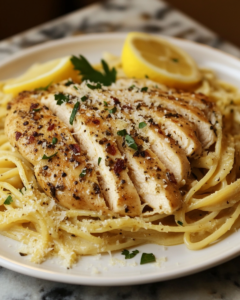
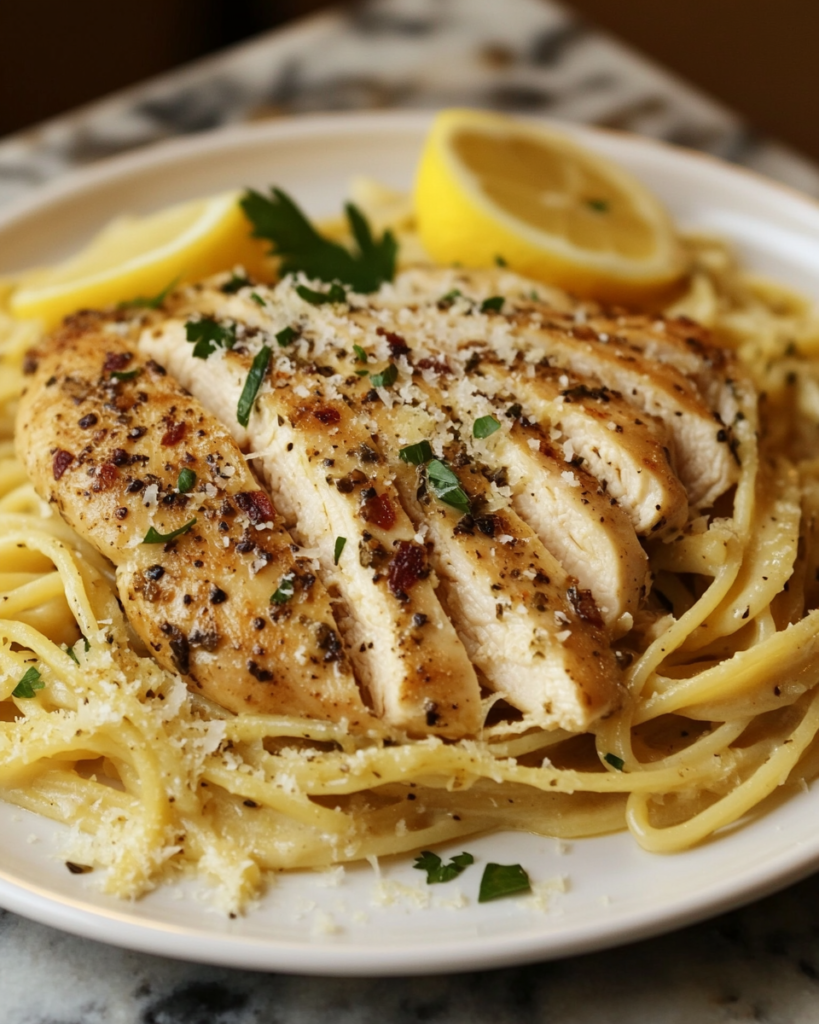
Lemon Herb Chicken Pasta brings bright citrus, tender chicken, fragrant herbs, and silky pasta into a comforting dinner suitable during busy evenings or relaxed family gatherings. Each forkful carries savory chicken, fresh parsley, basil, garlic, and a light lemon sauce that coats every strand without feeling heavy.

This pasta carries balanced richness from butter and Parmesan while fresh lemon juice keeps each bite lively. Pan-seared chicken adds hearty texture, while herbs bring garden freshness across the entire dish. Since preparation moves quickly, this recipe suits weeknight cooking without sacrificing flavor or texture.

Ingredients Overview
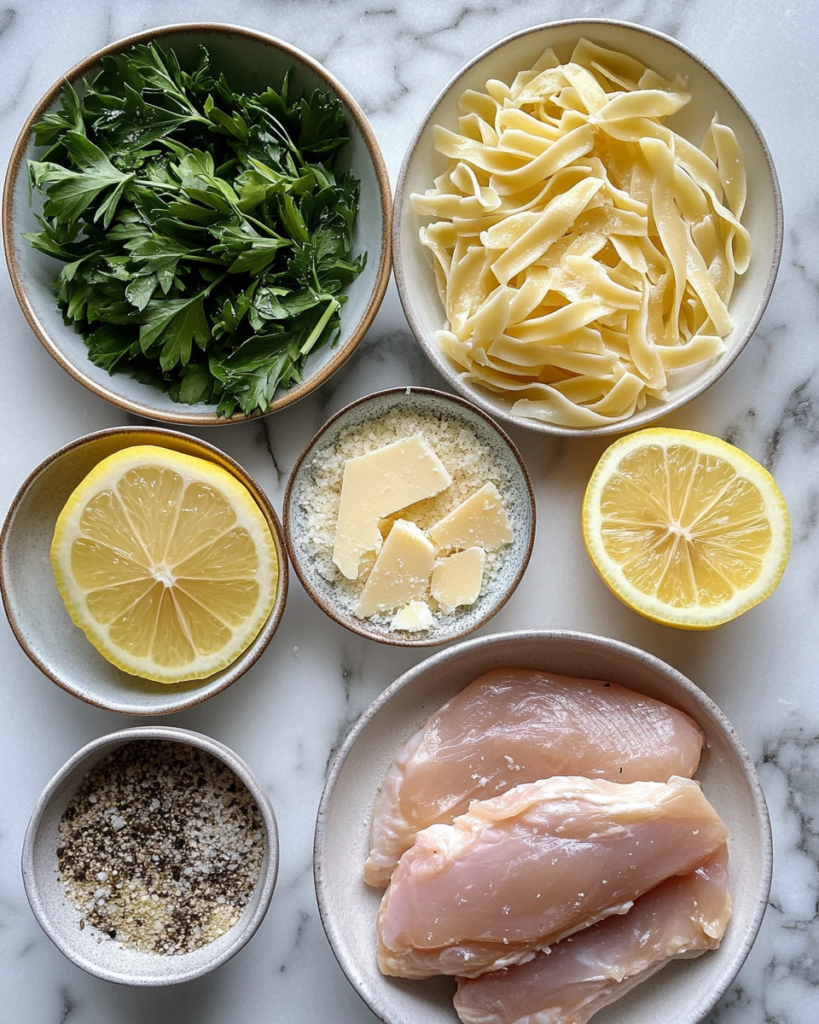
Chicken breast forms the hearty center within this pasta. Boneless skinless chicken cooks rapidly while staying juicy after gentle searing. Italian seasoning, garlic, salt, and black pepper create savory depth across every piece.

Lemon juice supplies brightness throughout the sauce. Fresh lemons carry sharper flavor compared with bottled juice, while lemon zest adds fragrant citrus oils that linger pleasantly within the finished pasta. Butter softens the citrus edge while chicken broth brings savory balance.

Pasta acts as the foundation that ties every ingredient together. Linguine, fettuccine, or spaghetti all suit this recipe nicely since long strands catch the glossy sauce easily. Short pasta such as penne also works during pantry-focused cooking.

Fresh parsley and basil bring herbal freshness that lifts the savory chicken and buttery sauce. Dried herbs function during colder months, though fresh herbs carry fuller aroma and brighter color.

Parmesan adds salty richness and slight nuttiness. Freshly grated Parmesan melts smoothly into the sauce without clumping. Heavy cream remains optional; a small splash creates a silkier texture without turning the dish overly rich.

Garlic rounds everything together with savory warmth. Olive oil assists with chicken browning while preventing sticking during searing. Red pepper flakes add mild heat for diners craving subtle spice.

Ingredients

2 boneless skinless chicken breasts, sliced thinly
12 ounces linguine
2 tablespoons olive oil
2 tablespoons butter
4 garlic cloves, minced
1 teaspoon Italian seasoning
1 teaspoon salt
1/2 teaspoon black pepper
1/4 teaspoon red pepper flakes
1 lemon, zested
1/4 cup fresh lemon juice
3/4 cup chicken broth
1/3 cup grated Parmesan cheese
2 tablespoons heavy cream
2 tablespoons chopped parsley
2 tablespoons chopped basil
Extra Parmesan for serving

Step-by-Step Instructions
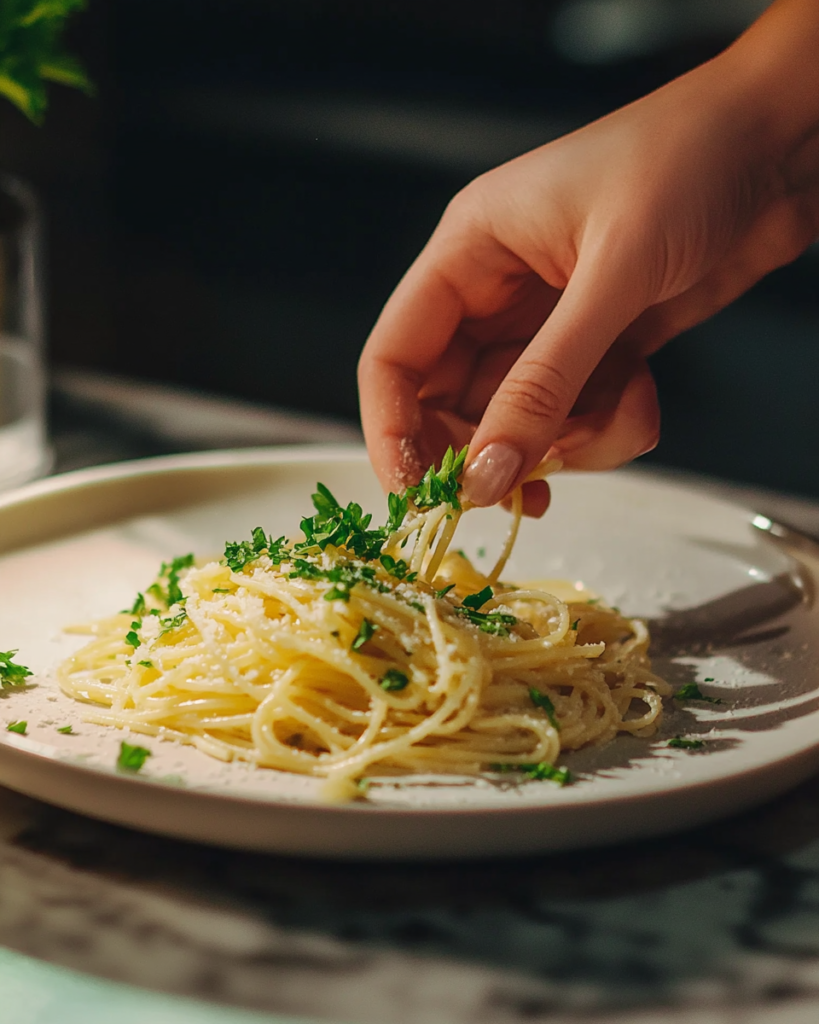
Bring a large pot filled with salted water to a rolling boil. Add linguine and cook until slightly firm according to package timing. Reserve 1 cup pasta water before draining.

While pasta cooks, pat chicken dry using paper towels. Dry chicken browns more evenly and develops richer color during searing. Season chicken slices with Italian seasoning, salt, and black pepper across both sides.

Place a large skillet across medium-high heat. Add olive oil and allow gentle shimmering before adding chicken. Avoid overcrowding the skillet since crowded chicken releases moisture instead of browning properly. Cook chicken for roughly 4 minutes per side until golden edges appear and internal temperature reaches 165 degrees Fahrenheit.

Transfer cooked chicken onto a plate. Lower heat slightly, then add butter into the same skillet. Stir garlic continuously for roughly 30 seconds until fragrant. Garlic burns rapidly, so constant stirring helps prevent bitterness.

Add chicken broth, lemon juice, lemon zest, and red pepper flakes. Scrape browned bits from the skillet bottom using a wooden spoon. Those browned bits carry concentrated savory flavor that enriches the sauce naturally.

Allow the sauce to simmer for 3 to 4 minutes until slightly reduced. Stir heavy cream into the skillet, followed by Parmesan cheese. Continue stirring gently until the cheese melts fully into the sauce.

Return cooked chicken into the skillet. Add drained pasta and toss thoroughly until every strand carries glossy sauce. If the mixture appears overly thick, stir small splashes of reserved pasta water gradually until silky texture develops.

Scatter parsley and basil across the pasta shortly before serving. Fresh herbs added near the finish retain brighter flavor and fresher appearance.

Taste the sauce and adjust salt or lemon juice if necessary. Additional Parmesan across each bowl adds savory richness. Serve immediately while the sauce remains glossy and warm.

A frequent issue with lemon pasta involves excessive acidity. Balanced butter, broth, and Parmesan prevent harsh citrus flavor. Another common issue comes from overcooked chicken. Thin slices cook rapidly, so extended skillet time can create dry texture.

Tips, Variations & Substitutions

Chicken thighs function beautifully within this recipe since darker meat stays juicy during longer cooking. Shrimp also pairs nicely alongside the lemon herb sauce and cooks within only several minutes.

Spinach, asparagus, peas, or broccoli bring additional color and texture. Stir delicate vegetables into the skillet shortly before serving so they remain vibrant rather than mushy.

Gluten-free pasta functions successfully here, though careful timing helps prevent softness. Reserve extra pasta water because gluten-free noodles often absorb additional sauce.

For richer texture, increase heavy cream slightly. Diners seeking lighter texture can skip cream entirely and rely solely upon broth, butter, and Parmesan.

Fresh dill creates another pleasant herbal layer alongside parsley and basil. Thyme also pairs nicely with lemon and chicken during colder seasons.

During warmer months, grilled chicken adds gentle smoky character. Charred edges from outdoor grilling contrast beautifully against the bright citrus sauce.

Leftovers store nicely within airtight containers inside the refrigerator for roughly three days. Reheat gently across low heat with a splash of broth so the sauce regains silky consistency.

Serving Ideas & Occasions

Lemon Herb Chicken Pasta suits casual family dinners, relaxed weekend lunches, and small dinner gatherings. Since the dish feels comforting without excessive heaviness, it works nicely throughout spring and summer.

Garlic bread pairs wonderfully alongside the bright citrus sauce. A crisp green salad featuring cucumbers and vinaigrette also balances the buttery pasta beautifully. Roasted asparagus or green beans contribute pleasant texture beside the tender noodles.

Sparkling water infused with lemon slices complements the fresh herbal notes nicely. Iced tea also pairs pleasantly during warm evenings.

This pasta carries attractive presentation without difficult preparation, making it suitable during gatherings where hosts prefer simple cooking alongside polished flavor. Fresh herbs and Parmesan scattered across serving bowls create restaurant-style appearance straight from a home kitchen.

Nutritional & Health Notes

Chicken breast supplies lean protein that helps create satisfying meals without excessive heaviness. Parmesan contributes calcium alongside savory flavor, while olive oil and butter provide richness that balances the bright lemon sauce.

Fresh herbs contribute aroma and freshness without relying upon heavy cream or excessive cheese. Lemon juice brightens the sauce naturally, allowing lighter texture compared with heavier Alfredo-style pasta dishes.

Portion balance remains important since pasta dishes can become filling quickly. Pairing the pasta alongside vegetables or salad creates a balanced plate with varied textures and nutrients.

Since sodium levels vary between broth and Parmesan brands, tasting throughout cooking helps maintain balanced seasoning. Reduced-sodium broth works nicely for diners preferring lighter salt levels.

Whole wheat pasta also functions successfully and adds additional fiber alongside slightly nuttier flavor.

FAQs

Can chicken thighs replace chicken breast?

Chicken thighs suit this recipe beautifully because darker meat remains juicy during skillet cooking. Boneless skinless thighs require slightly longer cooking time compared with thin chicken breast slices. Since thighs carry additional fat, they also contribute richer flavor throughout the lemon sauce. Trim excess fat before cooking for cleaner texture. Internal temperature should still reach 165 degrees Fahrenheit before serving. Many diners appreciate the deeper savory flavor thighs bring alongside bright citrus and herbs.

Which pasta shape suits this sauce most nicely?

Long pasta such as linguine or fettuccine catches the silky sauce beautifully while wrapping around tender chicken pieces easily. Spaghetti also functions nicely during pantry-focused cooking. Short pasta such as penne or rotini still works because grooves trap lemon sauce effectively. Fresh pasta creates softer texture and cooks rapidly, while dried pasta delivers slightly firmer bite. Reserve pasta water regardless of shape because starchy water helps create glossy sauce consistency.

Can this dish stay dairy free?

Yes. Replace butter using additional olive oil and skip Parmesan entirely or substitute dairy-free Parmesan alternatives. Coconut cream can replace heavy cream, though flavor shifts slightly sweeter. Dairy-free versions still carry bright citrus flavor and herbal freshness. Taste carefully throughout cooking because Parmesan normally contributes saltiness that may require adjustment during dairy-free preparation. Fresh herbs remain particularly important within dairy-free versions because they maintain lively flavor.

How should leftovers stay fresh?

Transfer cooled pasta into airtight containers shortly after dinner. Refrigerated leftovers typically remain pleasant for roughly three days. During reheating, place pasta into a skillet across low heat alongside broth or water. Gentle reheating helps preserve sauce texture while preventing dryness. Microwaving functions adequately, though short intervals with stirring between rounds create smoother results. Fresh parsley scattered across reheated servings refreshes flavor pleasantly.

Can vegetables join this pasta?

Vegetables pair wonderfully alongside lemon herb sauce. Spinach wilts rapidly into the hot pasta, while asparagus and broccoli add gentle crunch. Peas contribute sweetness that balances the lemon nicely. Zucchini and cherry tomatoes also complement the fresh herbs pleasantly. Roast firmer vegetables beforehand for deeper flavor. Avoid overcrowding the skillet because excess moisture can thin the sauce excessively.

How can overly sharp lemon flavor become milder?

Additional butter, Parmesan, or cream softens excessive citrus sharpness quickly. Broth also balances acidity without masking fresh flavor entirely. Fresh lemon juice varies naturally in intensity, so gradual additions help maintain balance. Taste throughout cooking rather than pouring all juice immediately into the skillet. Pasta water can also mellow concentrated citrus while keeping the sauce silky.

Is this recipe suitable during busy evenings?

Absolutely. Most preparation finishes within roughly thirty minutes, especially if ingredients stay prepped beforehand. Chicken cooks rapidly after slicing thinly, while the sauce develops quickly inside the same skillet. Minimal cleanup also helps during hectic evenings because the recipe relies mainly upon one pot and one skillet. Fresh herbs added near serving time create polished flavor without lengthy preparation.

[rank_math_breadcrumb]

Lemon Herb Chicken Pasta: 5 Simple Cozy Plates

Photo of author
Author: Mia
Published:

Lemon Herb Chicken Pasta brings bright citrus, tender chicken, fragrant herbs, and silky pasta into a comforting dinner suitable during busy evenings or relaxed family gatherings. Each forkful carries savory chicken, fresh parsley, basil, garlic, and a light lemon sauce that coats every strand without feeling heavy.

This pasta carries balanced richness from butter and Parmesan while fresh lemon juice keeps each bite lively. Pan-seared chicken adds hearty texture, while herbs bring garden freshness across the entire dish. Since preparation moves quickly, this recipe suits weeknight cooking without sacrificing flavor or texture.

Ingredients Overview

Chicken breast forms the hearty center within this pasta. Boneless skinless chicken cooks rapidly while staying juicy after gentle searing. Italian seasoning, garlic, salt, and black pepper create savory depth across every piece.

Lemon juice supplies brightness throughout the sauce. Fresh lemons carry sharper flavor compared with bottled juice, while lemon zest adds fragrant citrus oils that linger pleasantly within the finished pasta. Butter softens the citrus edge while chicken broth brings savory balance.

Pasta acts as the foundation that ties every ingredient together. Linguine, fettuccine, or spaghetti all suit this recipe nicely since long strands catch the glossy sauce easily. Short pasta such as penne also works during pantry-focused cooking.

Fresh parsley and basil bring herbal freshness that lifts the savory chicken and buttery sauce. Dried herbs function during colder months, though fresh herbs carry fuller aroma and brighter color.

Parmesan adds salty richness and slight nuttiness. Freshly grated Parmesan melts smoothly into the sauce without clumping. Heavy cream remains optional; a small splash creates a silkier texture without turning the dish overly rich.

Garlic rounds everything together with savory warmth. Olive oil assists with chicken browning while preventing sticking during searing. Red pepper flakes add mild heat for diners craving subtle spice.

Ingredients

2 boneless skinless chicken breasts, sliced thinly
12 ounces linguine
2 tablespoons olive oil
2 tablespoons butter
4 garlic cloves, minced
1 teaspoon Italian seasoning
1 teaspoon salt
1/2 teaspoon black pepper
1/4 teaspoon red pepper flakes
1 lemon, zested
1/4 cup fresh lemon juice
3/4 cup chicken broth
1/3 cup grated Parmesan cheese
2 tablespoons heavy cream
2 tablespoons chopped parsley
2 tablespoons chopped basil
Extra Parmesan for serving

Step-by-Step Instructions

Bring a large pot filled with salted water to a rolling boil. Add linguine and cook until slightly firm according to package timing. Reserve 1 cup pasta water before draining.

While pasta cooks, pat chicken dry using paper towels. Dry chicken browns more evenly and develops richer color during searing. Season chicken slices with Italian seasoning, salt, and black pepper across both sides.

Place a large skillet across medium-high heat. Add olive oil and allow gentle shimmering before adding chicken. Avoid overcrowding the skillet since crowded chicken releases moisture instead of browning properly. Cook chicken for roughly 4 minutes per side until golden edges appear and internal temperature reaches 165 degrees Fahrenheit.

Transfer cooked chicken onto a plate. Lower heat slightly, then add butter into the same skillet. Stir garlic continuously for roughly 30 seconds until fragrant. Garlic burns rapidly, so constant stirring helps prevent bitterness.

Add chicken broth, lemon juice, lemon zest, and red pepper flakes. Scrape browned bits from the skillet bottom using a wooden spoon. Those browned bits carry concentrated savory flavor that enriches the sauce naturally.

Allow the sauce to simmer for 3 to 4 minutes until slightly reduced. Stir heavy cream into the skillet, followed by Parmesan cheese. Continue stirring gently until the cheese melts fully into the sauce.

Return cooked chicken into the skillet. Add drained pasta and toss thoroughly until every strand carries glossy sauce. If the mixture appears overly thick, stir small splashes of reserved pasta water gradually until silky texture develops.

Scatter parsley and basil across the pasta shortly before serving. Fresh herbs added near the finish retain brighter flavor and fresher appearance.

Taste the sauce and adjust salt or lemon juice if necessary. Additional Parmesan across each bowl adds savory richness. Serve immediately while the sauce remains glossy and warm.

A frequent issue with lemon pasta involves excessive acidity. Balanced butter, broth, and Parmesan prevent harsh citrus flavor. Another common issue comes from overcooked chicken. Thin slices cook rapidly, so extended skillet time can create dry texture.

Tips, Variations & Substitutions

Chicken thighs function beautifully within this recipe since darker meat stays juicy during longer cooking. Shrimp also pairs nicely alongside the lemon herb sauce and cooks within only several minutes.

Spinach, asparagus, peas, or broccoli bring additional color and texture. Stir delicate vegetables into the skillet shortly before serving so they remain vibrant rather than mushy.

Gluten-free pasta functions successfully here, though careful timing helps prevent softness. Reserve extra pasta water because gluten-free noodles often absorb additional sauce.

For richer texture, increase heavy cream slightly. Diners seeking lighter texture can skip cream entirely and rely solely upon broth, butter, and Parmesan.

Fresh dill creates another pleasant herbal layer alongside parsley and basil. Thyme also pairs nicely with lemon and chicken during colder seasons.

During warmer months, grilled chicken adds gentle smoky character. Charred edges from outdoor grilling contrast beautifully against the bright citrus sauce.

Leftovers store nicely within airtight containers inside the refrigerator for roughly three days. Reheat gently across low heat with a splash of broth so the sauce regains silky consistency.

Serving Ideas & Occasions

Lemon Herb Chicken Pasta suits casual family dinners, relaxed weekend lunches, and small dinner gatherings. Since the dish feels comforting without excessive heaviness, it works nicely throughout spring and summer.

Garlic bread pairs wonderfully alongside the bright citrus sauce. A crisp green salad featuring cucumbers and vinaigrette also balances the buttery pasta beautifully. Roasted asparagus or green beans contribute pleasant texture beside the tender noodles.

Sparkling water infused with lemon slices complements the fresh herbal notes nicely. Iced tea also pairs pleasantly during warm evenings.

This pasta carries attractive presentation without difficult preparation, making it suitable during gatherings where hosts prefer simple cooking alongside polished flavor. Fresh herbs and Parmesan scattered across serving bowls create restaurant-style appearance straight from a home kitchen.

Nutritional & Health Notes

Chicken breast supplies lean protein that helps create satisfying meals without excessive heaviness. Parmesan contributes calcium alongside savory flavor, while olive oil and butter provide richness that balances the bright lemon sauce.

Fresh herbs contribute aroma and freshness without relying upon heavy cream or excessive cheese. Lemon juice brightens the sauce naturally, allowing lighter texture compared with heavier Alfredo-style pasta dishes.

Portion balance remains important since pasta dishes can become filling quickly. Pairing the pasta alongside vegetables or salad creates a balanced plate with varied textures and nutrients.

Since sodium levels vary between broth and Parmesan brands, tasting throughout cooking helps maintain balanced seasoning. Reduced-sodium broth works nicely for diners preferring lighter salt levels.

Whole wheat pasta also functions successfully and adds additional fiber alongside slightly nuttier flavor.

FAQs

Can chicken thighs replace chicken breast?

Chicken thighs suit this recipe beautifully because darker meat remains juicy during skillet cooking. Boneless skinless thighs require slightly longer cooking time compared with thin chicken breast slices. Since thighs carry additional fat, they also contribute richer flavor throughout the lemon sauce. Trim excess fat before cooking for cleaner texture. Internal temperature should still reach 165 degrees Fahrenheit before serving. Many diners appreciate the deeper savory flavor thighs bring alongside bright citrus and herbs.

Which pasta shape suits this sauce most nicely?

Long pasta such as linguine or fettuccine catches the silky sauce beautifully while wrapping around tender chicken pieces easily. Spaghetti also functions nicely during pantry-focused cooking. Short pasta such as penne or rotini still works because grooves trap lemon sauce effectively. Fresh pasta creates softer texture and cooks rapidly, while dried pasta delivers slightly firmer bite. Reserve pasta water regardless of shape because starchy water helps create glossy sauce consistency.

Can this dish stay dairy free?

Yes. Replace butter using additional olive oil and skip Parmesan entirely or substitute dairy-free Parmesan alternatives. Coconut cream can replace heavy cream, though flavor shifts slightly sweeter. Dairy-free versions still carry bright citrus flavor and herbal freshness. Taste carefully throughout cooking because Parmesan normally contributes saltiness that may require adjustment during dairy-free preparation. Fresh herbs remain particularly important within dairy-free versions because they maintain lively flavor.

How should leftovers stay fresh?

Transfer cooled pasta into airtight containers shortly after dinner. Refrigerated leftovers typically remain pleasant for roughly three days. During reheating, place pasta into a skillet across low heat alongside broth or water. Gentle reheating helps preserve sauce texture while preventing dryness. Microwaving functions adequately, though short intervals with stirring between rounds create smoother results. Fresh parsley scattered across reheated servings refreshes flavor pleasantly.

Can vegetables join this pasta?

Vegetables pair wonderfully alongside lemon herb sauce. Spinach wilts rapidly into the hot pasta, while asparagus and broccoli add gentle crunch. Peas contribute sweetness that balances the lemon nicely. Zucchini and cherry tomatoes also complement the fresh herbs pleasantly. Roast firmer vegetables beforehand for deeper flavor. Avoid overcrowding the skillet because excess moisture can thin the sauce excessively.

How can overly sharp lemon flavor become milder?

Additional butter, Parmesan, or cream softens excessive citrus sharpness quickly. Broth also balances acidity without masking fresh flavor entirely. Fresh lemon juice varies naturally in intensity, so gradual additions help maintain balance. Taste throughout cooking rather than pouring all juice immediately into the skillet. Pasta water can also mellow concentrated citrus while keeping the sauce silky.

Is this recipe suitable during busy evenings?

Absolutely. Most preparation finishes within roughly thirty minutes, especially if ingredients stay prepped beforehand. Chicken cooks rapidly after slicing thinly, while the sauce develops quickly inside the same skillet. Minimal cleanup also helps during hectic evenings because the recipe relies mainly upon one pot and one skillet. Fresh herbs added near serving time create polished flavor without lengthy preparation.
Name

Lorem ipsum dolor sit amet, consectetur adipiscing elit. Suspendisse varius enim in eros elementum tristique. Duis cursus, mi quis viverra ornare, eros dolor interdum nulla, ut commodo diam libero vitae erat.

You Might Also Like...

BBQ Chicken Biscuit Casserole: 7 Amazing Cozy Flavors

BBQ Chicken Biscuit Casserole: 7 Amazing Cozy Flavors

Buffalo Chicken Flatbread: 5 Terrific Cozy Slices

Buffalo Chicken Flatbread: 5 Terrific Cozy Slices

Chicken Quesadilla Bake: 5 Simple Cozy Layers

Chicken Quesadilla Bake: 5 Simple Cozy Layers

Creamy Chicken Mashed Potato Bowls: 5 Terrific Cozy

Creamy Chicken Mashed Potato Bowls: 5 Terrific Cozy

Tags:

You might also like these recipes

Leave a Comment