Lemon Garlic Chicken Rice Bowl 1 Simple Zesty Glow

Posted on

Uncategorized

Difficulty

Prep time

Cooking time

Total time

Servings

A Lemon Garlic Chicken Rice Bowl brings together tender poultry, bright citrus, and aromatic garlic served over fluffy rice. The dish focuses on balanced flavor layers and a satisfying texture contrast between juicy chicken and soft grains.

This bowl style meal suits weekday cooking and structured meal portions. Each component carries its own seasoning profile while blending during assembly for a cohesive result.

Ingredients Overview

The foundation of this dish begins with chicken breast or boneless thigh cuts. Chicken breast offers a lean texture, while thigh pieces deliver richer juiciness. Both absorb lemon and garlic well, creating a bright savory profile after marination and cooking.

Lemon juice contributes acidity that tenderizes the meat and adds a citrus edge. Fresh zest intensifies aroma without adding excess liquid. Garlic provides depth and warmth, especially when finely minced or gently sautéed in oil.

Rice acts as the base layer. Jasmine rice gives a light floral aroma, while basmati rice creates a drier, separated grain structure. Both options support sauces without becoming overly heavy.

Olive oil assists in browning chicken and carrying flavor from garlic and seasoning. Salt and black pepper form the basic seasoning structure, while paprika adds subtle color and warmth.

Optional additions such as spinach, cucumber slices, or roasted zucchini can be included for texture variation. These additions introduce freshness and balance against the citrus-garlic profile.

A light sauce created from lemon juice, chicken broth, and garlic helps coat the rice and chicken. This mixture ties all components together without overwhelming the bowl.

Ingredients

1 ½ pounds boneless chicken breast or chicken thigh
1 ½ cups jasmine rice
3 cups water or chicken broth
3 tablespoons olive oil
3 cloves garlic, minced
1 lemon, juiced and zested
1 teaspoon salt
½ teaspoon black pepper
1 teaspoon paprika
1 cup chicken broth (for sauce)
1 tablespoon lemon juice (extra for sauce)
1 teaspoon honey (optional for balance)
1 cup baby spinach
½ cucumber, sliced
1 tablespoon chopped parsley

Step-by-Step Instructions

Begin by rinsing the rice under cold water until the water runs mostly clear. This removes excess starch and helps achieve separated grains after cooking. Combine rice and water or broth in a pot, then bring to a gentle boil over medium heat. Once boiling, reduce heat to low, cover, and allow the rice to cook until liquid is absorbed. Rest the rice with the lid closed after cooking.

While rice cooks, slice chicken into even pieces for uniform cooking. Place chicken in a bowl and mix with lemon juice, lemon zest, minced garlic, salt, black pepper, paprika, and olive oil. Allow the mixture to rest so the flavors absorb into the protein structure.

Heat a skillet over medium-high temperature. Add a portion of olive oil and allow it to warm before placing chicken pieces in a single layer. Cook until the underside develops a golden surface, then turn pieces to continue cooking until fully done. Internal texture should remain juicy without dryness.

In a separate small pan, combine chicken broth, garlic, lemon juice, and optional honey. Heat gently until slightly reduced. This creates a light coating sauce with citrus aroma and savory depth.

Once chicken is fully cooked, pour the sauce over the skillet and stir lightly to coat each piece. Allow the mixture to simmer briefly so flavors integrate.

To assemble the bowl, place rice at the base. Add cooked chicken on top, followed by spinach and cucumber slices. Spoon remaining sauce over the bowl. Finish with chopped parsley for color contrast and herbal brightness.

Check texture balance before serving. Rice should remain fluffy, chicken tender, and sauce lightly absorbed into each layer without excess liquid pooling.

Tips, Variations & Substitutions

Chicken thighs can replace chicken breast for a richer texture profile. Thigh meat retains moisture during high-heat cooking and pairs well with citrus seasoning.

Brown rice can substitute white rice, though cooking time increases and texture becomes firmer. Adjust liquid ratios accordingly for proper absorption.

For added aroma, grated ginger can be included in the marinade alongside garlic. This introduces a warm undertone without overpowering citrus notes.

Vegetable additions such as roasted carrots, steamed broccoli, or sautéed bell peppers can expand texture variety within the bowl.

A yogurt-based sauce can be served alongside for a creamier contrast. This works especially well when reducing citrus intensity for a milder profile.

Serving Ideas & Occasions

This bowl suits structured lunch or dinner portions where balanced macronutrient distribution is preferred. It also works well for prepared meal containers due to stable texture retention after refrigeration.

Pairing options include light soups or steamed vegetable sides. Beverages such as chilled herbal infusion or sparkling water complement the citrus notes in the dish.

For presentation, layering ingredients in sections before mixing at the table creates visual contrast between rice, chicken, and vegetables.

Nutritional & Health Notes

This dish provides a balanced combination of protein, carbohydrates, and fats. Chicken supplies lean protein, supporting muscle maintenance and satiety.

Rice offers energy through complex carbohydrates, while olive oil contributes monounsaturated fats. Lemon juice adds flavor without increasing caloric density.

Vegetable additions increase fiber content and micronutrient variety. Adjust portion sizes depending on dietary structure or energy requirements.

Sodium levels can be adjusted by controlling salt and broth selection. Low-sodium broth offers a lighter seasoning profile.

FAQs

Can chicken thighs replace chicken breast in this bowl?

Chicken thighs serve as an alternative to chicken breast in this recipe. Thigh meat contains higher fat content, which results in a juicier texture after cooking. It also absorbs citrus and garlic seasoning effectively. Cooking time remains similar, though thighs may retain moisture slightly longer. Cutting pieces evenly helps maintain uniform doneness. Both options work within the same marinade structure and sauce pairing.

Which rice type works best for this dish?

Jasmine rice and basmati rice both perform well in this bowl. Jasmine rice produces a softer texture with light aroma, while basmati rice results in firmer, separated grains. Both absorb sauce without becoming overly dense. Cooking liquid ratios differ slightly depending on grain type. Rinsing rice before cooking improves final texture in both cases.

Can this dish be prepared in advance?

This recipe suits advance preparation for several days. Chicken and rice maintain structure after refrigeration. Store components separately for best texture retention. Reheat gently to preserve moisture balance. Sauce can be added after warming to refresh flavor intensity. Vegetable components such as cucumber are best added fresh during serving.

What vegetables pair well with lemon garlic chicken rice bowl?

Spinach, cucumber, broccoli, zucchini, and bell peppers pair well with this dish. Leafy greens add softness, while roasted vegetables contribute caramelized notes. Steamed vegetables maintain a neutral profile that absorbs sauce effectively. Raw vegetables add crisp texture contrast. Selection depends on desired texture balance.

How can citrus intensity be adjusted?

Citrus intensity can be modified by changing lemon juice quantity. Reducing juice results in a milder profile, while increasing zest enhances aroma without adding liquid acidity. Adding a small amount of honey to the sauce softens sharp citrus edges. Balancing salt also influences perceived citrus strength.

Can other proteins be used instead of chicken?

Turkey breast, shrimp, or firm tofu can replace chicken in this recipe. Turkey behaves similarly to chicken breast in texture. Shrimp requires shorter cooking time and absorbs garlic well. Tofu should be pressed before marination to improve seasoning absorption. Cooking adjustments depend on protein selection.

How should leftovers be stored?

Leftovers should be placed in sealed containers and stored under refrigeration. Separate rice, chicken, and vegetables when possible. This prevents texture breakdown during storage. Reheating should be done gently to maintain moisture balance. Sauce can be refreshed with a small amount of lemon juice before serving.

[rank_math_breadcrumb]

Lemon Garlic Chicken Rice Bowl 1 Simple Zesty Glow

Photo of author
Author: Mia
Published:

A Lemon Garlic Chicken Rice Bowl brings together tender poultry, bright citrus, and aromatic garlic served over fluffy rice. The dish focuses on balanced flavor layers and a satisfying texture contrast between juicy chicken and soft grains.

This bowl style meal suits weekday cooking and structured meal portions. Each component carries its own seasoning profile while blending during assembly for a cohesive result.

Ingredients Overview

The foundation of this dish begins with chicken breast or boneless thigh cuts. Chicken breast offers a lean texture, while thigh pieces deliver richer juiciness. Both absorb lemon and garlic well, creating a bright savory profile after marination and cooking.

Lemon juice contributes acidity that tenderizes the meat and adds a citrus edge. Fresh zest intensifies aroma without adding excess liquid. Garlic provides depth and warmth, especially when finely minced or gently sautéed in oil.

Rice acts as the base layer. Jasmine rice gives a light floral aroma, while basmati rice creates a drier, separated grain structure. Both options support sauces without becoming overly heavy.

Olive oil assists in browning chicken and carrying flavor from garlic and seasoning. Salt and black pepper form the basic seasoning structure, while paprika adds subtle color and warmth.

Optional additions such as spinach, cucumber slices, or roasted zucchini can be included for texture variation. These additions introduce freshness and balance against the citrus-garlic profile.

A light sauce created from lemon juice, chicken broth, and garlic helps coat the rice and chicken. This mixture ties all components together without overwhelming the bowl.

Ingredients

1 ½ pounds boneless chicken breast or chicken thigh
1 ½ cups jasmine rice
3 cups water or chicken broth
3 tablespoons olive oil
3 cloves garlic, minced
1 lemon, juiced and zested
1 teaspoon salt
½ teaspoon black pepper
1 teaspoon paprika
1 cup chicken broth (for sauce)
1 tablespoon lemon juice (extra for sauce)
1 teaspoon honey (optional for balance)
1 cup baby spinach
½ cucumber, sliced
1 tablespoon chopped parsley

Step-by-Step Instructions

Begin by rinsing the rice under cold water until the water runs mostly clear. This removes excess starch and helps achieve separated grains after cooking. Combine rice and water or broth in a pot, then bring to a gentle boil over medium heat. Once boiling, reduce heat to low, cover, and allow the rice to cook until liquid is absorbed. Rest the rice with the lid closed after cooking.

While rice cooks, slice chicken into even pieces for uniform cooking. Place chicken in a bowl and mix with lemon juice, lemon zest, minced garlic, salt, black pepper, paprika, and olive oil. Allow the mixture to rest so the flavors absorb into the protein structure.

Heat a skillet over medium-high temperature. Add a portion of olive oil and allow it to warm before placing chicken pieces in a single layer. Cook until the underside develops a golden surface, then turn pieces to continue cooking until fully done. Internal texture should remain juicy without dryness.

In a separate small pan, combine chicken broth, garlic, lemon juice, and optional honey. Heat gently until slightly reduced. This creates a light coating sauce with citrus aroma and savory depth.

Once chicken is fully cooked, pour the sauce over the skillet and stir lightly to coat each piece. Allow the mixture to simmer briefly so flavors integrate.

To assemble the bowl, place rice at the base. Add cooked chicken on top, followed by spinach and cucumber slices. Spoon remaining sauce over the bowl. Finish with chopped parsley for color contrast and herbal brightness.

Check texture balance before serving. Rice should remain fluffy, chicken tender, and sauce lightly absorbed into each layer without excess liquid pooling.

Tips, Variations & Substitutions

Chicken thighs can replace chicken breast for a richer texture profile. Thigh meat retains moisture during high-heat cooking and pairs well with citrus seasoning.

Brown rice can substitute white rice, though cooking time increases and texture becomes firmer. Adjust liquid ratios accordingly for proper absorption.

For added aroma, grated ginger can be included in the marinade alongside garlic. This introduces a warm undertone without overpowering citrus notes.

Vegetable additions such as roasted carrots, steamed broccoli, or sautéed bell peppers can expand texture variety within the bowl.

A yogurt-based sauce can be served alongside for a creamier contrast. This works especially well when reducing citrus intensity for a milder profile.

Serving Ideas & Occasions

This bowl suits structured lunch or dinner portions where balanced macronutrient distribution is preferred. It also works well for prepared meal containers due to stable texture retention after refrigeration.

Pairing options include light soups or steamed vegetable sides. Beverages such as chilled herbal infusion or sparkling water complement the citrus notes in the dish.

For presentation, layering ingredients in sections before mixing at the table creates visual contrast between rice, chicken, and vegetables.

Nutritional & Health Notes

This dish provides a balanced combination of protein, carbohydrates, and fats. Chicken supplies lean protein, supporting muscle maintenance and satiety.

Rice offers energy through complex carbohydrates, while olive oil contributes monounsaturated fats. Lemon juice adds flavor without increasing caloric density.

Vegetable additions increase fiber content and micronutrient variety. Adjust portion sizes depending on dietary structure or energy requirements.

Sodium levels can be adjusted by controlling salt and broth selection. Low-sodium broth offers a lighter seasoning profile.

FAQs

Can chicken thighs replace chicken breast in this bowl?

Chicken thighs serve as an alternative to chicken breast in this recipe. Thigh meat contains higher fat content, which results in a juicier texture after cooking. It also absorbs citrus and garlic seasoning effectively. Cooking time remains similar, though thighs may retain moisture slightly longer. Cutting pieces evenly helps maintain uniform doneness. Both options work within the same marinade structure and sauce pairing.

Which rice type works best for this dish?

Jasmine rice and basmati rice both perform well in this bowl. Jasmine rice produces a softer texture with light aroma, while basmati rice results in firmer, separated grains. Both absorb sauce without becoming overly dense. Cooking liquid ratios differ slightly depending on grain type. Rinsing rice before cooking improves final texture in both cases.

Can this dish be prepared in advance?

This recipe suits advance preparation for several days. Chicken and rice maintain structure after refrigeration. Store components separately for best texture retention. Reheat gently to preserve moisture balance. Sauce can be added after warming to refresh flavor intensity. Vegetable components such as cucumber are best added fresh during serving.

What vegetables pair well with lemon garlic chicken rice bowl?

Spinach, cucumber, broccoli, zucchini, and bell peppers pair well with this dish. Leafy greens add softness, while roasted vegetables contribute caramelized notes. Steamed vegetables maintain a neutral profile that absorbs sauce effectively. Raw vegetables add crisp texture contrast. Selection depends on desired texture balance.

How can citrus intensity be adjusted?

Citrus intensity can be modified by changing lemon juice quantity. Reducing juice results in a milder profile, while increasing zest enhances aroma without adding liquid acidity. Adding a small amount of honey to the sauce softens sharp citrus edges. Balancing salt also influences perceived citrus strength.

Can other proteins be used instead of chicken?

Turkey breast, shrimp, or firm tofu can replace chicken in this recipe. Turkey behaves similarly to chicken breast in texture. Shrimp requires shorter cooking time and absorbs garlic well. Tofu should be pressed before marination to improve seasoning absorption. Cooking adjustments depend on protein selection.

How should leftovers be stored?

Leftovers should be placed in sealed containers and stored under refrigeration. Separate rice, chicken, and vegetables when possible. This prevents texture breakdown during storage. Reheating should be done gently to maintain moisture balance. Sauce can be refreshed with a small amount of lemon juice before serving.
Name

Lorem ipsum dolor sit amet, consectetur adipiscing elit. Suspendisse varius enim in eros elementum tristique. Duis cursus, mi quis viverra ornare, eros dolor interdum nulla, ut commodo diam libero vitae erat.

You Might Also Like...

BBQ Chicken Biscuit Casserole: 7 Amazing Cozy Flavors

BBQ Chicken Biscuit Casserole: 7 Amazing Cozy Flavors

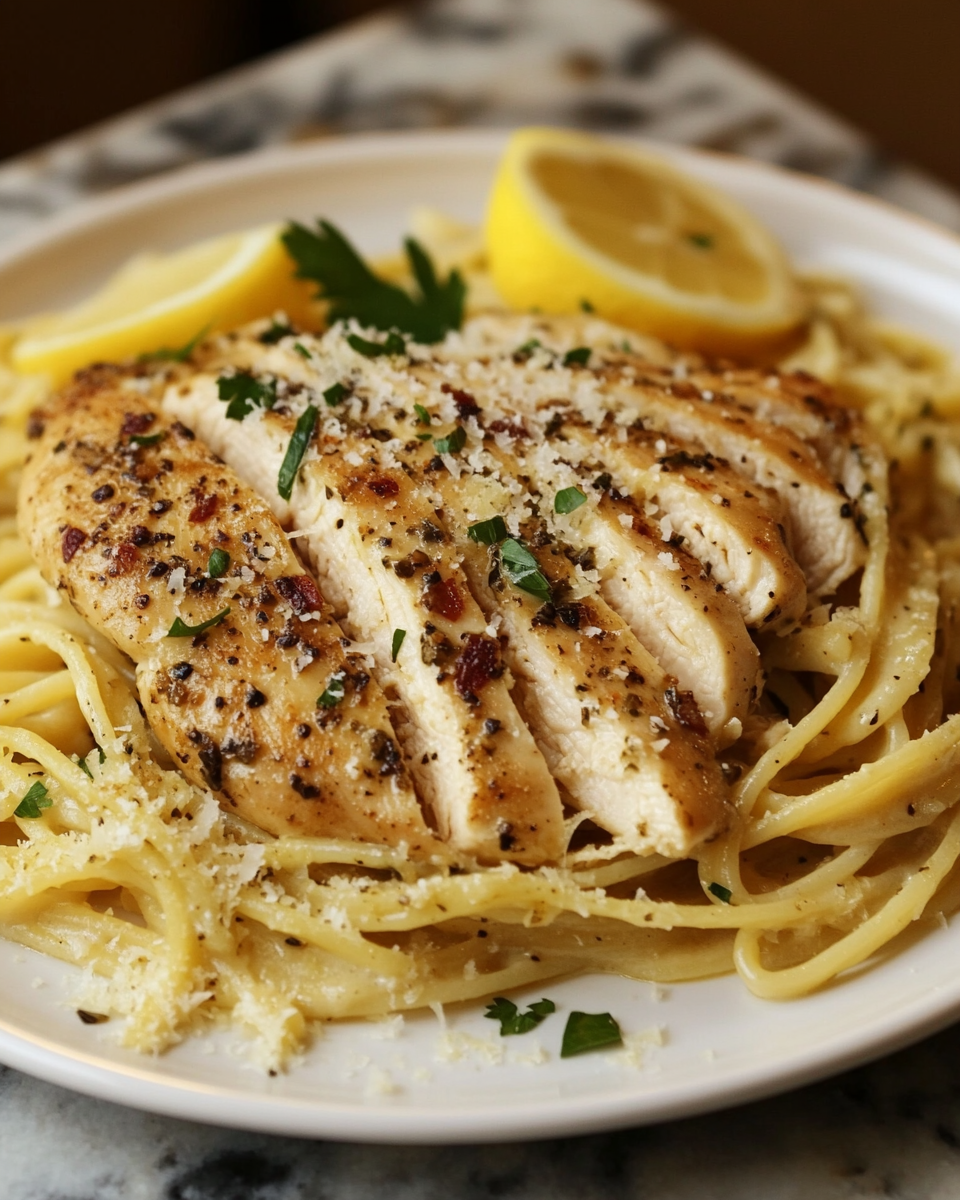
Lemon Herb Chicken Pasta: 5 Simple Cozy Plates

Lemon Herb Chicken Pasta: 5 Simple Cozy Plates

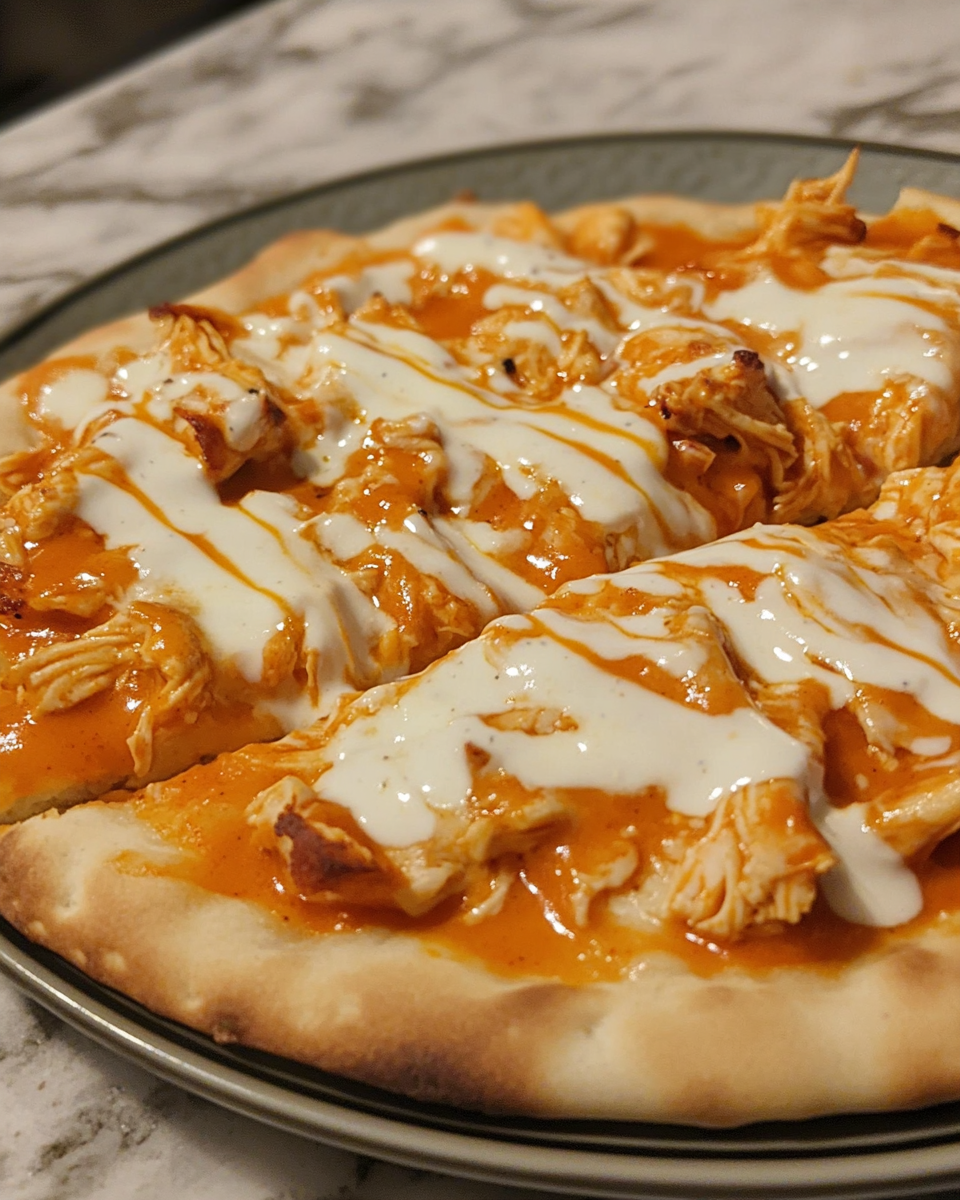
Buffalo Chicken Flatbread: 5 Terrific Cozy Slices

Buffalo Chicken Flatbread: 5 Terrific Cozy Slices

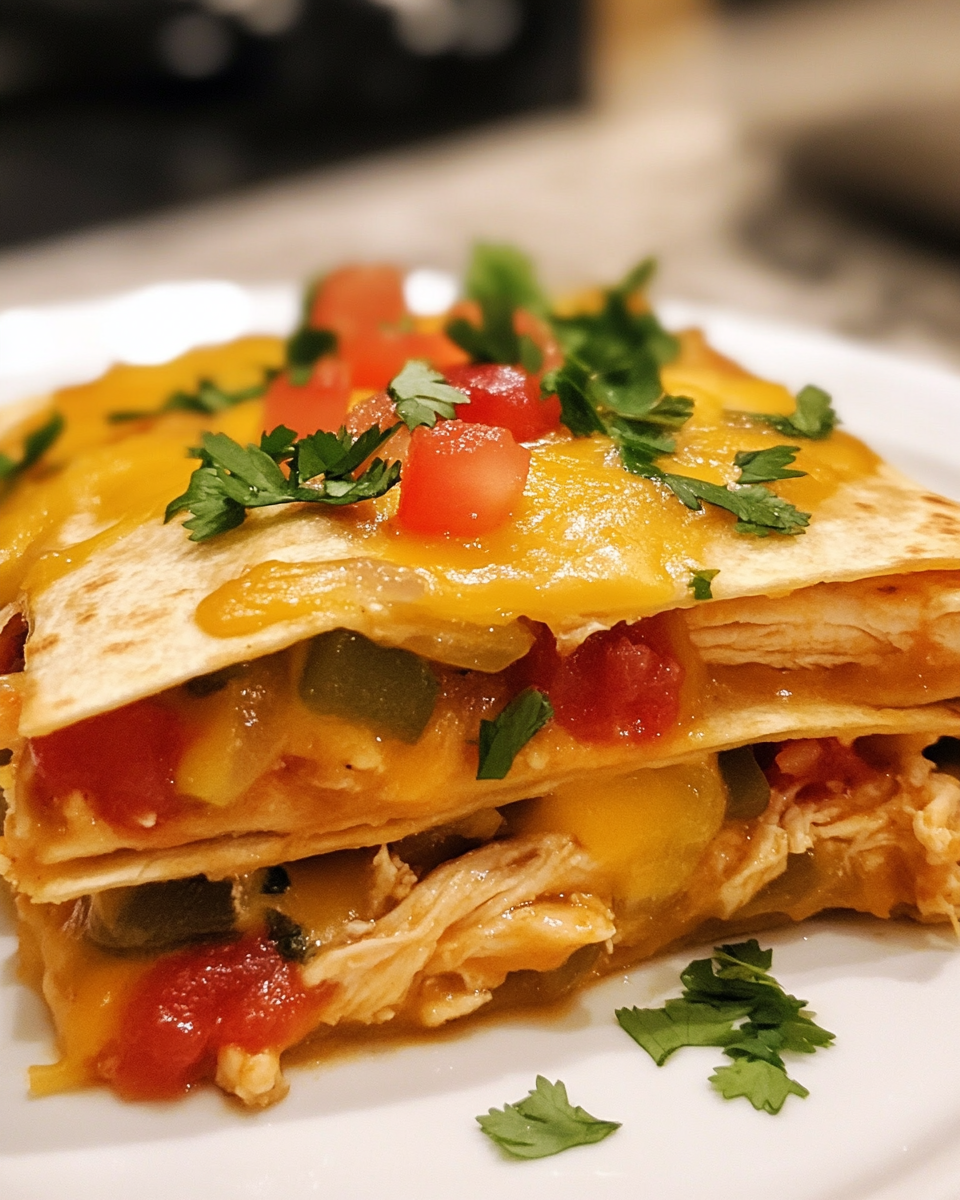
Chicken Quesadilla Bake: 5 Simple Cozy Layers

Chicken Quesadilla Bake: 5 Simple Cozy Layers

Tags:

You might also like these recipes

Leave a Comment