Freezer Friendly Chicken Noodle Soup 7 Easy Cozy Recipe

Posted on

Uncategorized

Difficulty

Prep time

Cooking time

Total time

Servings

A Freezer Friendly Chicken Noodle Soup 7 Easy Cozy Recipe

A bowl of freezer friendly chicken noodle soup offers gentle warmth and steady comfort during busy weeks. This preparation focuses on simple cooking steps, balanced seasoning, and ingredients that hold structure after freezing and reheating.

Chicken noodle soup designed for freezer storage requires careful selection of broth, vegetables, and noodles. Each component plays a role in maintaining texture after chilling and reheating cycles. The result is a practical meal solution for batch preparation and later use.

The following method focuses on clear preparation stages, ingredient stability, and reliable flavor development without complicated techniques or specialty equipment.

Ingredients Overview

Chicken forms the base protein in this soup, providing structure and a mild savory foundation. Boneless chicken breast or thigh cuts are commonly used due to their ability to remain tender after simmering and freezing. Thigh meat offers slightly richer flavor and remains moist after reheating.

Carrots, celery, and onion form the aromatic base. These vegetables release subtle sweetness during cooking and maintain integrity when stored in the freezer. Cutting them into uniform pieces supports even cooking and consistent texture.

Egg noodles are traditionally used for chicken noodle soup. For freezer preparation, noodles are often cooked separately to prevent softening during storage. When added before serving, they retain firmness and absorb broth flavor effectively.

Garlic and dried herbs such as thyme and parsley provide depth without overpowering the broth. These seasonings hold up well under freezing conditions and maintain aromatic balance.

Chicken broth is the primary liquid component. A low-sodium version allows control over seasoning intensity. The broth carries flavor from vegetables and chicken, creating a unified base.

Olive oil supports sautéing the aromatic vegetables, helping release flavor compounds before simmering begins. Salt and black pepper provide final seasoning adjustment before serving.

This combination of ingredients creates a stable soup suitable for batch preparation and long-term storage while maintaining flavor clarity after reheating.

Ingredients

2 pounds boneless chicken breast or chicken thighs
8 cups chicken broth, low sodium
2 large carrots, sliced
2 celery stalks, sliced
1 medium yellow onion, diced
3 garlic cloves, minced
2 tablespoons olive oil
1 teaspoon dried thyme
1 teaspoon dried parsley
1 bay leaf
Salt, adjusted to preference
Black pepper, adjusted to preference
3 cups egg noodles, cooked separately before serving

Step-by-Step Instructions

Olive oil is heated in a large soup pot over medium heat. Onion, carrot, and celery are added and stirred for several minutes until softened slightly. This stage develops a mild aromatic base for the broth.

Garlic is added next and stirred briefly to release fragrance without browning. Dried thyme, parsley, and bay leaf are incorporated at this stage to infuse the oil with herbal notes.

Chicken pieces are placed into the pot and lightly coated with the aromatic mixture. Chicken broth is poured in gradually until ingredients are fully covered. Heat is increased until a gentle boil forms, then reduced to a steady simmer.

During simmering, foam may appear on the surface and can be removed for a clearer broth. Chicken cooks slowly until fully tender and easy to separate. This stage typically requires steady heat rather than rapid boiling.

Once chicken reaches full doneness, it is removed from the pot and shredded using two forks. Shredded pieces are returned to the broth and stirred evenly.

Seasoning is adjusted using salt and black pepper. The soup base is then cooled completely before freezing. Cooling prevents texture changes and supports better storage quality.

Egg noodles are cooked separately in salted water until firm. After draining, noodles are stored apart from the soup base to maintain structure during freezing.

For storage, soup base is transferred into sealed containers. When ready for serving, soup is reheated gently on the stove until fully hot. Cooked noodles are added at the final stage before serving.

Tips, Variations & Substitutions

Chicken thighs may replace chicken breast for a slightly richer flavor profile. Both options maintain structure after freezing, though thighs retain moisture more effectively.

Vegetable additions such as peas, green beans, or spinach can be included after reheating to maintain color and texture. These additions should not be frozen with the broth base to avoid softening.

Rice or small pasta shapes may replace egg noodles. When using these alternatives, separate cooking remains important for maintaining texture after freezing.

Herb variations such as rosemary or oregano can be added in small amounts for different aromatic profiles. Care should be taken to avoid overpowering the broth base.

Low-sodium broth allows adjustment of salt levels after reheating, which supports flavor control after storage.

Serving Ideas & Occasions

This soup pairs well with crusty bread, soft rolls, or simple crackers. These additions provide texture contrast to the broth-based dish.

It is commonly served during cooler seasons or prepared in batches for weekly meal planning. The freezer-friendly nature supports preparation ahead of busy schedules.

Light side salads with mild dressings complement the warm broth without overpowering its flavor. Herbal teas or warm water with lemon can accompany serving for a simple meal setting.

Nutritional & Health Notes

Chicken noodle soup provides protein from chicken and carbohydrates from noodles, creating a balanced meal structure. Vegetables contribute fiber and small amounts of vitamins and minerals.

Using low-sodium broth allows better control over sodium intake. Lean chicken breast reduces fat content, while chicken thighs increase richness and calorie density.

Carrots and celery contribute plant-based nutrients and fiber. Garlic and herbs add flavor without significant caloric impact.

This soup fits into general balanced eating patterns when portion sizes and seasoning levels are adjusted according to dietary preferences.

FAQs

Can chicken noodle soup be frozen with noodles inside?

Freezing soup with noodles already mixed in often leads to softened texture after reheating. Egg noodles absorb liquid during storage and lose firmness. For best structure, noodles are cooked separately and added after reheating the broth base. This approach maintains clearer broth and firmer pasta consistency.

What type of chicken works best for freezer soup?

Boneless chicken breast and chicken thighs both work well. Chicken breast offers a lean texture, while thighs provide a richer flavor and remain moist after reheating. Both options withstand freezing without major texture loss when cooked gently in broth.

How long can freezer chicken noodle soup be stored?

Properly sealed soup base can remain in a freezer for several months while maintaining flavor and texture quality. Storage containers should be airtight to prevent freezer exposure. Noodles should be stored separately for best results during reheating.

Can vegetables be frozen inside the soup?

Carrots, celery, and onion freeze well within soup broth and retain acceptable texture after reheating. Softer vegetables such as zucchini or spinach are better added after reheating to prevent breakdown during freezing cycles.

What is the best method for reheating frozen soup?

Frozen soup base should be thawed in a refrigerator or heated directly over low to medium stove heat. Gentle heating helps maintain broth clarity and prevents overcooking of chicken pieces. Stirring occasionally supports even warming throughout.

Can rice replace noodles in this soup?

Rice can replace noodles and works well in freezer-friendly preparation when cooked separately. Adding cooked rice after reheating preserves grain structure and prevents excessive absorption of broth during storage.

How can flavor be adjusted after freezing?

Flavor can be adjusted after reheating using salt, black pepper, or small amounts of dried herbs. Broth concentration may shift during freezing, so final seasoning adjustment helps restore balance before serving.

[rank_math_breadcrumb]

Freezer Friendly Chicken Noodle Soup 7 Easy Cozy Recipe

Photo of author
Author: Mia
Published:

A Freezer Friendly Chicken Noodle Soup 7 Easy Cozy Recipe

A bowl of freezer friendly chicken noodle soup offers gentle warmth and steady comfort during busy weeks. This preparation focuses on simple cooking steps, balanced seasoning, and ingredients that hold structure after freezing and reheating.

Chicken noodle soup designed for freezer storage requires careful selection of broth, vegetables, and noodles. Each component plays a role in maintaining texture after chilling and reheating cycles. The result is a practical meal solution for batch preparation and later use.

The following method focuses on clear preparation stages, ingredient stability, and reliable flavor development without complicated techniques or specialty equipment.

Ingredients Overview

Chicken forms the base protein in this soup, providing structure and a mild savory foundation. Boneless chicken breast or thigh cuts are commonly used due to their ability to remain tender after simmering and freezing. Thigh meat offers slightly richer flavor and remains moist after reheating.

Carrots, celery, and onion form the aromatic base. These vegetables release subtle sweetness during cooking and maintain integrity when stored in the freezer. Cutting them into uniform pieces supports even cooking and consistent texture.

Egg noodles are traditionally used for chicken noodle soup. For freezer preparation, noodles are often cooked separately to prevent softening during storage. When added before serving, they retain firmness and absorb broth flavor effectively.

Garlic and dried herbs such as thyme and parsley provide depth without overpowering the broth. These seasonings hold up well under freezing conditions and maintain aromatic balance.

Chicken broth is the primary liquid component. A low-sodium version allows control over seasoning intensity. The broth carries flavor from vegetables and chicken, creating a unified base.

Olive oil supports sautéing the aromatic vegetables, helping release flavor compounds before simmering begins. Salt and black pepper provide final seasoning adjustment before serving.

This combination of ingredients creates a stable soup suitable for batch preparation and long-term storage while maintaining flavor clarity after reheating.

Ingredients

2 pounds boneless chicken breast or chicken thighs
8 cups chicken broth, low sodium
2 large carrots, sliced
2 celery stalks, sliced
1 medium yellow onion, diced
3 garlic cloves, minced
2 tablespoons olive oil
1 teaspoon dried thyme
1 teaspoon dried parsley
1 bay leaf
Salt, adjusted to preference
Black pepper, adjusted to preference
3 cups egg noodles, cooked separately before serving

Step-by-Step Instructions

Olive oil is heated in a large soup pot over medium heat. Onion, carrot, and celery are added and stirred for several minutes until softened slightly. This stage develops a mild aromatic base for the broth.

Garlic is added next and stirred briefly to release fragrance without browning. Dried thyme, parsley, and bay leaf are incorporated at this stage to infuse the oil with herbal notes.

Chicken pieces are placed into the pot and lightly coated with the aromatic mixture. Chicken broth is poured in gradually until ingredients are fully covered. Heat is increased until a gentle boil forms, then reduced to a steady simmer.

During simmering, foam may appear on the surface and can be removed for a clearer broth. Chicken cooks slowly until fully tender and easy to separate. This stage typically requires steady heat rather than rapid boiling.

Once chicken reaches full doneness, it is removed from the pot and shredded using two forks. Shredded pieces are returned to the broth and stirred evenly.

Seasoning is adjusted using salt and black pepper. The soup base is then cooled completely before freezing. Cooling prevents texture changes and supports better storage quality.

Egg noodles are cooked separately in salted water until firm. After draining, noodles are stored apart from the soup base to maintain structure during freezing.

For storage, soup base is transferred into sealed containers. When ready for serving, soup is reheated gently on the stove until fully hot. Cooked noodles are added at the final stage before serving.

Tips, Variations & Substitutions

Chicken thighs may replace chicken breast for a slightly richer flavor profile. Both options maintain structure after freezing, though thighs retain moisture more effectively.

Vegetable additions such as peas, green beans, or spinach can be included after reheating to maintain color and texture. These additions should not be frozen with the broth base to avoid softening.

Rice or small pasta shapes may replace egg noodles. When using these alternatives, separate cooking remains important for maintaining texture after freezing.

Herb variations such as rosemary or oregano can be added in small amounts for different aromatic profiles. Care should be taken to avoid overpowering the broth base.

Low-sodium broth allows adjustment of salt levels after reheating, which supports flavor control after storage.

Serving Ideas & Occasions

This soup pairs well with crusty bread, soft rolls, or simple crackers. These additions provide texture contrast to the broth-based dish.

It is commonly served during cooler seasons or prepared in batches for weekly meal planning. The freezer-friendly nature supports preparation ahead of busy schedules.

Light side salads with mild dressings complement the warm broth without overpowering its flavor. Herbal teas or warm water with lemon can accompany serving for a simple meal setting.

Nutritional & Health Notes

Chicken noodle soup provides protein from chicken and carbohydrates from noodles, creating a balanced meal structure. Vegetables contribute fiber and small amounts of vitamins and minerals.

Using low-sodium broth allows better control over sodium intake. Lean chicken breast reduces fat content, while chicken thighs increase richness and calorie density.

Carrots and celery contribute plant-based nutrients and fiber. Garlic and herbs add flavor without significant caloric impact.

This soup fits into general balanced eating patterns when portion sizes and seasoning levels are adjusted according to dietary preferences.

FAQs

Can chicken noodle soup be frozen with noodles inside?

Freezing soup with noodles already mixed in often leads to softened texture after reheating. Egg noodles absorb liquid during storage and lose firmness. For best structure, noodles are cooked separately and added after reheating the broth base. This approach maintains clearer broth and firmer pasta consistency.

What type of chicken works best for freezer soup?

Boneless chicken breast and chicken thighs both work well. Chicken breast offers a lean texture, while thighs provide a richer flavor and remain moist after reheating. Both options withstand freezing without major texture loss when cooked gently in broth.

How long can freezer chicken noodle soup be stored?

Properly sealed soup base can remain in a freezer for several months while maintaining flavor and texture quality. Storage containers should be airtight to prevent freezer exposure. Noodles should be stored separately for best results during reheating.

Can vegetables be frozen inside the soup?

Carrots, celery, and onion freeze well within soup broth and retain acceptable texture after reheating. Softer vegetables such as zucchini or spinach are better added after reheating to prevent breakdown during freezing cycles.

What is the best method for reheating frozen soup?

Frozen soup base should be thawed in a refrigerator or heated directly over low to medium stove heat. Gentle heating helps maintain broth clarity and prevents overcooking of chicken pieces. Stirring occasionally supports even warming throughout.

Can rice replace noodles in this soup?

Rice can replace noodles and works well in freezer-friendly preparation when cooked separately. Adding cooked rice after reheating preserves grain structure and prevents excessive absorption of broth during storage.

How can flavor be adjusted after freezing?

Flavor can be adjusted after reheating using salt, black pepper, or small amounts of dried herbs. Broth concentration may shift during freezing, so final seasoning adjustment helps restore balance before serving.
Name

Lorem ipsum dolor sit amet, consectetur adipiscing elit. Suspendisse varius enim in eros elementum tristique. Duis cursus, mi quis viverra ornare, eros dolor interdum nulla, ut commodo diam libero vitae erat.

You Might Also Like...

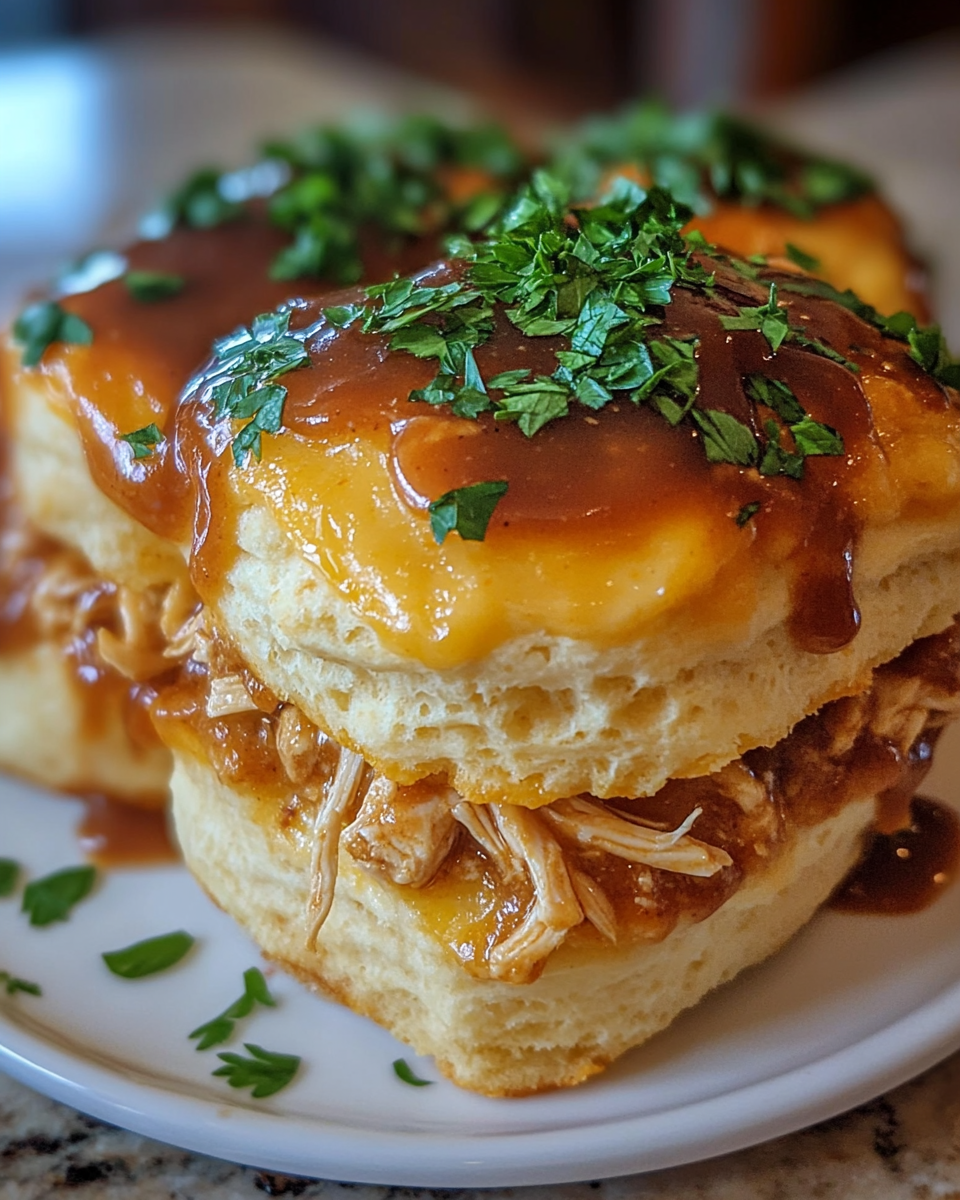
BBQ Chicken Biscuit Casserole: 7 Amazing Cozy Flavors

BBQ Chicken Biscuit Casserole: 7 Amazing Cozy Flavors

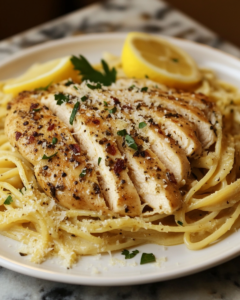
Lemon Herb Chicken Pasta: 5 Simple Cozy Plates

Lemon Herb Chicken Pasta: 5 Simple Cozy Plates

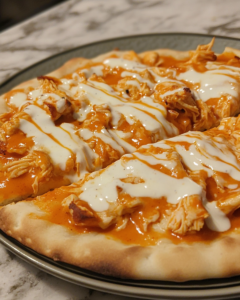
Buffalo Chicken Flatbread: 5 Terrific Cozy Slices

Buffalo Chicken Flatbread: 5 Terrific Cozy Slices

Chicken Quesadilla Bake: 5 Simple Cozy Layers

Chicken Quesadilla Bake: 5 Simple Cozy Layers

Tags:

You might also like these recipes

Leave a Comment