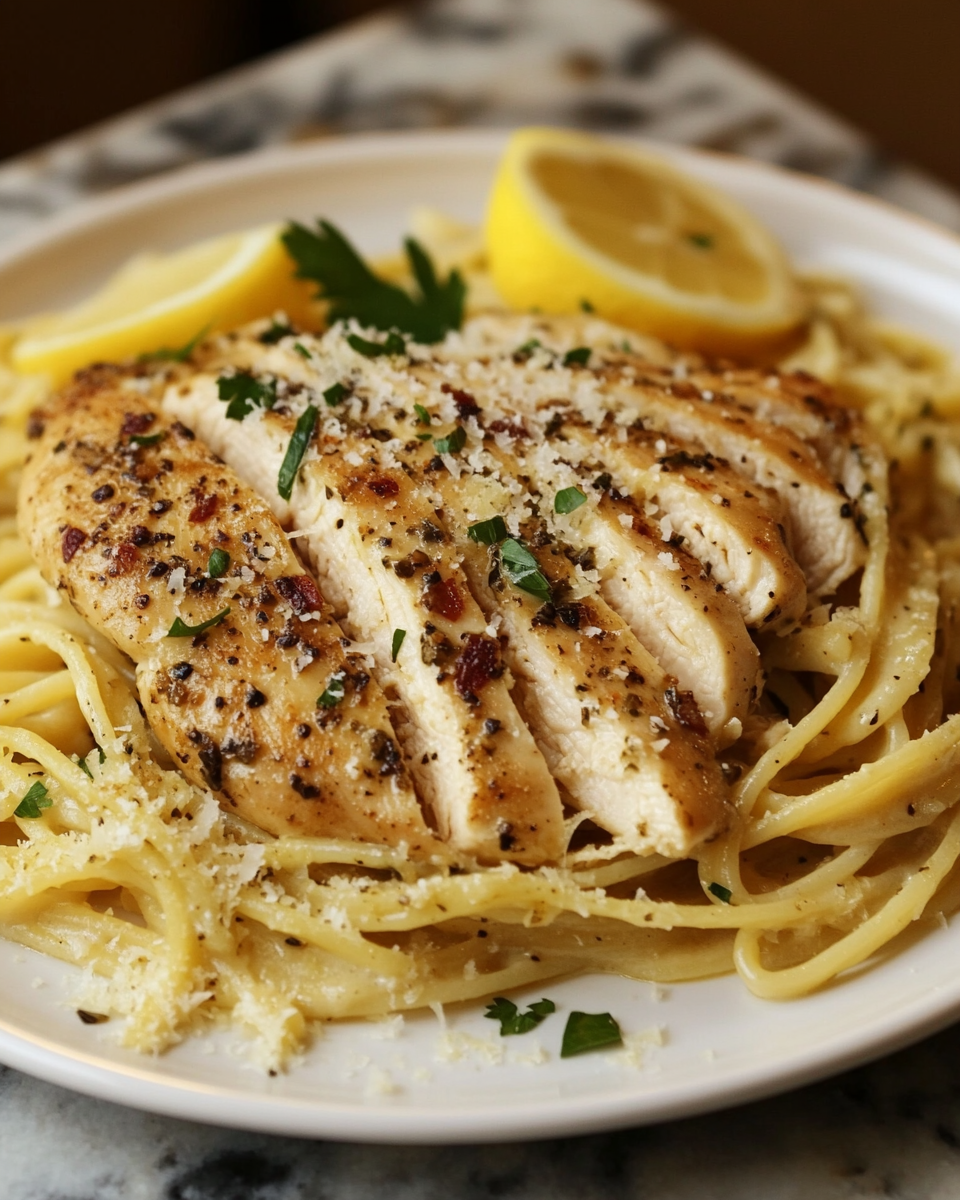
Chicken Broccoli Alfredo Skillet brings together tender chicken, fresh broccoli, pasta, and a rich Alfredo sauce in one pan. The creamy texture coats every bite, while garlic and Parmesan bring deep savory flavor. This dinner works well during busy weeknights since the entire dish comes together without a sink full of cookware.
The balance of protein, vegetables, and pasta gives this skillet meal a hearty feel without becoming too heavy. Broccoli adds freshness and slight crunch beside the velvety sauce, while chicken keeps the dish filling and satisfying. A warm skillet of Chicken Broccoli Alfredo Skillet also reheats nicely for lunch the next day, which adds practical value for families and meal prep.
Ingredients Overview

The heart of Chicken Broccoli Alfredo Skillet comes from a small group of pantry and refrigerator staples working together in one pan. Boneless skinless chicken breasts bring lean protein and soak up the creamy Alfredo sauce during cooking. Chicken thighs also work well if a richer texture is preferred. Both cuts stay tender when cooked over medium heat without overcooking.
Broccoli adds freshness, color, and slight bite to the creamy sauce. Fresh broccoli florets hold their texture well, though frozen broccoli can work during busy evenings. If using frozen broccoli, thawing and draining first helps avoid excess water in the skillet.
Penne pasta works nicely because the ridges catch the sauce, though rotini or rigatoni also fit this dish well. Cooking the pasta just until al dente keeps it from becoming overly soft after combining with the sauce.
Heavy cream and Parmesan create the Alfredo base. Freshly grated Parmesan melts smoothly and gives the sauce a nutty flavor. Pre-shredded cheese may create a grainy texture since anti-caking agents sometimes prevent smooth melting.
Garlic and butter build savory depth throughout the skillet. A small amount of chicken broth loosens the sauce while adding extra flavor. Italian seasoning brings gentle herb notes without overpowering the creamy sauce.
For lighter versions, half-and-half can replace part of the cream, though the sauce may become slightly thinner. Gluten-free pasta also works well, though careful timing helps prevent overly soft noodles.
Ingredients
2 boneless skinless chicken breasts, cut into bite-sized pieces
1 teaspoon salt
1/2 teaspoon black pepper
1 teaspoon Italian seasoning
2 tablespoons olive oil
3 tablespoons butter
4 cloves garlic, minced
3 cups broccoli florets
8 ounces penne pasta
2 cups chicken broth
1 1/2 cups heavy cream
1 1/4 cups freshly grated Parmesan cheese
1/4 teaspoon crushed red pepper flakes
1 tablespoon chopped parsley
Step-by-Step Instructions

Bring a large pot of salted water to a boil. Cook the penne until slightly firm in the center according to package timing. During the final two minutes of cooking, add the broccoli florets directly into the pasta water. Drain both together and set aside.
Season the chicken pieces with salt, black pepper, and Italian seasoning. Heat olive oil in a large deep skillet over medium heat. Add the chicken in a single layer and cook for about 5 to 7 minutes, stirring occasionally, until lightly golden and fully cooked. The internal temperature should reach 165 degrees Fahrenheit. Transfer the chicken to a plate.
Reduce the heat slightly and add butter to the skillet. Once melted, stir in the garlic and cook for about 30 seconds. Garlic cooks quickly, so stirring constantly helps prevent burning. Burned garlic can leave the sauce bitter.
Pour in the chicken broth and scrape the skillet gently with a wooden spoon to lift browned bits from the bottom. Those browned pieces carry extra flavor into the sauce. Stir in the heavy cream and bring the mixture to a gentle simmer.
Add the Parmesan cheese gradually while stirring continuously. Slow addition helps the cheese melt smoothly into the cream. If the heat becomes too high, the sauce can separate or turn grainy. Keep the sauce at a soft simmer rather than a rolling boil.
Return the cooked chicken to the skillet along with the drained pasta and broccoli. Toss everything gently until fully coated in the Alfredo sauce. If the mixture looks too thick, add a splash of broth or cream until the texture loosens slightly.
Sprinkle in the crushed red pepper flakes for gentle heat. Taste the sauce and adjust seasoning if needed. A little extra Parmesan can deepen the savory flavor further.
Let the skillet sit for 2 to 3 minutes before serving. During this short resting period, the sauce thickens slightly and clings better to the pasta. Finish with chopped parsley for freshness.
One common mistake comes from overcooking the pasta before adding it to the skillet. Slightly firm pasta holds up better after combining with the sauce. Another issue comes from adding cheese too quickly, which may lead to clumping. Slow stirring gives the smoothest Alfredo texture.
Tips, Variations & Substitutions
Chicken Broccoli Alfredo Skillet adapts well to different ingredients while still keeping its creamy character. Rotisserie chicken works nicely during busy evenings since it cuts down cooking time. Simply shred the cooked chicken and stir it into the sauce near the end.
For extra vegetables, sliced mushrooms, spinach, or peas blend naturally into the Alfredo sauce. Spinach wilts quickly, so adding it during the final few minutes works well. Mushrooms benefit from browning first since that builds savory flavor.
Shrimp can replace chicken for a seafood version. Medium shrimp cook quickly and pair nicely with garlic and Parmesan. Sausage also creates a richer skillet with extra seasoning.
For a lighter sauce, swap part of the heavy cream with milk or half-and-half. The sauce becomes slightly thinner but still creamy. A spoonful of cream cheese can help maintain thickness if desired.
Freshly grated Parmesan gives the smoothest sauce texture. Pre-packaged shredded cheese may not melt as evenly. If the sauce thickens too much after sitting, a splash of warm broth helps loosen it again.
Whole wheat pasta brings extra fiber and a slightly nutty flavor. Gluten-free pasta also works, though careful cooking timing helps maintain texture.
Serving Ideas & Occasions
Chicken Broccoli Alfredo Skillet fits many dinner settings because it feels hearty yet comforting. A simple green salad with light vinaigrette balances the richness of the Alfredo sauce nicely. Garlic bread or warm dinner rolls also pair naturally with the creamy pasta.
For drinks, sparkling water with lemon cuts through the richness well. Iced tea also works nicely beside the savory flavors. During cooler months, this skillet meal pairs nicely with roasted vegetables such as carrots or asparagus.
This dish suits busy weeknights since the full meal comes together in about half an hour. It also works well for casual family dinners or relaxed gatherings with close friends. Since everything cooks in one skillet, cleanup stays manageable even after larger meals.
Leftovers store well for lunch the next day. Reheating slowly over low heat with a splash of milk or broth helps restore the creamy texture.
Nutritional & Health Notes
Chicken Broccoli Alfredo Skillet contains a balanced mix of protein, carbohydrates, and vegetables. Chicken supplies protein that supports fullness, while broccoli adds fiber, vitamin C, and potassium. Pasta contributes carbohydrates that provide energy and help round out the meal.
The Alfredo sauce contains cream, butter, and Parmesan cheese, which create a rich texture along with calcium and fat. Portion size plays an important role since creamy pasta dishes can become filling quickly. Pairing the skillet with lighter side dishes can balance the meal nicely.
Using reduced-fat dairy products lowers the richness slightly while still keeping the sauce creamy. Whole wheat pasta adds additional fiber and may help the dish feel more substantial.
Broccoli brings freshness and color while adding nutritional value without overpowering the creamy flavor. Since the dish includes vegetables, protein, and pasta together, it works well as a complete one-pan dinner.
FAQs
Can I use frozen broccoli in this skillet?
Frozen broccoli works nicely in Chicken Broccoli Alfredo Skillet when fresh broccoli is unavailable. Thawing the broccoli first helps remove extra moisture that could thin the sauce too much. Patting it dry with paper towels also improves texture during cooking. Since frozen broccoli cooks quickly, adding it near the end helps prevent mushy florets. Smaller florets blend especially well with the creamy Alfredo sauce and pasta. While fresh broccoli keeps slightly firmer texture, frozen broccoli still brings flavor and color to the skillet. Many families keep frozen broccoli on hand specifically for quick skillet dinners like this one because it cuts preparation time considerably.
What pasta shapes work well besides penne?
Several pasta varieties pair nicely with Alfredo sauce in this skillet recipe. Rotini holds sauce well because of its spiral shape, while rigatoni catches creamy sauce inside the tubes. Bow tie pasta adds a slightly firmer texture and pleasant appearance in the skillet. Fettuccine also works if a traditional Alfredo presentation is preferred, though shorter pasta shapes often mix more evenly in one-pan meals. Gluten-free pasta can also work successfully with careful cooking timing. Slightly undercooking the pasta before combining with the sauce helps maintain texture and prevents overly soft noodles after everything cooks together.
How should leftovers be stored?
Store leftover Chicken Broccoli Alfredo Skillet in an airtight container in the refrigerator for up to three days. Cream-based sauces tend to thicken after chilling, so reheating slowly works best. A small splash of milk, cream, or chicken broth helps loosen the sauce during reheating. Low heat prevents the dairy from separating or becoming grainy. Microwave reheating also works when done in short intervals with occasional stirring. Freezing is possible, though the Alfredo sauce may separate slightly after thawing because of the dairy content. Freshly prepared Alfredo generally keeps the smoothest texture and flavor.
Can I prepare parts of the recipe ahead of time?
Several steps can be completed ahead for faster dinner preparation. Chicken may be cut and seasoned earlier in the day, while broccoli can also be washed and trimmed ahead of cooking. Parmesan cheese may be grated in advance and refrigerated until needed. Pasta can even be cooked slightly ahead of time and tossed lightly with olive oil to prevent sticking. During busy evenings, these smaller preparation steps save valuable time. The Alfredo sauce itself tastes freshest when prepared shortly before serving since cream sauces tend to thicken as they cool.
Why did my Alfredo sauce turn grainy?
Grainy Alfredo sauce usually comes from excessive heat or adding cheese too quickly. Parmesan melts best over gentle heat while stirred gradually into the cream. Boiling the sauce aggressively can cause separation and uneven texture. Freshly grated Parmesan melts more smoothly than packaged shredded cheese because it lacks anti-caking ingredients. Another helpful step involves removing the skillet briefly from direct heat before stirring in cheese. Slow cooking and steady stirring usually create the smoothest sauce. If the sauce thickens too much, adding a small splash of warm cream or broth may help improve consistency.
Can I add extra seasoning to the skillet?
This recipe adapts well to additional seasoning depending on personal preference. Crushed red pepper flakes add gentle heat without overpowering the creamy Alfredo flavor. Smoked paprika contributes mild depth, while extra garlic creates stronger savory notes. Fresh herbs such as basil or parsley brighten the final dish nicely. Lemon zest can also lighten the richness slightly while adding freshness. Since Parmesan already carries saltiness, tasting the sauce before adding extra salt helps maintain balance. Small seasoning adjustments often allow families to shape the skillet according to their own dinner preferences.
What protein options work besides chicken?
Several proteins pair nicely with broccoli and Alfredo sauce. Shrimp cooks quickly and brings light seafood flavor that blends naturally with garlic and Parmesan. Italian sausage creates a richer skillet with extra seasoning and savory depth. Cooked turkey also works well, particularly for using leftovers after holiday meals. Thin slices of steak may be browned quickly and added into the sauce for a hearty variation. For meatless versions, sautéed mushrooms provide satisfying texture and savory flavor. Each protein creates a slightly different skillet while still keeping the creamy Alfredo character at the center of the meal.