Chicken Rice Bowl with Garlic Sauce 1 Amazing Cozy

Posted on

Uncategorized

Difficulty

Prep time

Cooking time

Total time

Servings

A chicken rice bowl with garlic sauce brings together tender chicken, warm rice, and a rich garlic-forward sauce in one comforting dish that fits both weeknight cooking and meal prep routines. The balance of savory protein, fluffy rice, and a bold sauce makes it a dependable option when a filling homemade meal is needed without complicated steps.

This dish leans on familiar pantry ingredients and straightforward cooking methods. The garlic sauce ties everything together with a smooth, savory finish that coats each bite without overwhelming the other components. It works well for lunch bowls, quick dinners, or packed meals for the next day.

Chicken rice bowls have become popular because they are adaptable and easy to assemble. The garlic sauce in this version adds depth and warmth, turning basic ingredients into a satisfying meal that feels complete on its own.

The process stays simple from start to finish, focusing on building layers of flavor through seasoning, searing, and gentle simmering of the sauce. Each element plays a clear role in the final bowl.

Ingredients Overview

Chicken forms the foundation of this rice bowl, offering protein and a tender bite when cooked correctly. Boneless chicken thighs are often preferred for their juiciness, though chicken breast also works well for a leaner option. Proper seasoning before cooking helps build flavor from the start.

Rice acts as the base and absorbs the garlic sauce beautifully. Long-grain white rice provides a light texture, while jasmine rice adds a subtle aroma that complements the savory elements. Properly cooked rice should remain fluffy, not sticky or overly soft.

Garlic is the key flavor in the sauce, giving it a bold and savory character. Fresh garlic delivers the strongest taste, while pre-minced garlic can be used for convenience. Cooking garlic gently in oil prevents bitterness and allows its natural richness to develop.

The sauce typically includes soy sauce for saltiness and depth, chicken broth for body, and a touch of sweetness to balance the sharp garlic notes. Cornstarch helps thicken the sauce so it coats the chicken and rice evenly.

Aromatics like green onions or onions can be added for additional flavor layers. Optional ingredients such as sesame oil or chili flakes can adjust the profile depending on preference. Each ingredient works together to create a balanced and cohesive bowl.

Ingredients

1 1/2 pounds boneless chicken thighs, cut into bite-sized pieces
2 cups uncooked jasmine rice
4 cups water
2 tablespoons cooking oil
6 cloves garlic, minced
1/4 cup soy sauce
1 cup chicken broth
1 tablespoon brown sugar
1 tablespoon cornstarch
2 tablespoons water (for slurry)
2 green onions, sliced
1/2 teaspoon black pepper
1/2 teaspoon salt
1 teaspoon sesame oil (optional)

Step-by-Step Instructions

Start by rinsing the rice under cold water until the water runs clear. This removes excess starch and helps the rice cook into a fluffy texture. Cook the rice with the measured water according to package instructions or in a rice cooker until fully tender.

While the rice cooks, season the chicken pieces with salt and black pepper. Heat cooking oil in a large skillet over medium-high heat. Add the chicken in a single layer and allow it to sear without constant stirring so it develops a light golden surface.

Once the chicken is browned on all sides and cooked through, remove it from the skillet and set it aside. In the same pan, reduce the heat slightly and add the minced garlic. Stir continuously for a short time until it becomes fragrant, taking care not to burn it.

Pour in the soy sauce, chicken broth, and brown sugar. Stir well to combine and bring the mixture to a gentle simmer. The sauce should begin to take on a deeper color as it heats.

In a small bowl, mix cornstarch with water to form a slurry. Slowly add it to the simmering sauce while stirring. This will thicken the mixture into a smooth consistency that coats the back of a spoon.

Return the cooked chicken to the skillet and stir to coat it evenly in the garlic sauce. Allow it to simmer for a few minutes so the flavors blend together. Add sesame oil if using for a mild nutty aroma.

To serve, spoon cooked rice into bowls and top with the garlic chicken mixture. Sprinkle sliced green onions over the top for freshness. Serve warm while the sauce is glossy and well combined.

Tips, Variations & Substitutions

Chicken thighs can be replaced with chicken breast for a leaner bowl, though cooking time may need slight adjustment to prevent dryness. Cutting the chicken into even pieces helps it cook uniformly and stay tender.

For added vegetables, broccoli, bell peppers, or snap peas can be sautéed and mixed into the sauce. These additions bring color and texture without changing the core flavor profile of the dish.

Brown rice or quinoa can be used instead of white rice for a different base. These options add a slightly firmer texture and pair well with the garlic sauce.

If a stronger garlic flavor is preferred, an extra clove or two can be added. For a milder taste, reduce the garlic slightly and allow it to cook more gently in the pan.

Serving Ideas & Occasions

This chicken rice bowl fits well into lunch or dinner routines and is often used for meal prep due to its reheating quality. It holds its flavor well when stored and warmed later in the week.

It pairs nicely with light sides such as steamed vegetables, cucumber salad, or simple miso soup. These additions keep the meal balanced without overpowering the main dish.

For drinks, plain water, iced tea, or lightly flavored sparkling water complement the savory profile of the bowl. The dish works well for casual family meals or quick solo dinners.

Nutritional & Health Notes

This dish provides a balanced combination of protein, carbohydrates, and fats. Chicken supplies protein for satiety, while rice offers energy through carbohydrates.

Garlic contributes flavor without adding significant calories. Using controlled amounts of oil helps manage fat content while still allowing proper cooking and flavor development.

The sodium level depends on soy sauce usage, so low-sodium versions can be selected if desired. Adding vegetables increases fiber and micronutrient content, improving overall balance.

Portion sizes can be adjusted based on dietary needs, making this dish flexible for different eating styles.

FAQs

Can I use chicken breast instead of chicken thighs?

Chicken breast can be used in place of thighs for this rice bowl. It provides a leaner protein option and still works well with the garlic sauce. To maintain tenderness, it is important not to overcook the breast pieces. Cooking them just until they are no longer pink in the center helps preserve moisture. Cutting them into even-sized pieces also ensures consistent cooking. The sauce will help keep the chicken flavorful even with the lower fat content.

What type of rice works most effectively for this dish?

Jasmine rice and long-grain white rice both work well in this recipe. Jasmine rice offers a light aroma and soft texture that pairs nicely with the garlic sauce. Long-grain rice stays fluffy and separates easily, making it a good base for bowls. It is important to rinse the rice before cooking to remove excess starch. This step prevents clumping and improves texture. Both options absorb the sauce effectively without becoming overly soft.

Can the garlic sauce be made ahead of time?

The garlic sauce can be prepared in advance and stored in the refrigerator for a short period. When reheating, it may thicken slightly, so adding a small amount of water or broth helps restore its original consistency. Cooking the garlic fresh before combining it with the sauce ingredients provides the strongest flavor, so partial preparation is often preferred. This approach saves time while maintaining taste quality during final assembly.

How can I make the sauce thicker or thinner?

To make the sauce thicker, a small additional amount of cornstarch slurry can be added while it simmers. Stirring continuously helps it blend evenly without forming lumps. For a thinner sauce, adding extra chicken broth or water gradually will loosen the consistency. Adjustments should be made slowly to maintain balance. The goal is a sauce that lightly coats the chicken without pooling excessively at the bottom of the pan.

Is it possible to add vegetables to this bowl?

Vegetables can be added easily to this chicken rice bowl. Common choices include broccoli, bell peppers, carrots, and snap peas. These vegetables can be sautéed in the same pan after the chicken is removed or steamed separately and mixed in later. Adding vegetables increases texture variety and brings color to the dish. It also makes the bowl more filling without changing the core flavor of the garlic sauce.

Can this recipe be stored for later meals?

This dish stores well in airtight containers in the refrigerator. The chicken, rice, and sauce can be kept together or separated depending on preference. When reheating, adding a small splash of water helps maintain moisture in both the rice and sauce. Gentle reheating on the stove or microwave works effectively. The flavors often continue to blend during storage, making it suitable for next-day meals.

What can be used instead of soy sauce?

If soy sauce is not available, alternatives like tamari or coconut aminos can be used. These options provide a similar savory depth while adjusting sodium levels or dietary needs. Each substitute may slightly change the flavor profile, but the garlic sauce will still remain rich and balanced. It is important to taste and adjust seasoning gradually when using substitutes to maintain the intended flavor structure

[rank_math_breadcrumb]

Chicken Rice Bowl with Garlic Sauce 1 Amazing Cozy

Photo of author
Author: Mia
Published:

A chicken rice bowl with garlic sauce brings together tender chicken, warm rice, and a rich garlic-forward sauce in one comforting dish that fits both weeknight cooking and meal prep routines. The balance of savory protein, fluffy rice, and a bold sauce makes it a dependable option when a filling homemade meal is needed without complicated steps.

This dish leans on familiar pantry ingredients and straightforward cooking methods. The garlic sauce ties everything together with a smooth, savory finish that coats each bite without overwhelming the other components. It works well for lunch bowls, quick dinners, or packed meals for the next day.

Chicken rice bowls have become popular because they are adaptable and easy to assemble. The garlic sauce in this version adds depth and warmth, turning basic ingredients into a satisfying meal that feels complete on its own.

The process stays simple from start to finish, focusing on building layers of flavor through seasoning, searing, and gentle simmering of the sauce. Each element plays a clear role in the final bowl.

Ingredients Overview

Chicken forms the foundation of this rice bowl, offering protein and a tender bite when cooked correctly. Boneless chicken thighs are often preferred for their juiciness, though chicken breast also works well for a leaner option. Proper seasoning before cooking helps build flavor from the start.

Rice acts as the base and absorbs the garlic sauce beautifully. Long-grain white rice provides a light texture, while jasmine rice adds a subtle aroma that complements the savory elements. Properly cooked rice should remain fluffy, not sticky or overly soft.

Garlic is the key flavor in the sauce, giving it a bold and savory character. Fresh garlic delivers the strongest taste, while pre-minced garlic can be used for convenience. Cooking garlic gently in oil prevents bitterness and allows its natural richness to develop.

The sauce typically includes soy sauce for saltiness and depth, chicken broth for body, and a touch of sweetness to balance the sharp garlic notes. Cornstarch helps thicken the sauce so it coats the chicken and rice evenly.

Aromatics like green onions or onions can be added for additional flavor layers. Optional ingredients such as sesame oil or chili flakes can adjust the profile depending on preference. Each ingredient works together to create a balanced and cohesive bowl.

Ingredients

1 1/2 pounds boneless chicken thighs, cut into bite-sized pieces
2 cups uncooked jasmine rice
4 cups water
2 tablespoons cooking oil
6 cloves garlic, minced
1/4 cup soy sauce
1 cup chicken broth
1 tablespoon brown sugar
1 tablespoon cornstarch
2 tablespoons water (for slurry)
2 green onions, sliced
1/2 teaspoon black pepper
1/2 teaspoon salt
1 teaspoon sesame oil (optional)

Step-by-Step Instructions

Start by rinsing the rice under cold water until the water runs clear. This removes excess starch and helps the rice cook into a fluffy texture. Cook the rice with the measured water according to package instructions or in a rice cooker until fully tender.

While the rice cooks, season the chicken pieces with salt and black pepper. Heat cooking oil in a large skillet over medium-high heat. Add the chicken in a single layer and allow it to sear without constant stirring so it develops a light golden surface.

Once the chicken is browned on all sides and cooked through, remove it from the skillet and set it aside. In the same pan, reduce the heat slightly and add the minced garlic. Stir continuously for a short time until it becomes fragrant, taking care not to burn it.

Pour in the soy sauce, chicken broth, and brown sugar. Stir well to combine and bring the mixture to a gentle simmer. The sauce should begin to take on a deeper color as it heats.

In a small bowl, mix cornstarch with water to form a slurry. Slowly add it to the simmering sauce while stirring. This will thicken the mixture into a smooth consistency that coats the back of a spoon.

Return the cooked chicken to the skillet and stir to coat it evenly in the garlic sauce. Allow it to simmer for a few minutes so the flavors blend together. Add sesame oil if using for a mild nutty aroma.

To serve, spoon cooked rice into bowls and top with the garlic chicken mixture. Sprinkle sliced green onions over the top for freshness. Serve warm while the sauce is glossy and well combined.

Tips, Variations & Substitutions

Chicken thighs can be replaced with chicken breast for a leaner bowl, though cooking time may need slight adjustment to prevent dryness. Cutting the chicken into even pieces helps it cook uniformly and stay tender.

For added vegetables, broccoli, bell peppers, or snap peas can be sautéed and mixed into the sauce. These additions bring color and texture without changing the core flavor profile of the dish.

Brown rice or quinoa can be used instead of white rice for a different base. These options add a slightly firmer texture and pair well with the garlic sauce.

If a stronger garlic flavor is preferred, an extra clove or two can be added. For a milder taste, reduce the garlic slightly and allow it to cook more gently in the pan.

Serving Ideas & Occasions

This chicken rice bowl fits well into lunch or dinner routines and is often used for meal prep due to its reheating quality. It holds its flavor well when stored and warmed later in the week.

It pairs nicely with light sides such as steamed vegetables, cucumber salad, or simple miso soup. These additions keep the meal balanced without overpowering the main dish.

For drinks, plain water, iced tea, or lightly flavored sparkling water complement the savory profile of the bowl. The dish works well for casual family meals or quick solo dinners.

Nutritional & Health Notes

This dish provides a balanced combination of protein, carbohydrates, and fats. Chicken supplies protein for satiety, while rice offers energy through carbohydrates.

Garlic contributes flavor without adding significant calories. Using controlled amounts of oil helps manage fat content while still allowing proper cooking and flavor development.

The sodium level depends on soy sauce usage, so low-sodium versions can be selected if desired. Adding vegetables increases fiber and micronutrient content, improving overall balance.

Portion sizes can be adjusted based on dietary needs, making this dish flexible for different eating styles.

FAQs

Can I use chicken breast instead of chicken thighs?

Chicken breast can be used in place of thighs for this rice bowl. It provides a leaner protein option and still works well with the garlic sauce. To maintain tenderness, it is important not to overcook the breast pieces. Cooking them just until they are no longer pink in the center helps preserve moisture. Cutting them into even-sized pieces also ensures consistent cooking. The sauce will help keep the chicken flavorful even with the lower fat content.

What type of rice works most effectively for this dish?

Jasmine rice and long-grain white rice both work well in this recipe. Jasmine rice offers a light aroma and soft texture that pairs nicely with the garlic sauce. Long-grain rice stays fluffy and separates easily, making it a good base for bowls. It is important to rinse the rice before cooking to remove excess starch. This step prevents clumping and improves texture. Both options absorb the sauce effectively without becoming overly soft.

Can the garlic sauce be made ahead of time?

The garlic sauce can be prepared in advance and stored in the refrigerator for a short period. When reheating, it may thicken slightly, so adding a small amount of water or broth helps restore its original consistency. Cooking the garlic fresh before combining it with the sauce ingredients provides the strongest flavor, so partial preparation is often preferred. This approach saves time while maintaining taste quality during final assembly.

How can I make the sauce thicker or thinner?

To make the sauce thicker, a small additional amount of cornstarch slurry can be added while it simmers. Stirring continuously helps it blend evenly without forming lumps. For a thinner sauce, adding extra chicken broth or water gradually will loosen the consistency. Adjustments should be made slowly to maintain balance. The goal is a sauce that lightly coats the chicken without pooling excessively at the bottom of the pan.

Is it possible to add vegetables to this bowl?

Vegetables can be added easily to this chicken rice bowl. Common choices include broccoli, bell peppers, carrots, and snap peas. These vegetables can be sautéed in the same pan after the chicken is removed or steamed separately and mixed in later. Adding vegetables increases texture variety and brings color to the dish. It also makes the bowl more filling without changing the core flavor of the garlic sauce.

Can this recipe be stored for later meals?

This dish stores well in airtight containers in the refrigerator. The chicken, rice, and sauce can be kept together or separated depending on preference. When reheating, adding a small splash of water helps maintain moisture in both the rice and sauce. Gentle reheating on the stove or microwave works effectively. The flavors often continue to blend during storage, making it suitable for next-day meals.

What can be used instead of soy sauce?

If soy sauce is not available, alternatives like tamari or coconut aminos can be used. These options provide a similar savory depth while adjusting sodium levels or dietary needs. Each substitute may slightly change the flavor profile, but the garlic sauce will still remain rich and balanced. It is important to taste and adjust seasoning gradually when using substitutes to maintain the intended flavor structure
Name

Lorem ipsum dolor sit amet, consectetur adipiscing elit. Suspendisse varius enim in eros elementum tristique. Duis cursus, mi quis viverra ornare, eros dolor interdum nulla, ut commodo diam libero vitae erat.

You Might Also Like...

BBQ Chicken Biscuit Casserole: 7 Amazing Cozy Flavors

BBQ Chicken Biscuit Casserole: 7 Amazing Cozy Flavors

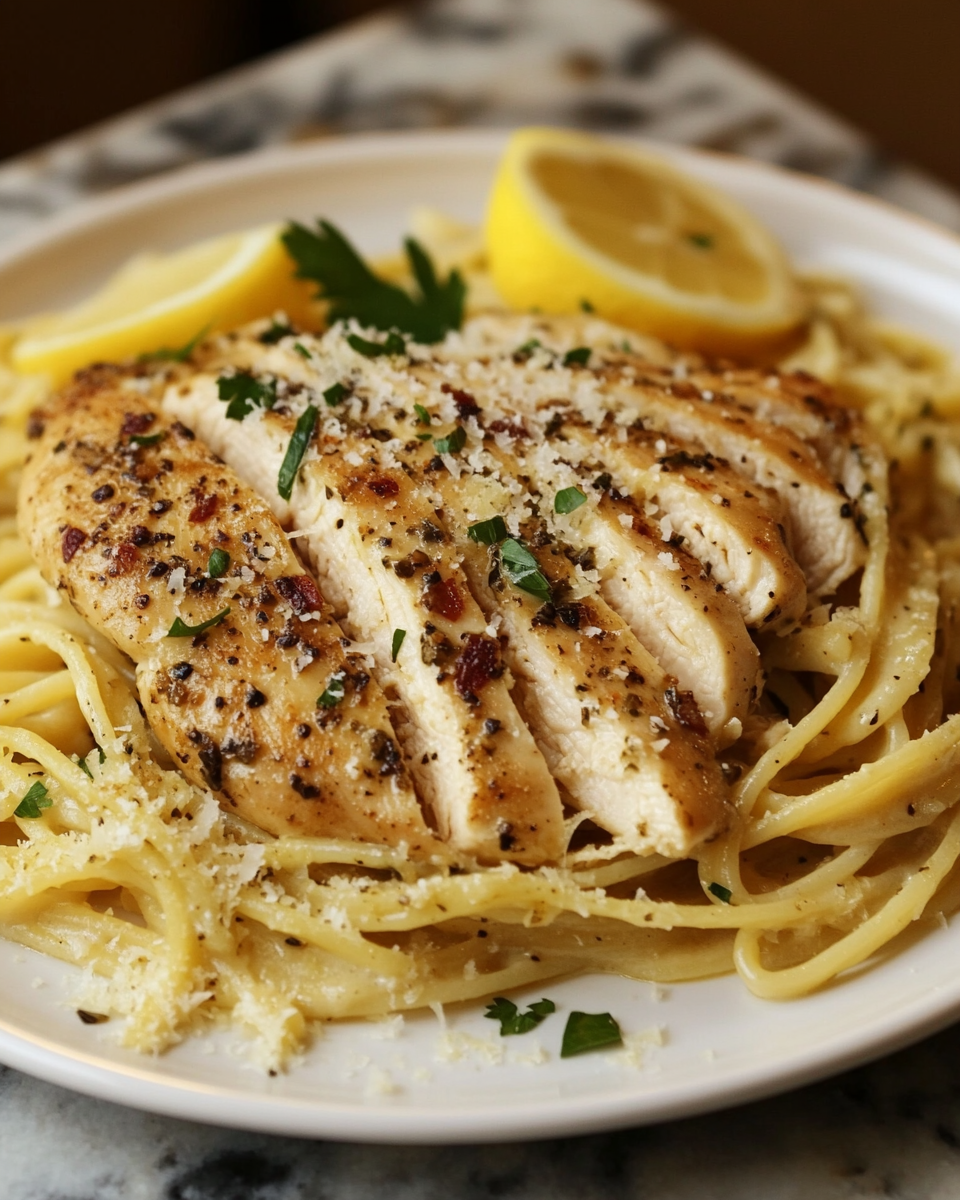
Lemon Herb Chicken Pasta: 5 Simple Cozy Plates

Lemon Herb Chicken Pasta: 5 Simple Cozy Plates

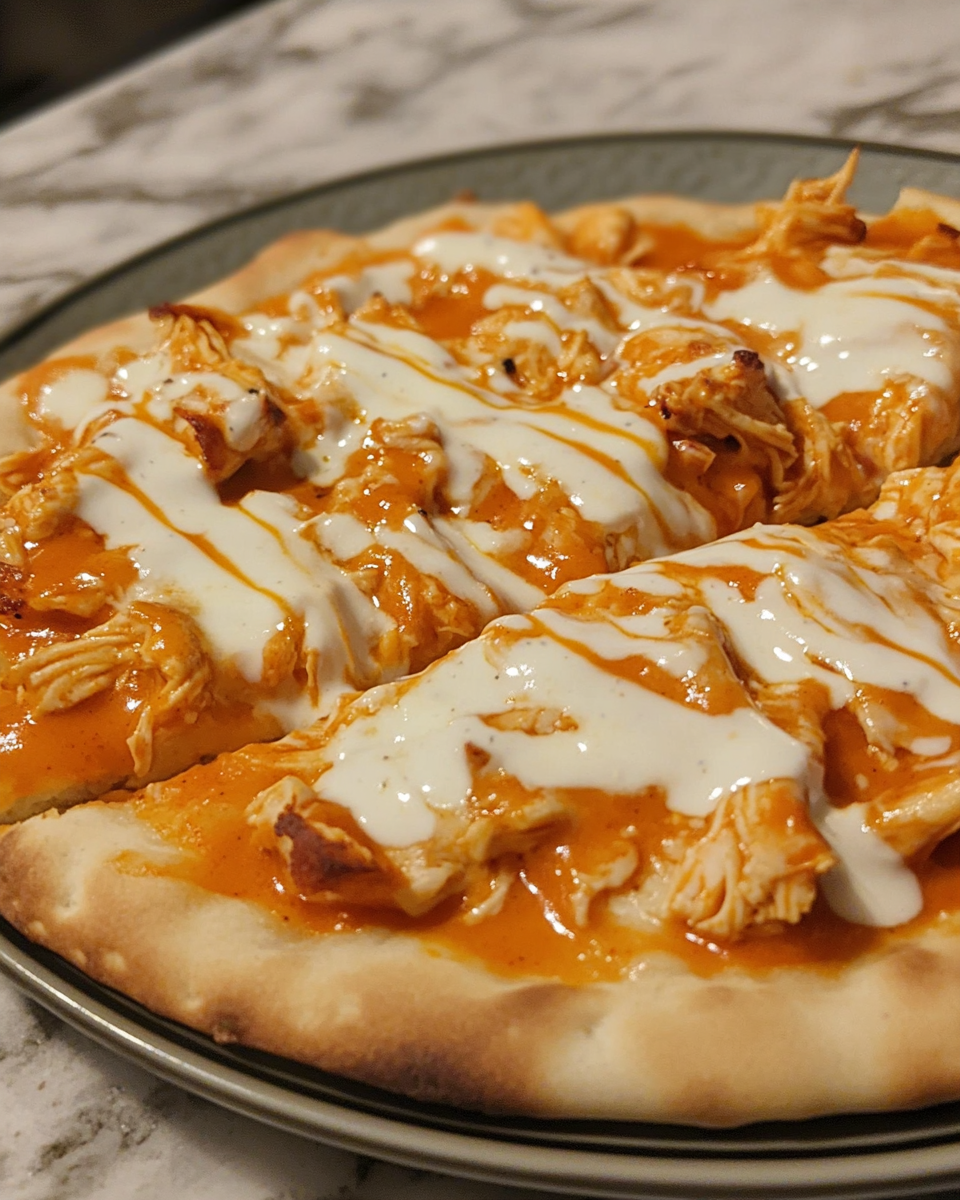
Buffalo Chicken Flatbread: 5 Terrific Cozy Slices

Buffalo Chicken Flatbread: 5 Terrific Cozy Slices

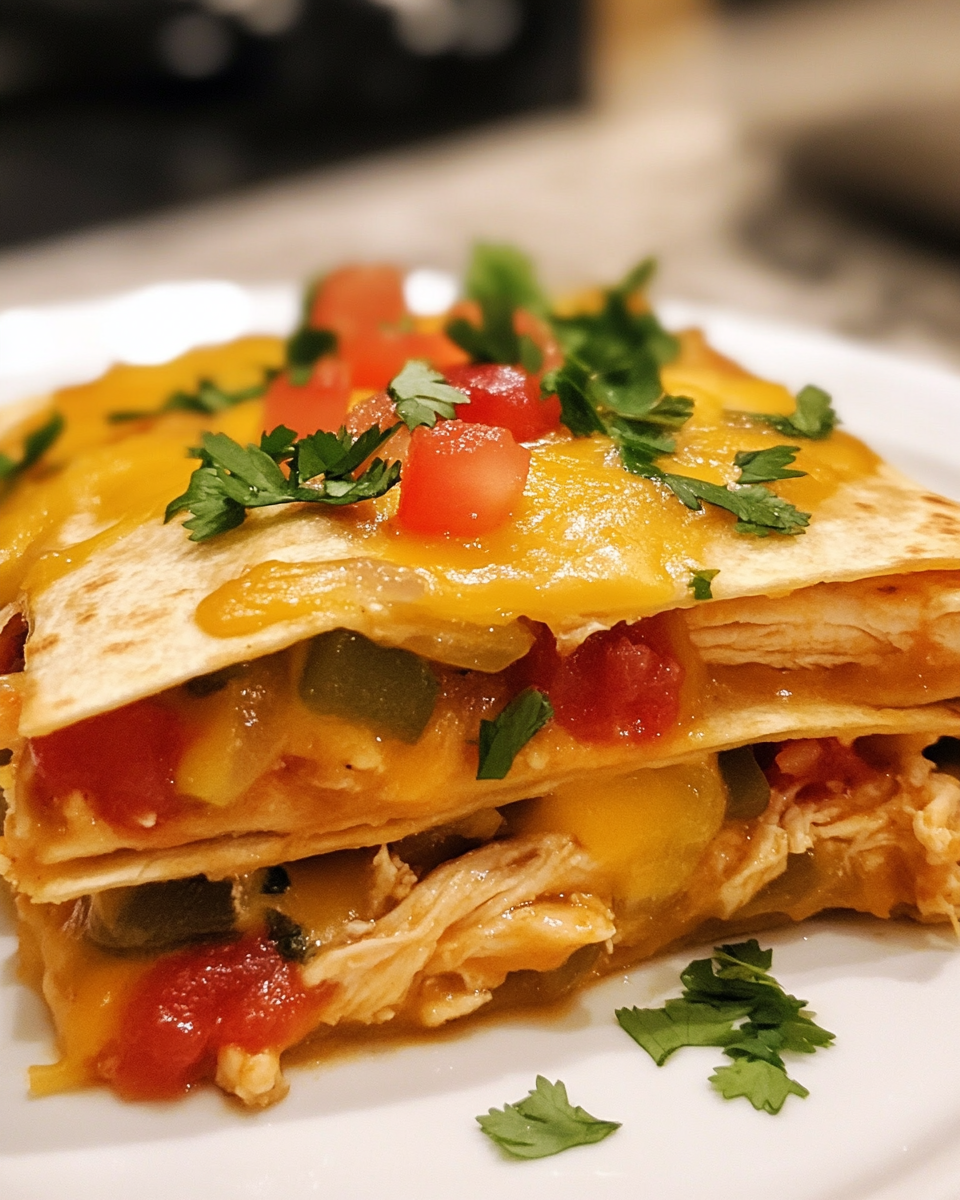
Chicken Quesadilla Bake: 5 Simple Cozy Layers

Chicken Quesadilla Bake: 5 Simple Cozy Layers

Tags:

You might also like these recipes

Leave a Comment