Chicken Stir Fry Rice Bowl (30 Minutes) – 7 Quick Delicious Bowl

Posted on

Uncategorized

Difficulty

Prep time

Cooking time

Total time

Servings

Chicken Stir Fry Rice Bowl (30 Minutes) is a fast, satisfying dish built around tender chicken, crisp vegetables, and fluffy rice tossed in a savory stir fry sauce. It brings together everyday pantry ingredients in a way that feels balanced, colorful, and deeply comforting without requiring complicated steps.

This recipe works well for busy weeknights because everything comes together in one pan after the rice is cooked. The chicken cooks quickly, the vegetables stay slightly crisp, and the sauce ties everything together with a savory, lightly sweet coating that clings to every bite. It is the kind of bowl that feels complete on its own, though it also pairs easily with extra toppings or sides if desired.

The beauty of a stir fry rice bowl lies in timing and texture. High heat keeps the chicken juicy while giving it a light sear, and the vegetables retain their natural bite. The rice acts as a neutral base that absorbs the sauce, turning each spoonful into a mix of flavor and comfort. It is flexible enough to adapt based on what is available in the kitchen, making it a practical choice for everyday cooking.


Ingredients Overview

This Chicken Stir Fry Rice Bowl relies on a balance of protein, vegetables, grains, and sauce to create its signature flavor and texture. Each ingredient plays a specific role, and together they form a cohesive, satisfying meal.

Chicken breast is the main protein, offering a lean and tender bite when sliced thinly and cooked quickly over high heat. Thigh meat can also be used for a richer flavor and slightly juicier texture. The key is to cut the chicken into even pieces so it cooks uniformly.

Rice serves as the foundation of the bowl. Jasmine rice is a popular choice due to its light fragrance and soft texture, but basmati or even brown rice can be used depending on preference. Day-old rice works especially well because it holds its shape and absorbs the sauce without becoming mushy.

Vegetables add color, crunch, and freshness. Bell peppers, broccoli, carrots, and snap peas are common choices because they hold up well during stir frying. They cook quickly while still maintaining a slight bite, which contrasts nicely with the soft rice and chicken.

The sauce is a simple combination of soy sauce, garlic, ginger, and a touch of sweetness from honey or brown sugar. Sesame oil adds depth, while cornstarch helps lightly thicken the sauce so it coats the ingredients evenly.

Aromatics like garlic and ginger form the base of flavor, infusing the oil at the beginning of cooking. Green onions are often added at the end for a fresh finish.

Substitutions are easy. Tamari can replace soy sauce for a gluten-free option. Vegetables can be swapped based on season or availability, such as zucchini, mushrooms, or cabbage. The dish remains flexible while still holding its core identity.


Ingredients

1 pound chicken breast, thinly sliced
2 cups cooked jasmine rice
2 tablespoons soy sauce
1 tablespoon oyster sauce
1 teaspoon sesame oil
1 tablespoon honey
2 cloves garlic, minced
1 teaspoon fresh ginger, grated
1 cup broccoli florets
1 red bell pepper, sliced
1 medium carrot, julienned
1/2 cup snap peas
2 tablespoons vegetable oil
1/4 teaspoon black pepper
1 tablespoon cornstarch mixed with 2 tablespoons water
2 green onions, sliced


Step-by-Step Instructions

Start by preparing all ingredients before cooking begins. Slice the chicken into thin, even strips so it cooks quickly and evenly. Chop vegetables into bite-sized pieces to allow fast stir frying. Having everything ready prevents overcooking and helps maintain the right texture.

Heat one tablespoon of vegetable oil in a large skillet or wok over medium-high heat. Add the chicken in a single layer and let it sear for a couple of minutes before stirring. This helps develop light browning on the surface. Cook until the chicken is fully cooked through, then remove it from the pan and set aside.

Add the remaining oil to the same pan. Stir in garlic and ginger, cooking briefly until fragrant. This step builds the base flavor for the dish, so it should be done quickly to avoid burning.

Add broccoli, carrots, bell pepper, and snap peas. Stir fry for several minutes until the vegetables become tender but still slightly crisp. The high heat keeps their structure intact while allowing them to absorb flavor.

Return the cooked chicken to the pan. Pour in soy sauce, oyster sauce, sesame oil, honey, and black pepper. Stir well so the sauce coats the chicken and vegetables evenly. The mixture should begin to lightly bubble.

Add the cornstarch slurry and continue stirring. The sauce will thicken slightly and cling to the ingredients. This step gives the dish its glossy finish and cohesive texture.

Add the cooked rice directly into the pan. Break up any clumps and stir until the rice is evenly mixed with the chicken, vegetables, and sauce. Each grain should be lightly coated.

Finish with sliced green onions for freshness. Remove from heat and let the bowl rest briefly before serving so the flavors settle into the rice.


Tips, Variations & Substitutions

Cutting chicken into uniform slices helps it cook quickly without drying out. A brief marinade in soy sauce and cornstarch can also improve tenderness. Cooking over medium-high heat is important for achieving the right texture in both chicken and vegetables.

Vegetable choices can be adjusted based on preference or availability. Mushrooms add an earthy note, while zucchini softens the overall texture. Baby corn or cabbage also work well in stir fry combinations.

For extra flavor, a small amount of chili paste or red pepper flakes can be added to the sauce. This introduces gentle heat without overpowering the dish. A splash of rice vinegar can also add light acidity.

Brown rice or quinoa can replace white rice for a more hearty base. While the texture will differ slightly, the overall balance of the bowl remains intact.

Leftovers store well and can be reheated in a skillet with a small splash of water to revive moisture and texture.


Serving Ideas & Occasions

This stir fry rice bowl works well as a standalone meal due to its balance of protein, vegetables, and grains. It is commonly served as a weeknight dinner because of its quick cooking time and minimal cleanup.

It pairs nicely with light sides such as cucumber salad or steamed edamame. A simple miso soup also complements the savory profile of the dish without overwhelming it.

For presentation, the bowl can be topped with sesame seeds or extra green onions for added texture and visual appeal. A soft-boiled egg on top adds richness and turns the dish into a more filling meal.

It also works well for meal prep since the ingredients hold their texture after reheating. Stored in individual containers, it becomes a convenient option for lunch or quick dinners throughout the week.


Nutritional & Health Notes

This Chicken Stir Fry Rice Bowl offers a balanced combination of lean protein, carbohydrates, and vegetables. Chicken provides protein that supports muscle repair and satiety, while rice supplies energy through complex carbohydrates.

The vegetables contribute fiber, vitamins, and minerals that support overall dietary balance. Using a variety of vegetables increases nutrient diversity within the bowl.

The sauce contains sodium from soy sauce, so adjusting the amount can help manage salt intake. Using low-sodium soy sauce is another simple adjustment.

Overall, the dish fits well into a balanced eating pattern when portioned appropriately and paired with fresh vegetables.


FAQs

Can I use chicken thighs instead of chicken breast?

Yes, chicken thighs work very well in this recipe. They contain slightly more fat, which results in a juicier texture and richer flavor. They also remain tender even with high-heat cooking. Simply slice them into similar-sized pieces to maintain even cooking. The cooking time may be slightly longer, but the process remains the same. Many prefer thighs for stir fry dishes because they absorb sauce beautifully and stay moist.

What type of rice works best for this bowl?

Jasmine rice is commonly used because of its soft texture and light aroma. However, basmati rice also works well if you prefer a slightly firmer grain. Day-old rice is especially effective because it holds its shape during stir frying. Freshly cooked rice can be used too, but it should be cooled slightly before adding to the pan to prevent clumping or sogginess.

Can I make this recipe vegetarian?

Yes, the chicken can be replaced with tofu or tempeh. Firm tofu works best because it holds its shape during cooking. It should be pressed to remove excess moisture before slicing and pan-frying. The sauce and vegetables remain the same, keeping the flavor profile intact. Mushrooms can also be added to increase depth and texture in a vegetarian version.

How do I prevent vegetables from becoming too soft?

Cooking over medium-high heat and keeping the vegetables moving in the pan helps maintain their crisp texture. They should be cooked only until tender but still slightly firm. Adding them in stages based on cooking time also helps, with harder vegetables like carrots going in first and softer ones like snap peas added later.

Can I prepare parts of this recipe ahead of time?

Yes, several components can be prepared in advance. The rice can be cooked a day ahead, and vegetables can be chopped and stored in the refrigerator. The chicken can also be sliced and seasoned ahead of time. This makes the cooking process faster and more efficient when it is time to assemble the dish.

What sauces can I add for more flavor?

Additional sauces like hoisin, chili garlic sauce, or a small amount of teriyaki sauce can be added for variation. Each adds a different layer of sweetness, heat, or depth. It is best to add them in small amounts and adjust gradually so the balance of the dish is maintained.

How do I store leftovers?

Leftovers should be stored in an airtight container and kept in the refrigerator. They generally stay fresh for up to three days. When reheating, adding a small splash of water or broth helps restore moisture. A skillet is preferred for reheating because it helps maintain texture better than a microwave.

[rank_math_breadcrumb]

Chicken Stir Fry Rice Bowl (30 Minutes) – 7 Quick Delicious Bowl

Photo of author
Author: Mia
Published:

Chicken Stir Fry Rice Bowl (30 Minutes) is a fast, satisfying dish built around tender chicken, crisp vegetables, and fluffy rice tossed in a savory stir fry sauce. It brings together everyday pantry ingredients in a way that feels balanced, colorful, and deeply comforting without requiring complicated steps.

This recipe works well for busy weeknights because everything comes together in one pan after the rice is cooked. The chicken cooks quickly, the vegetables stay slightly crisp, and the sauce ties everything together with a savory, lightly sweet coating that clings to every bite. It is the kind of bowl that feels complete on its own, though it also pairs easily with extra toppings or sides if desired.

The beauty of a stir fry rice bowl lies in timing and texture. High heat keeps the chicken juicy while giving it a light sear, and the vegetables retain their natural bite. The rice acts as a neutral base that absorbs the sauce, turning each spoonful into a mix of flavor and comfort. It is flexible enough to adapt based on what is available in the kitchen, making it a practical choice for everyday cooking.


Ingredients Overview

This Chicken Stir Fry Rice Bowl relies on a balance of protein, vegetables, grains, and sauce to create its signature flavor and texture. Each ingredient plays a specific role, and together they form a cohesive, satisfying meal.

Chicken breast is the main protein, offering a lean and tender bite when sliced thinly and cooked quickly over high heat. Thigh meat can also be used for a richer flavor and slightly juicier texture. The key is to cut the chicken into even pieces so it cooks uniformly.

Rice serves as the foundation of the bowl. Jasmine rice is a popular choice due to its light fragrance and soft texture, but basmati or even brown rice can be used depending on preference. Day-old rice works especially well because it holds its shape and absorbs the sauce without becoming mushy.

Vegetables add color, crunch, and freshness. Bell peppers, broccoli, carrots, and snap peas are common choices because they hold up well during stir frying. They cook quickly while still maintaining a slight bite, which contrasts nicely with the soft rice and chicken.

The sauce is a simple combination of soy sauce, garlic, ginger, and a touch of sweetness from honey or brown sugar. Sesame oil adds depth, while cornstarch helps lightly thicken the sauce so it coats the ingredients evenly.

Aromatics like garlic and ginger form the base of flavor, infusing the oil at the beginning of cooking. Green onions are often added at the end for a fresh finish.

Substitutions are easy. Tamari can replace soy sauce for a gluten-free option. Vegetables can be swapped based on season or availability, such as zucchini, mushrooms, or cabbage. The dish remains flexible while still holding its core identity.


Ingredients

1 pound chicken breast, thinly sliced
2 cups cooked jasmine rice
2 tablespoons soy sauce
1 tablespoon oyster sauce
1 teaspoon sesame oil
1 tablespoon honey
2 cloves garlic, minced
1 teaspoon fresh ginger, grated
1 cup broccoli florets
1 red bell pepper, sliced
1 medium carrot, julienned
1/2 cup snap peas
2 tablespoons vegetable oil
1/4 teaspoon black pepper
1 tablespoon cornstarch mixed with 2 tablespoons water
2 green onions, sliced


Step-by-Step Instructions

Start by preparing all ingredients before cooking begins. Slice the chicken into thin, even strips so it cooks quickly and evenly. Chop vegetables into bite-sized pieces to allow fast stir frying. Having everything ready prevents overcooking and helps maintain the right texture.

Heat one tablespoon of vegetable oil in a large skillet or wok over medium-high heat. Add the chicken in a single layer and let it sear for a couple of minutes before stirring. This helps develop light browning on the surface. Cook until the chicken is fully cooked through, then remove it from the pan and set aside.

Add the remaining oil to the same pan. Stir in garlic and ginger, cooking briefly until fragrant. This step builds the base flavor for the dish, so it should be done quickly to avoid burning.

Add broccoli, carrots, bell pepper, and snap peas. Stir fry for several minutes until the vegetables become tender but still slightly crisp. The high heat keeps their structure intact while allowing them to absorb flavor.

Return the cooked chicken to the pan. Pour in soy sauce, oyster sauce, sesame oil, honey, and black pepper. Stir well so the sauce coats the chicken and vegetables evenly. The mixture should begin to lightly bubble.

Add the cornstarch slurry and continue stirring. The sauce will thicken slightly and cling to the ingredients. This step gives the dish its glossy finish and cohesive texture.

Add the cooked rice directly into the pan. Break up any clumps and stir until the rice is evenly mixed with the chicken, vegetables, and sauce. Each grain should be lightly coated.

Finish with sliced green onions for freshness. Remove from heat and let the bowl rest briefly before serving so the flavors settle into the rice.


Tips, Variations & Substitutions

Cutting chicken into uniform slices helps it cook quickly without drying out. A brief marinade in soy sauce and cornstarch can also improve tenderness. Cooking over medium-high heat is important for achieving the right texture in both chicken and vegetables.

Vegetable choices can be adjusted based on preference or availability. Mushrooms add an earthy note, while zucchini softens the overall texture. Baby corn or cabbage also work well in stir fry combinations.

For extra flavor, a small amount of chili paste or red pepper flakes can be added to the sauce. This introduces gentle heat without overpowering the dish. A splash of rice vinegar can also add light acidity.

Brown rice or quinoa can replace white rice for a more hearty base. While the texture will differ slightly, the overall balance of the bowl remains intact.

Leftovers store well and can be reheated in a skillet with a small splash of water to revive moisture and texture.


Serving Ideas & Occasions

This stir fry rice bowl works well as a standalone meal due to its balance of protein, vegetables, and grains. It is commonly served as a weeknight dinner because of its quick cooking time and minimal cleanup.

It pairs nicely with light sides such as cucumber salad or steamed edamame. A simple miso soup also complements the savory profile of the dish without overwhelming it.

For presentation, the bowl can be topped with sesame seeds or extra green onions for added texture and visual appeal. A soft-boiled egg on top adds richness and turns the dish into a more filling meal.

It also works well for meal prep since the ingredients hold their texture after reheating. Stored in individual containers, it becomes a convenient option for lunch or quick dinners throughout the week.


Nutritional & Health Notes

This Chicken Stir Fry Rice Bowl offers a balanced combination of lean protein, carbohydrates, and vegetables. Chicken provides protein that supports muscle repair and satiety, while rice supplies energy through complex carbohydrates.

The vegetables contribute fiber, vitamins, and minerals that support overall dietary balance. Using a variety of vegetables increases nutrient diversity within the bowl.

The sauce contains sodium from soy sauce, so adjusting the amount can help manage salt intake. Using low-sodium soy sauce is another simple adjustment.

Overall, the dish fits well into a balanced eating pattern when portioned appropriately and paired with fresh vegetables.


FAQs

Can I use chicken thighs instead of chicken breast?

Yes, chicken thighs work very well in this recipe. They contain slightly more fat, which results in a juicier texture and richer flavor. They also remain tender even with high-heat cooking. Simply slice them into similar-sized pieces to maintain even cooking. The cooking time may be slightly longer, but the process remains the same. Many prefer thighs for stir fry dishes because they absorb sauce beautifully and stay moist.

What type of rice works best for this bowl?

Jasmine rice is commonly used because of its soft texture and light aroma. However, basmati rice also works well if you prefer a slightly firmer grain. Day-old rice is especially effective because it holds its shape during stir frying. Freshly cooked rice can be used too, but it should be cooled slightly before adding to the pan to prevent clumping or sogginess.

Can I make this recipe vegetarian?

Yes, the chicken can be replaced with tofu or tempeh. Firm tofu works best because it holds its shape during cooking. It should be pressed to remove excess moisture before slicing and pan-frying. The sauce and vegetables remain the same, keeping the flavor profile intact. Mushrooms can also be added to increase depth and texture in a vegetarian version.

How do I prevent vegetables from becoming too soft?

Cooking over medium-high heat and keeping the vegetables moving in the pan helps maintain their crisp texture. They should be cooked only until tender but still slightly firm. Adding them in stages based on cooking time also helps, with harder vegetables like carrots going in first and softer ones like snap peas added later.

Can I prepare parts of this recipe ahead of time?

Yes, several components can be prepared in advance. The rice can be cooked a day ahead, and vegetables can be chopped and stored in the refrigerator. The chicken can also be sliced and seasoned ahead of time. This makes the cooking process faster and more efficient when it is time to assemble the dish.

What sauces can I add for more flavor?

Additional sauces like hoisin, chili garlic sauce, or a small amount of teriyaki sauce can be added for variation. Each adds a different layer of sweetness, heat, or depth. It is best to add them in small amounts and adjust gradually so the balance of the dish is maintained.

How do I store leftovers?

Leftovers should be stored in an airtight container and kept in the refrigerator. They generally stay fresh for up to three days. When reheating, adding a small splash of water or broth helps restore moisture. A skillet is preferred for reheating because it helps maintain texture better than a microwave.
Name

Lorem ipsum dolor sit amet, consectetur adipiscing elit. Suspendisse varius enim in eros elementum tristique. Duis cursus, mi quis viverra ornare, eros dolor interdum nulla, ut commodo diam libero vitae erat.

You Might Also Like...

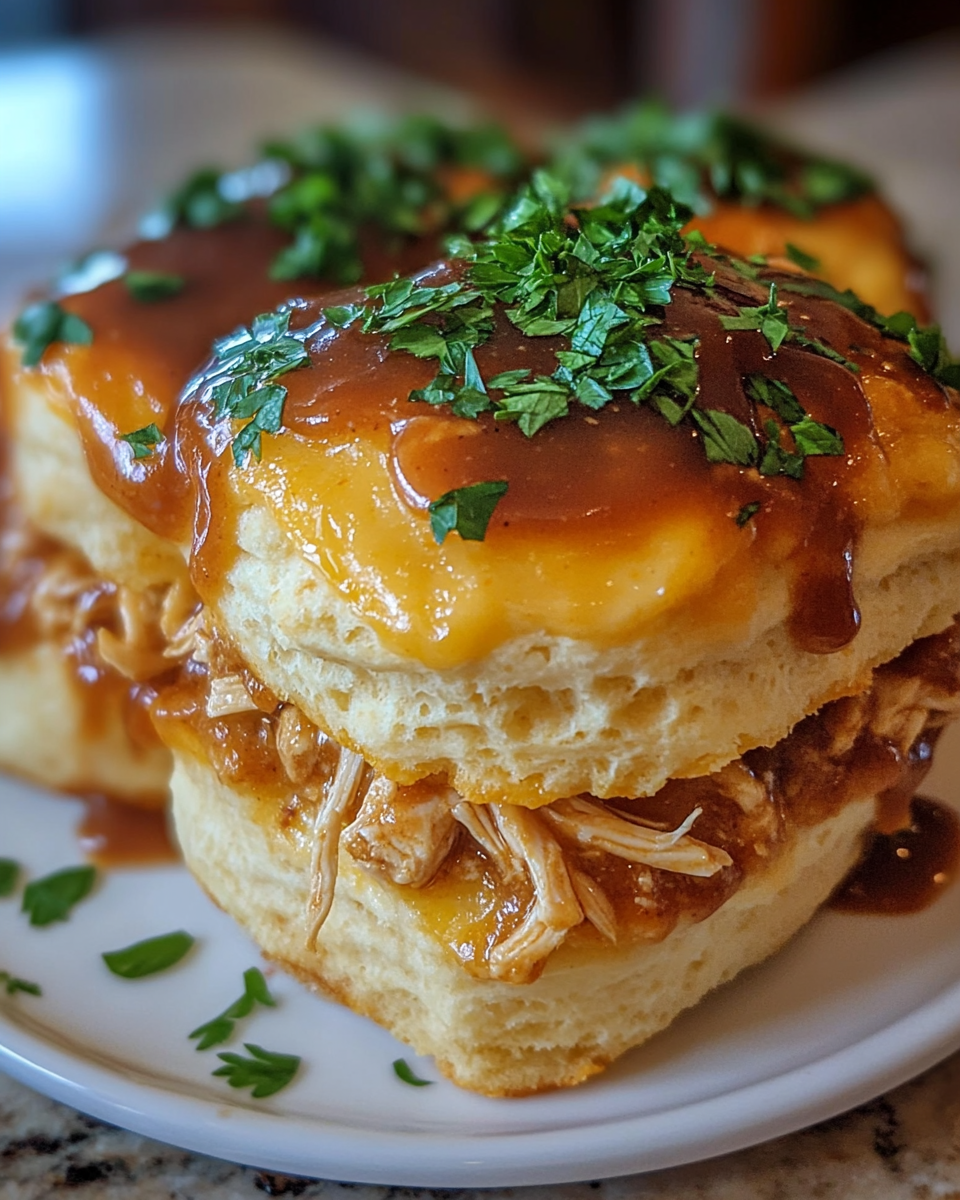
BBQ Chicken Biscuit Casserole: 7 Amazing Cozy Flavors

BBQ Chicken Biscuit Casserole: 7 Amazing Cozy Flavors

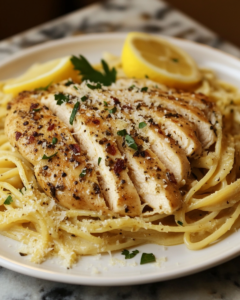
Lemon Herb Chicken Pasta: 5 Simple Cozy Plates

Lemon Herb Chicken Pasta: 5 Simple Cozy Plates

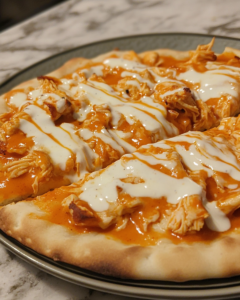
Buffalo Chicken Flatbread: 5 Terrific Cozy Slices

Buffalo Chicken Flatbread: 5 Terrific Cozy Slices

Chicken Quesadilla Bake: 5 Simple Cozy Layers

Chicken Quesadilla Bake: 5 Simple Cozy Layers

Tags:

You might also like these recipes

Leave a Comment