Creamy Chicken Enchilada Rice Skillet 1-Pan Ultimate Cozy

Posted on

Uncategorized

Difficulty

Prep time

Cooking time

Total time

Servings

A creamy chicken enchilada rice skillet brings together tender poultry, richly seasoned enchilada-style sauce, and perfectly cooked rice in a single pan. This dish delivers layered flavor with minimal cleanup, combining pantry staples into a cohesive, hearty meal suitable for busy evenings or relaxed gatherings.

The foundation begins with sautéed poultry pieces that absorb smoky chili, garlic, and tomato notes as they simmer. Rice cooks directly in the sauce, allowing it to absorb seasoning while developing a soft yet structured texture. A creamy component—typically sour cream or cream cheese—blends into the mixture at the end, creating a velvety finish that balances the spice profile.

This preparation style borrows from classic enchilada flavors while removing the need for rolling tortillas or baking layers. Instead, everything comes together in a single skillet, where heat control and timing determine the final consistency. As the rice cooks, it releases starch that thickens the sauce naturally, binding ingredients into a cohesive dish.

Shredded poultry works particularly well because it distributes evenly throughout the skillet, ensuring consistent flavor in every portion. The enchilada seasoning base often includes chili powder, cumin, paprika, and tomato paste or sauce, creating a warm, aromatic profile without overwhelming heat.

This skillet dish is especially practical for home cooking because it relies on accessible ingredients and straightforward techniques. The final result is creamy, savory, and slightly smoky, with tender grains and well-seasoned protein in every bite.

Ingredients Overview

The success of this skillet dish depends on balanced ingredient selection. Boneless poultry provides a neutral protein base that absorbs seasoning effectively. Thigh meat offers slightly richer flavor due to higher fat content, while breast meat delivers a leaner texture.

Rice serves as both structure and starch source. Long-grain varieties are preferred because they remain separate during cooking while still absorbing liquid and seasoning. Short-grain rice can be used, though it will yield a softer, more cohesive consistency.

The enchilada-style sauce forms the flavor core. Tomato sauce or crushed tomatoes provide acidity and body, while chili powder, cumin, and smoked paprika contribute depth. Garlic and onion build aromatic structure at the base of the skillet, releasing flavor as they soften in oil.

Creaminess is introduced through dairy such as cream cheese or sour cream. This component tempers the spice and creates a smooth, cohesive texture that coats both rice and poultry. It is added near the end of cooking to prevent separation.

Broth is essential for cooking the rice directly in the skillet. Chicken broth is preferred for reinforcing savory notes, though vegetable broth works as an alternative. The liquid ratio must be carefully balanced to ensure the rice cooks fully without becoming overly soft.

Optional additions such as black beans, corn, or diced green chiles can introduce texture variation and subtle sweetness. These ingredients integrate easily without altering the core structure of the dish.

Shredded cheese can be incorporated for extra richness or melted on top before serving. Fresh herbs such as cilantro or green onions provide brightness that contrasts the creamy base.

Each ingredient plays a specific role in building a cohesive skillet where flavor, texture, and aroma develop together during cooking.

Ingredients

1 pound boneless chicken breast or thigh, diced
1 tablespoon olive oil
1 small yellow onion, finely diced
3 cloves garlic, minced
1 cup long-grain white rice
1 ½ cups chicken broth
1 cup tomato sauce
1 teaspoon chili powder
1 teaspoon ground cumin
1 teaspoon smoked paprika
½ teaspoon salt
¼ teaspoon black pepper
½ cup sour cream or cream cheese
½ cup shredded cheddar cheese
½ cup black beans, drained and rinsed (optional)
½ cup corn kernels (optional)
2 tablespoons chopped green onions

Step-by-Step Instructions

Begin by heating olive oil in a large deep skillet over medium heat. Add diced poultry pieces and allow them to brown lightly on all sides. This step builds foundational flavor through surface caramelization. Once lightly browned, transfer poultry to a plate and set aside.

In the same skillet, add diced onion and cook until softened and translucent. Stir frequently to prevent sticking. Add minced garlic and continue cooking briefly until aromatic.

Add rice directly into the skillet, stirring to coat each grain with remaining oil and aromatics. This step helps the rice absorb seasoning evenly during cooking.

Return poultry to the skillet. Sprinkle in chili powder, cumin, smoked paprika, salt, and black pepper. Stir thoroughly so spices distribute evenly across all ingredients.

Pour in chicken broth and tomato sauce. Stir gently to combine, ensuring rice is fully submerged in liquid. Bring mixture to a gentle simmer, then reduce heat to low. Cover skillet with a lid.

Allow mixture to cook slowly until rice becomes tender and liquid is mostly absorbed. Stir occasionally to prevent sticking at the bottom. Cooking duration typically ranges between 18 and 22 minutes depending on rice type and heat level.

Once rice reaches a tender consistency, fold in sour cream or cream cheese. Stir until fully incorporated and sauce becomes creamy and uniform. At this stage, optional black beans and corn can be added for additional texture.

Sprinkle shredded cheese over the top and cover skillet for a few minutes until cheese melts into the mixture. The residual heat will complete this step without additional cooking.

Remove skillet from heat and allow it to rest briefly before serving. Garnish with chopped green onions for freshness and contrast.

Common issues include uneven rice cooking or excess liquid. If rice remains firm, add a small splash of broth and continue gentle simmering. If mixture becomes too thick, a small amount of broth can restore consistency.

Tips, Variations & Substitutions

Chicken thighs provide a richer texture compared to breast meat, though both perform well in this skillet preparation. For a lighter version, reduced-fat dairy can replace full-fat cream cheese or sour cream, though texture will be slightly less rich.

Brown rice can be substituted, but requires additional liquid and extended cooking duration. Adjust broth quantity accordingly and monitor texture closely.

For added spice, diced green chiles or a pinch of cayenne can be incorporated into the sauce base. Smoked paprika can also be increased for deeper flavor intensity.

Vegetarian adaptation is possible by replacing poultry with plant-based protein or additional beans such as pinto or kidney varieties. Vegetable broth should replace chicken broth in this variation.

Cheese selection can vary depending on preference. Monterey Jack melts smoothly, while cheddar provides sharper flavor. A blend of cheeses can also be used for layered richness.

Leftovers maintain well when stored properly and can be reheated with a splash of broth to restore creamy consistency.

Serving Ideas & Occasions

This skillet dish pairs well with simple side items such as a crisp green salad, roasted vegetables, or warm tortillas. The creamy texture and seasoned rice make it suitable as a standalone meal without additional components.

It works well for weeknight cooking due to its single-pan format and relatively short preparation process. It also fits casual gatherings where shared skillet serving is convenient.

Beverage pairings include lightly flavored sparkling water or mild citrus-based drinks that complement the savory profile without overpowering it.

Nutritional & Health Notes

This dish provides a balanced combination of protein, carbohydrates, and fats. Poultry supplies lean protein, while rice contributes energy-dense carbohydrates. Dairy components add fats that enhance satiety.

Vegetable additions such as corn, beans, or peppers can increase fiber content and micronutrient variety. Portion control allows flexibility depending on dietary goals.

Sodium levels can be adjusted by selecting low-sodium broth and moderating added salt. Dairy quantity can also be adjusted to influence richness and calorie density.

FAQs

Can chicken thighs replace breast meat?

Chicken thighs can be used instead of breast meat without altering cooking structure. They introduce slightly higher fat content, which results in a richer texture. Cooking duration remains similar, though thighs may remain more tender during reheating. Dice evenly for consistent browning and absorption of seasoning throughout the skillet.

What type of rice performs well in this dish?

Long-grain white rice is preferred because it maintains structure while absorbing liquid and seasoning. It cooks evenly within the skillet environment and avoids excessive softness. Medium-grain rice can also be used but may produce a creamier consistency. Brown rice requires additional liquid and extended simmering duration.

Can dairy be omitted?

Dairy can be excluded, though the final texture will be less creamy. To maintain some richness, additional broth reduction can be used to concentrate sauce flavor. Plant-based cream alternatives can also be substituted without significantly altering cooking method or structure.

How can spice level be adjusted?

Spice level can be controlled through chili powder quantity and optional additions such as cayenne or diced green chiles. Reducing chili powder creates a milder profile, while increasing smoked paprika adds depth without significant heat.

Is this suitable for meal preparation?

This skillet dish holds well for several days when stored in airtight containers. Reheating with a small amount of broth helps restore creamy consistency. Texture remains stable, though rice may absorb additional liquid over storage duration.

Can additional vegetables be included?

Vegetables such as bell peppers, zucchini, or spinach can be added without altering cooking structure. Firmer vegetables should be sautéed with onion, while softer greens can be stirred in near the end of cooking.

What causes rice to remain undercooked?

Undercooked rice usually results from insufficient liquid or high heat evaporation. Adding a small amount of broth and continuing gentle simmering resolves this issue. Keeping the skillet covered during cooking helps maintain moisture balance.

[rank_math_breadcrumb]

Creamy Chicken Enchilada Rice Skillet 1-Pan Ultimate Cozy

Photo of author
Author: Mia
Published:

A creamy chicken enchilada rice skillet brings together tender poultry, richly seasoned enchilada-style sauce, and perfectly cooked rice in a single pan. This dish delivers layered flavor with minimal cleanup, combining pantry staples into a cohesive, hearty meal suitable for busy evenings or relaxed gatherings.

The foundation begins with sautéed poultry pieces that absorb smoky chili, garlic, and tomato notes as they simmer. Rice cooks directly in the sauce, allowing it to absorb seasoning while developing a soft yet structured texture. A creamy component—typically sour cream or cream cheese—blends into the mixture at the end, creating a velvety finish that balances the spice profile.

This preparation style borrows from classic enchilada flavors while removing the need for rolling tortillas or baking layers. Instead, everything comes together in a single skillet, where heat control and timing determine the final consistency. As the rice cooks, it releases starch that thickens the sauce naturally, binding ingredients into a cohesive dish.

Shredded poultry works particularly well because it distributes evenly throughout the skillet, ensuring consistent flavor in every portion. The enchilada seasoning base often includes chili powder, cumin, paprika, and tomato paste or sauce, creating a warm, aromatic profile without overwhelming heat.

This skillet dish is especially practical for home cooking because it relies on accessible ingredients and straightforward techniques. The final result is creamy, savory, and slightly smoky, with tender grains and well-seasoned protein in every bite.

Ingredients Overview

The success of this skillet dish depends on balanced ingredient selection. Boneless poultry provides a neutral protein base that absorbs seasoning effectively. Thigh meat offers slightly richer flavor due to higher fat content, while breast meat delivers a leaner texture.

Rice serves as both structure and starch source. Long-grain varieties are preferred because they remain separate during cooking while still absorbing liquid and seasoning. Short-grain rice can be used, though it will yield a softer, more cohesive consistency.

The enchilada-style sauce forms the flavor core. Tomato sauce or crushed tomatoes provide acidity and body, while chili powder, cumin, and smoked paprika contribute depth. Garlic and onion build aromatic structure at the base of the skillet, releasing flavor as they soften in oil.

Creaminess is introduced through dairy such as cream cheese or sour cream. This component tempers the spice and creates a smooth, cohesive texture that coats both rice and poultry. It is added near the end of cooking to prevent separation.

Broth is essential for cooking the rice directly in the skillet. Chicken broth is preferred for reinforcing savory notes, though vegetable broth works as an alternative. The liquid ratio must be carefully balanced to ensure the rice cooks fully without becoming overly soft.

Optional additions such as black beans, corn, or diced green chiles can introduce texture variation and subtle sweetness. These ingredients integrate easily without altering the core structure of the dish.

Shredded cheese can be incorporated for extra richness or melted on top before serving. Fresh herbs such as cilantro or green onions provide brightness that contrasts the creamy base.

Each ingredient plays a specific role in building a cohesive skillet where flavor, texture, and aroma develop together during cooking.

Ingredients

1 pound boneless chicken breast or thigh, diced
1 tablespoon olive oil
1 small yellow onion, finely diced
3 cloves garlic, minced
1 cup long-grain white rice
1 ½ cups chicken broth
1 cup tomato sauce
1 teaspoon chili powder
1 teaspoon ground cumin
1 teaspoon smoked paprika
½ teaspoon salt
¼ teaspoon black pepper
½ cup sour cream or cream cheese
½ cup shredded cheddar cheese
½ cup black beans, drained and rinsed (optional)
½ cup corn kernels (optional)
2 tablespoons chopped green onions

Step-by-Step Instructions

Begin by heating olive oil in a large deep skillet over medium heat. Add diced poultry pieces and allow them to brown lightly on all sides. This step builds foundational flavor through surface caramelization. Once lightly browned, transfer poultry to a plate and set aside.

In the same skillet, add diced onion and cook until softened and translucent. Stir frequently to prevent sticking. Add minced garlic and continue cooking briefly until aromatic.

Add rice directly into the skillet, stirring to coat each grain with remaining oil and aromatics. This step helps the rice absorb seasoning evenly during cooking.

Return poultry to the skillet. Sprinkle in chili powder, cumin, smoked paprika, salt, and black pepper. Stir thoroughly so spices distribute evenly across all ingredients.

Pour in chicken broth and tomato sauce. Stir gently to combine, ensuring rice is fully submerged in liquid. Bring mixture to a gentle simmer, then reduce heat to low. Cover skillet with a lid.

Allow mixture to cook slowly until rice becomes tender and liquid is mostly absorbed. Stir occasionally to prevent sticking at the bottom. Cooking duration typically ranges between 18 and 22 minutes depending on rice type and heat level.

Once rice reaches a tender consistency, fold in sour cream or cream cheese. Stir until fully incorporated and sauce becomes creamy and uniform. At this stage, optional black beans and corn can be added for additional texture.

Sprinkle shredded cheese over the top and cover skillet for a few minutes until cheese melts into the mixture. The residual heat will complete this step without additional cooking.

Remove skillet from heat and allow it to rest briefly before serving. Garnish with chopped green onions for freshness and contrast.

Common issues include uneven rice cooking or excess liquid. If rice remains firm, add a small splash of broth and continue gentle simmering. If mixture becomes too thick, a small amount of broth can restore consistency.

Tips, Variations & Substitutions

Chicken thighs provide a richer texture compared to breast meat, though both perform well in this skillet preparation. For a lighter version, reduced-fat dairy can replace full-fat cream cheese or sour cream, though texture will be slightly less rich.

Brown rice can be substituted, but requires additional liquid and extended cooking duration. Adjust broth quantity accordingly and monitor texture closely.

For added spice, diced green chiles or a pinch of cayenne can be incorporated into the sauce base. Smoked paprika can also be increased for deeper flavor intensity.

Vegetarian adaptation is possible by replacing poultry with plant-based protein or additional beans such as pinto or kidney varieties. Vegetable broth should replace chicken broth in this variation.

Cheese selection can vary depending on preference. Monterey Jack melts smoothly, while cheddar provides sharper flavor. A blend of cheeses can also be used for layered richness.

Leftovers maintain well when stored properly and can be reheated with a splash of broth to restore creamy consistency.

Serving Ideas & Occasions

This skillet dish pairs well with simple side items such as a crisp green salad, roasted vegetables, or warm tortillas. The creamy texture and seasoned rice make it suitable as a standalone meal without additional components.

It works well for weeknight cooking due to its single-pan format and relatively short preparation process. It also fits casual gatherings where shared skillet serving is convenient.

Beverage pairings include lightly flavored sparkling water or mild citrus-based drinks that complement the savory profile without overpowering it.

Nutritional & Health Notes

This dish provides a balanced combination of protein, carbohydrates, and fats. Poultry supplies lean protein, while rice contributes energy-dense carbohydrates. Dairy components add fats that enhance satiety.

Vegetable additions such as corn, beans, or peppers can increase fiber content and micronutrient variety. Portion control allows flexibility depending on dietary goals.

Sodium levels can be adjusted by selecting low-sodium broth and moderating added salt. Dairy quantity can also be adjusted to influence richness and calorie density.

FAQs

Can chicken thighs replace breast meat?

Chicken thighs can be used instead of breast meat without altering cooking structure. They introduce slightly higher fat content, which results in a richer texture. Cooking duration remains similar, though thighs may remain more tender during reheating. Dice evenly for consistent browning and absorption of seasoning throughout the skillet.

What type of rice performs well in this dish?

Long-grain white rice is preferred because it maintains structure while absorbing liquid and seasoning. It cooks evenly within the skillet environment and avoids excessive softness. Medium-grain rice can also be used but may produce a creamier consistency. Brown rice requires additional liquid and extended simmering duration.

Can dairy be omitted?

Dairy can be excluded, though the final texture will be less creamy. To maintain some richness, additional broth reduction can be used to concentrate sauce flavor. Plant-based cream alternatives can also be substituted without significantly altering cooking method or structure.

How can spice level be adjusted?

Spice level can be controlled through chili powder quantity and optional additions such as cayenne or diced green chiles. Reducing chili powder creates a milder profile, while increasing smoked paprika adds depth without significant heat.

Is this suitable for meal preparation?

This skillet dish holds well for several days when stored in airtight containers. Reheating with a small amount of broth helps restore creamy consistency. Texture remains stable, though rice may absorb additional liquid over storage duration.

Can additional vegetables be included?

Vegetables such as bell peppers, zucchini, or spinach can be added without altering cooking structure. Firmer vegetables should be sautéed with onion, while softer greens can be stirred in near the end of cooking.

What causes rice to remain undercooked?

Undercooked rice usually results from insufficient liquid or high heat evaporation. Adding a small amount of broth and continuing gentle simmering resolves this issue. Keeping the skillet covered during cooking helps maintain moisture balance.
Name

Lorem ipsum dolor sit amet, consectetur adipiscing elit. Suspendisse varius enim in eros elementum tristique. Duis cursus, mi quis viverra ornare, eros dolor interdum nulla, ut commodo diam libero vitae erat.

You Might Also Like...

BBQ Chicken Biscuit Casserole: 7 Amazing Cozy Flavors

BBQ Chicken Biscuit Casserole: 7 Amazing Cozy Flavors

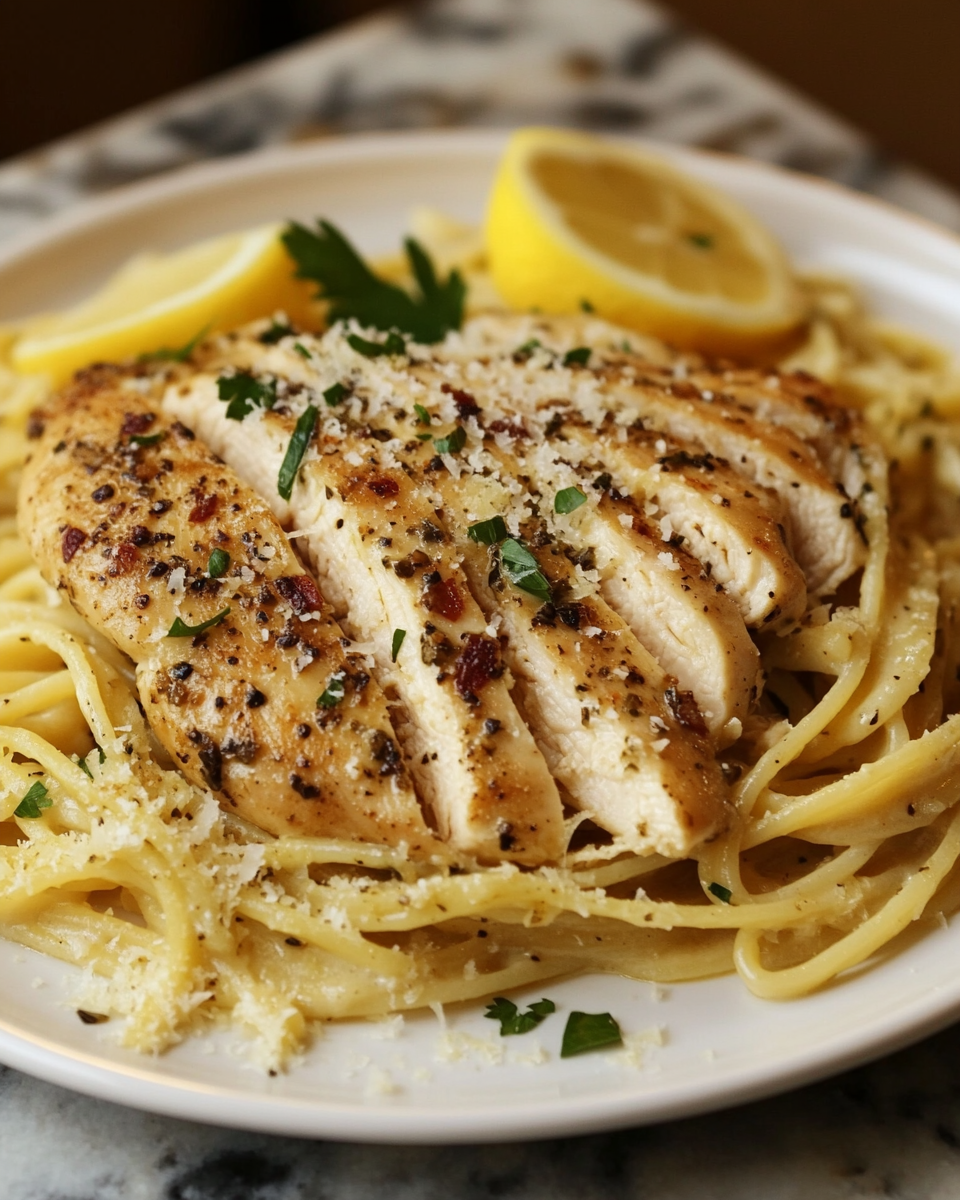
Lemon Herb Chicken Pasta: 5 Simple Cozy Plates

Lemon Herb Chicken Pasta: 5 Simple Cozy Plates

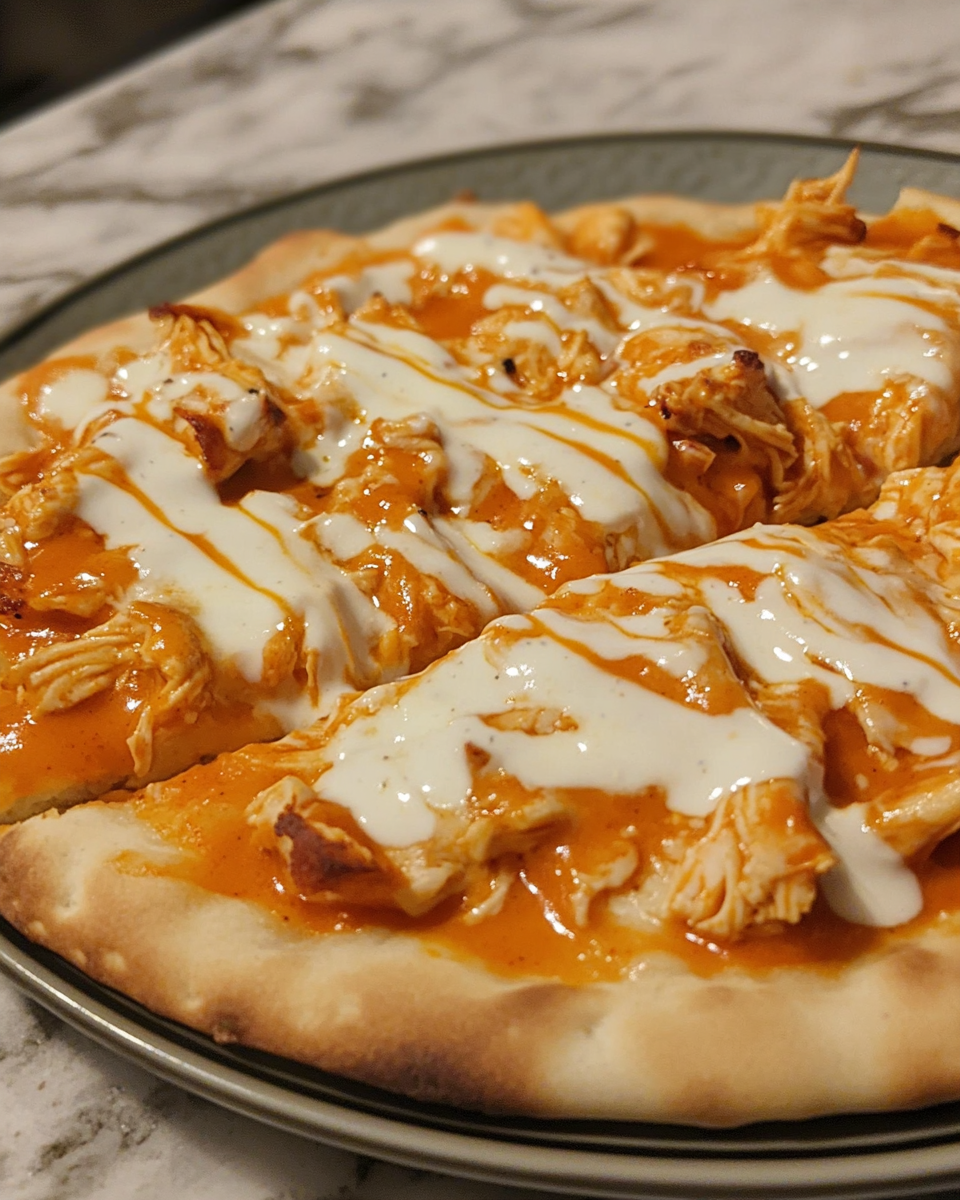
Buffalo Chicken Flatbread: 5 Terrific Cozy Slices

Buffalo Chicken Flatbread: 5 Terrific Cozy Slices

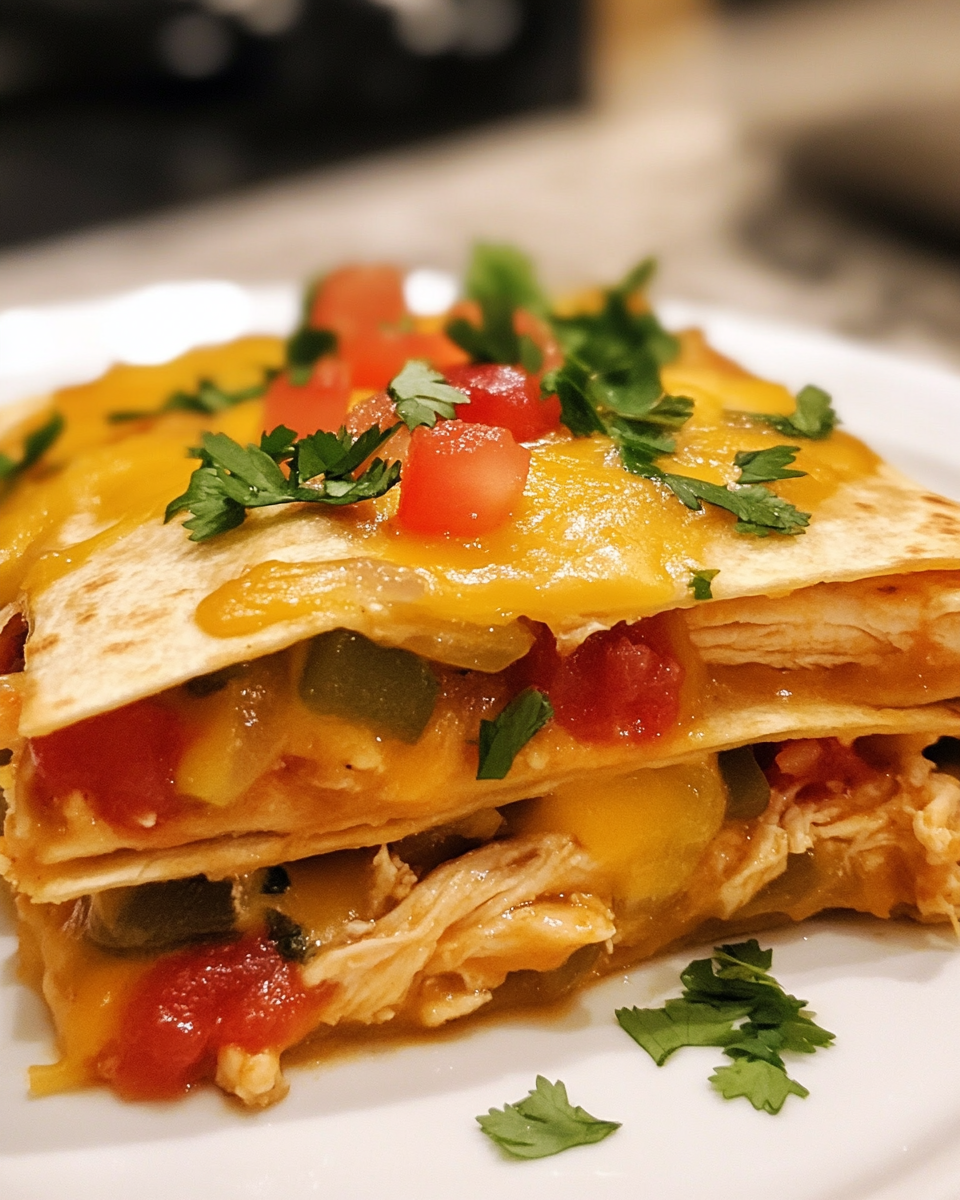
Chicken Quesadilla Bake: 5 Simple Cozy Layers

Chicken Quesadilla Bake: 5 Simple Cozy Layers

Tags:

You might also like these recipes

Leave a Comment