Creamy Chicken Spinach Pasta 7 Simple Surprising

Posted on

Uncategorized

Difficulty

Prep time

Cooking time

Total time

Servings

Creamy chicken spinach pasta brings together tender poultry, silky sauce, and leafy greens folded into warm pasta strands. Each forkful carries a smooth texture balanced with savory depth and gentle freshness from spinach. The dish centers on everyday ingredients prepared in a way that creates a comforting bowl suitable for many dining settings.

The pasta serves as the foundation, absorbing a creamy sauce that coats every curve and surface. Chicken adds hearty substance, while spinach contributes a soft earthy tone that lightens the overall profile. Garlic, onion, and seasoning build aromatic layers that support the main components without overwhelming them.

A skillet-based approach brings everything together in one pan after the pasta is cooked separately. This method allows the sauce to thicken slightly while clinging to the chicken and greens. The result is a cohesive dish where textures remain distinct yet unified.

This recipe works well for weeknight dining or casual gatherings. The preparation follows a steady sequence that keeps each component at its best consistency. The final dish presents a balanced combination of protein, greens, and pasta in a smooth, savory coating.

Ingredients Overview

Chicken breast forms the primary protein element, offering a lean and tender base when cooked properly. Cutting it into even pieces allows uniform cooking, helping each bite maintain consistent texture. Light seasoning applied during cooking supports the natural savory character.

Spinach introduces a soft leafy component that wilts quickly when exposed to heat. It blends into the sauce without losing its identity, adding color and subtle vegetal depth. Fresh spinach is commonly used, though thawed frozen spinach can be incorporated after excess liquid is removed.

Pasta acts as the structural foundation. Shapes such as penne, fettuccine, or rigatoni work well because they hold sauce effectively. Cooking pasta to a firm texture prevents it from becoming overly soft when combined with the sauce.

The sauce typically combines cream with grated cheese, creating a smooth coating that binds all ingredients. Garlic and onion provide aromatic depth, while a small amount of broth can adjust consistency. Olive oil or butter supports sautéing and flavor development during the initial cooking phase.

Seasonings such as salt, black pepper, and optional herbs shape the final profile. These elements should be balanced carefully to avoid overpowering the creamy base or the delicate spinach.

Ingredients

12 ounces pasta (penne or fettuccine)
1 pound chicken breast, cut into bite-size pieces
2 tablespoons olive oil
1 small onion, finely chopped
3 cloves garlic, minced
4 cups fresh spinach
1 cup heavy cream
1/2 cup chicken broth
3/4 cup grated Parmesan cheese
1/2 teaspoon salt
1/2 teaspoon black pepper
1/2 teaspoon Italian seasoning
1 tablespoon butter

Step-by-Step Instructions

Begin by cooking the pasta in a large pot of salted boiling water. Stir occasionally to prevent sticking. Cook until firm in texture, then drain and set aside while reserving a small portion of the cooking liquid.

Heat olive oil in a large skillet over medium heat. Place chicken pieces into the pan in a single layer. Allow them to cook until lightly golden on the surface and fully cooked through. Remove chicken from the skillet and set aside.

In the same skillet, add chopped onion. Cook until softened and translucent, stirring frequently. Add minced garlic and cook briefly until aromatic, taking care not to allow browning.

Pour in chicken broth to lift any cooked bits from the pan surface. This step builds flavor for the sauce base. Add heavy cream and stir gently as the mixture begins to warm.

Reduce heat slightly and add grated Parmesan cheese. Stir until the cheese melts into the cream, forming a smooth consistency. If the sauce appears too thick, add a small amount of reserved pasta liquid.

Return cooked chicken to the skillet. Add spinach in batches, allowing each portion to wilt before adding more. The spinach will reduce in volume quickly as it warms.

Add cooked pasta into the skillet. Gently fold everything together so the sauce coats each piece evenly. Add butter, salt, black pepper, and Italian seasoning during this stage.

Allow the mixture to simmer briefly so flavors combine and the sauce lightly thickens. Stir occasionally to prevent sticking at the base of the pan.

Once the texture appears cohesive and creamy, remove from heat. Let the dish rest briefly so the sauce settles before serving.

Tips, Variations & Substitutions

Chicken thighs can be used in place of chicken breast for a juicier texture. They require slightly longer cooking but add deeper savory character.

Different pasta shapes change the overall mouthfeel. Short pasta holds thicker sauce in its ridges, while long strands create a smoother coating experience.

A lighter version can be prepared by replacing part of the cream with additional chicken broth. This results in a thinner sauce while maintaining flavor balance.

Additional vegetables such as mushrooms or zucchini can be incorporated during the onion cooking stage. These additions increase volume and introduce extra texture.

For stronger cheese flavor, a portion of Parmesan can be replaced with Pecorino Romano. This adjustment produces a sharper savory profile.

Herbs such as basil or parsley may be added at the end for a fresh aromatic finish.

Serving Ideas & Occasions

Creamy chicken spinach pasta fits well into casual dinners, family meals, or shared gatherings. It pairs smoothly with toasted bread or a light green salad that balances the creamy texture.

A simple vegetable side such as roasted carrots or steamed broccoli complements the dish without competing with its flavor profile.

Beverage pairings often include sparkling water with citrus or mild herbal teas that cleanse the palate between bites.

This dish also works well for meal preparation, as it reheats gently on the stovetop with a small splash of broth or cream to restore consistency.

Nutritional & Health Notes

This dish provides a balance of protein from chicken, carbohydrates from pasta, and fats from cream and cheese. Spinach contributes fiber and micronutrients while blending into the overall texture.

Portion size influences nutritional content significantly, especially due to the creamy sauce base. Adjusting pasta quantity or cream levels can shift the balance toward a lighter or more filling meal.

Using lean chicken and moderating cheese quantity helps maintain a lighter profile while preserving flavor depth.

FAQs

What type of pasta works well in this dish?

Pasta shapes with surface texture or hollow centers work effectively. Penne, rigatoni, and fettuccine hold creamy sauce well and provide balanced bites. Cooking should be done until firm texture remains so the pasta holds structure when mixed with sauce.

Can frozen spinach replace fresh spinach?

Frozen spinach can be used after thawing and squeezing out excess moisture. This prevents the sauce from becoming watery. Fresh spinach offers a softer texture, while frozen spinach delivers a more concentrated leafy flavor.

Can dairy-free alternatives be used for the sauce?

Dairy-free cream substitutes and plant-based cheese can be used. The texture may differ slightly, but a smooth sauce can still be achieved by careful heating and gradual mixing.

What protein alternatives work besides chicken?

Turkey or cooked shrimp can be used as substitutes. Both options require adjusted cooking times to avoid overcooking. Plant-based protein pieces may also be added for a vegetarian variation.

Why does the sauce sometimes become too thick?

Overheating or prolonged simmering can reduce moisture content. Adding reserved pasta water or broth restores smooth consistency. Stirring gently while adjusting liquid helps maintain even texture.

Can this dish be prepared in advance?

The dish can be prepared ahead and stored in a sealed container. Reheating over low heat with a small amount of liquid helps restore creaminess. Pasta may absorb sauce over time, so adjustment may be needed.

What herbs pair well with this pasta?

Italian seasoning blends, basil, thyme, and parsley complement the creamy base. Fresh herbs added at the end provide a mild aromatic lift without overpowering the main components.

[rank_math_breadcrumb]

Creamy Chicken Spinach Pasta 7 Simple Surprising

Photo of author
Author: Mia
Published:

Creamy chicken spinach pasta brings together tender poultry, silky sauce, and leafy greens folded into warm pasta strands. Each forkful carries a smooth texture balanced with savory depth and gentle freshness from spinach. The dish centers on everyday ingredients prepared in a way that creates a comforting bowl suitable for many dining settings.

The pasta serves as the foundation, absorbing a creamy sauce that coats every curve and surface. Chicken adds hearty substance, while spinach contributes a soft earthy tone that lightens the overall profile. Garlic, onion, and seasoning build aromatic layers that support the main components without overwhelming them.

A skillet-based approach brings everything together in one pan after the pasta is cooked separately. This method allows the sauce to thicken slightly while clinging to the chicken and greens. The result is a cohesive dish where textures remain distinct yet unified.

This recipe works well for weeknight dining or casual gatherings. The preparation follows a steady sequence that keeps each component at its best consistency. The final dish presents a balanced combination of protein, greens, and pasta in a smooth, savory coating.

Ingredients Overview

Chicken breast forms the primary protein element, offering a lean and tender base when cooked properly. Cutting it into even pieces allows uniform cooking, helping each bite maintain consistent texture. Light seasoning applied during cooking supports the natural savory character.

Spinach introduces a soft leafy component that wilts quickly when exposed to heat. It blends into the sauce without losing its identity, adding color and subtle vegetal depth. Fresh spinach is commonly used, though thawed frozen spinach can be incorporated after excess liquid is removed.

Pasta acts as the structural foundation. Shapes such as penne, fettuccine, or rigatoni work well because they hold sauce effectively. Cooking pasta to a firm texture prevents it from becoming overly soft when combined with the sauce.

The sauce typically combines cream with grated cheese, creating a smooth coating that binds all ingredients. Garlic and onion provide aromatic depth, while a small amount of broth can adjust consistency. Olive oil or butter supports sautéing and flavor development during the initial cooking phase.

Seasonings such as salt, black pepper, and optional herbs shape the final profile. These elements should be balanced carefully to avoid overpowering the creamy base or the delicate spinach.

Ingredients

12 ounces pasta (penne or fettuccine)
1 pound chicken breast, cut into bite-size pieces
2 tablespoons olive oil
1 small onion, finely chopped
3 cloves garlic, minced
4 cups fresh spinach
1 cup heavy cream
1/2 cup chicken broth
3/4 cup grated Parmesan cheese
1/2 teaspoon salt
1/2 teaspoon black pepper
1/2 teaspoon Italian seasoning
1 tablespoon butter

Step-by-Step Instructions

Begin by cooking the pasta in a large pot of salted boiling water. Stir occasionally to prevent sticking. Cook until firm in texture, then drain and set aside while reserving a small portion of the cooking liquid.

Heat olive oil in a large skillet over medium heat. Place chicken pieces into the pan in a single layer. Allow them to cook until lightly golden on the surface and fully cooked through. Remove chicken from the skillet and set aside.

In the same skillet, add chopped onion. Cook until softened and translucent, stirring frequently. Add minced garlic and cook briefly until aromatic, taking care not to allow browning.

Pour in chicken broth to lift any cooked bits from the pan surface. This step builds flavor for the sauce base. Add heavy cream and stir gently as the mixture begins to warm.

Reduce heat slightly and add grated Parmesan cheese. Stir until the cheese melts into the cream, forming a smooth consistency. If the sauce appears too thick, add a small amount of reserved pasta liquid.

Return cooked chicken to the skillet. Add spinach in batches, allowing each portion to wilt before adding more. The spinach will reduce in volume quickly as it warms.

Add cooked pasta into the skillet. Gently fold everything together so the sauce coats each piece evenly. Add butter, salt, black pepper, and Italian seasoning during this stage.

Allow the mixture to simmer briefly so flavors combine and the sauce lightly thickens. Stir occasionally to prevent sticking at the base of the pan.

Once the texture appears cohesive and creamy, remove from heat. Let the dish rest briefly so the sauce settles before serving.

Tips, Variations & Substitutions

Chicken thighs can be used in place of chicken breast for a juicier texture. They require slightly longer cooking but add deeper savory character.

Different pasta shapes change the overall mouthfeel. Short pasta holds thicker sauce in its ridges, while long strands create a smoother coating experience.

A lighter version can be prepared by replacing part of the cream with additional chicken broth. This results in a thinner sauce while maintaining flavor balance.

Additional vegetables such as mushrooms or zucchini can be incorporated during the onion cooking stage. These additions increase volume and introduce extra texture.

For stronger cheese flavor, a portion of Parmesan can be replaced with Pecorino Romano. This adjustment produces a sharper savory profile.

Herbs such as basil or parsley may be added at the end for a fresh aromatic finish.

Serving Ideas & Occasions

Creamy chicken spinach pasta fits well into casual dinners, family meals, or shared gatherings. It pairs smoothly with toasted bread or a light green salad that balances the creamy texture.

A simple vegetable side such as roasted carrots or steamed broccoli complements the dish without competing with its flavor profile.

Beverage pairings often include sparkling water with citrus or mild herbal teas that cleanse the palate between bites.

This dish also works well for meal preparation, as it reheats gently on the stovetop with a small splash of broth or cream to restore consistency.

Nutritional & Health Notes

This dish provides a balance of protein from chicken, carbohydrates from pasta, and fats from cream and cheese. Spinach contributes fiber and micronutrients while blending into the overall texture.

Portion size influences nutritional content significantly, especially due to the creamy sauce base. Adjusting pasta quantity or cream levels can shift the balance toward a lighter or more filling meal.

Using lean chicken and moderating cheese quantity helps maintain a lighter profile while preserving flavor depth.

FAQs

What type of pasta works well in this dish?

Pasta shapes with surface texture or hollow centers work effectively. Penne, rigatoni, and fettuccine hold creamy sauce well and provide balanced bites. Cooking should be done until firm texture remains so the pasta holds structure when mixed with sauce.

Can frozen spinach replace fresh spinach?

Frozen spinach can be used after thawing and squeezing out excess moisture. This prevents the sauce from becoming watery. Fresh spinach offers a softer texture, while frozen spinach delivers a more concentrated leafy flavor.

Can dairy-free alternatives be used for the sauce?

Dairy-free cream substitutes and plant-based cheese can be used. The texture may differ slightly, but a smooth sauce can still be achieved by careful heating and gradual mixing.

What protein alternatives work besides chicken?

Turkey or cooked shrimp can be used as substitutes. Both options require adjusted cooking times to avoid overcooking. Plant-based protein pieces may also be added for a vegetarian variation.

Why does the sauce sometimes become too thick?

Overheating or prolonged simmering can reduce moisture content. Adding reserved pasta water or broth restores smooth consistency. Stirring gently while adjusting liquid helps maintain even texture.

Can this dish be prepared in advance?

The dish can be prepared ahead and stored in a sealed container. Reheating over low heat with a small amount of liquid helps restore creaminess. Pasta may absorb sauce over time, so adjustment may be needed.

What herbs pair well with this pasta?

Italian seasoning blends, basil, thyme, and parsley complement the creamy base. Fresh herbs added at the end provide a mild aromatic lift without overpowering the main components.
Name

Lorem ipsum dolor sit amet, consectetur adipiscing elit. Suspendisse varius enim in eros elementum tristique. Duis cursus, mi quis viverra ornare, eros dolor interdum nulla, ut commodo diam libero vitae erat.

You Might Also Like...

BBQ Chicken Biscuit Casserole: 7 Amazing Cozy Flavors

BBQ Chicken Biscuit Casserole: 7 Amazing Cozy Flavors

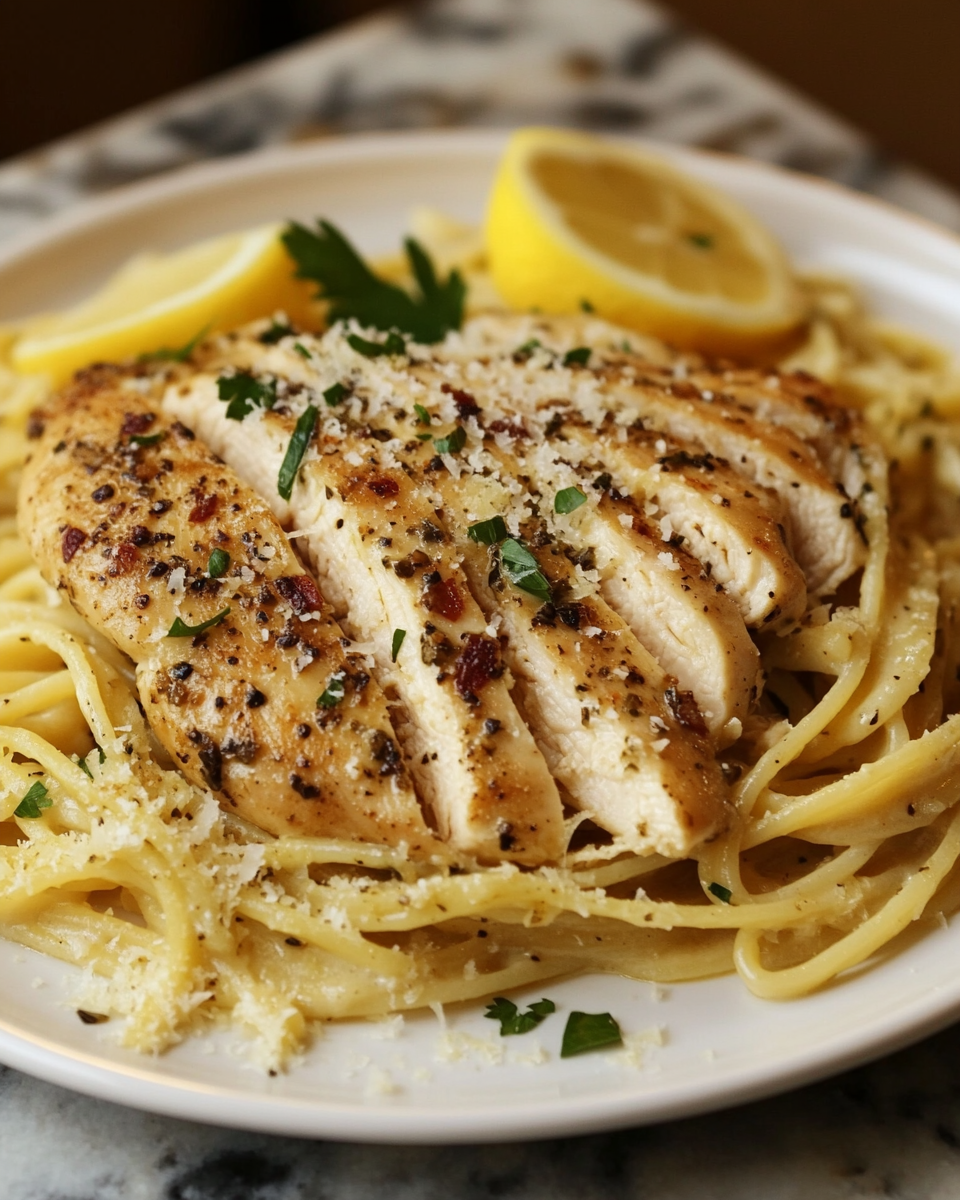
Lemon Herb Chicken Pasta: 5 Simple Cozy Plates

Lemon Herb Chicken Pasta: 5 Simple Cozy Plates

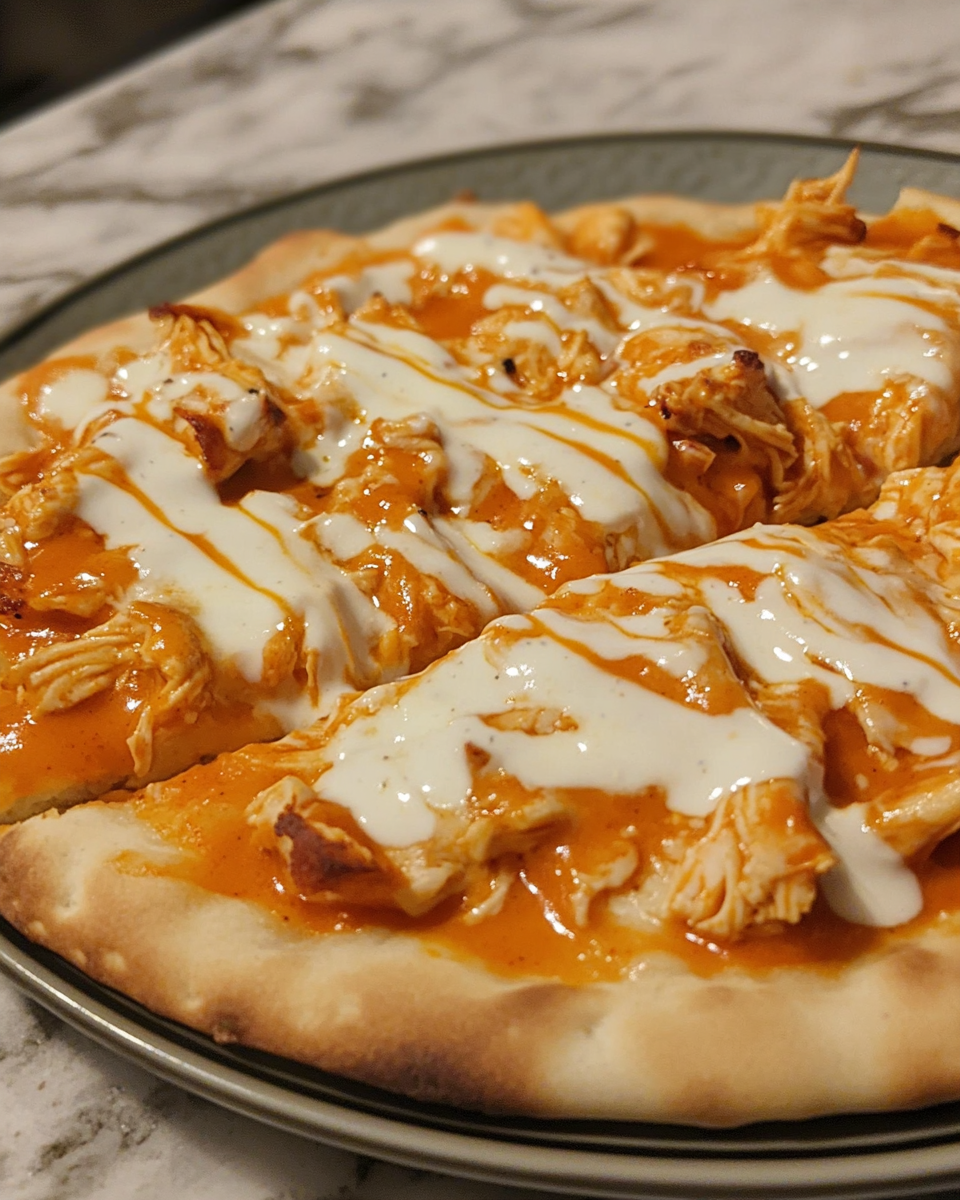
Buffalo Chicken Flatbread: 5 Terrific Cozy Slices

Buffalo Chicken Flatbread: 5 Terrific Cozy Slices

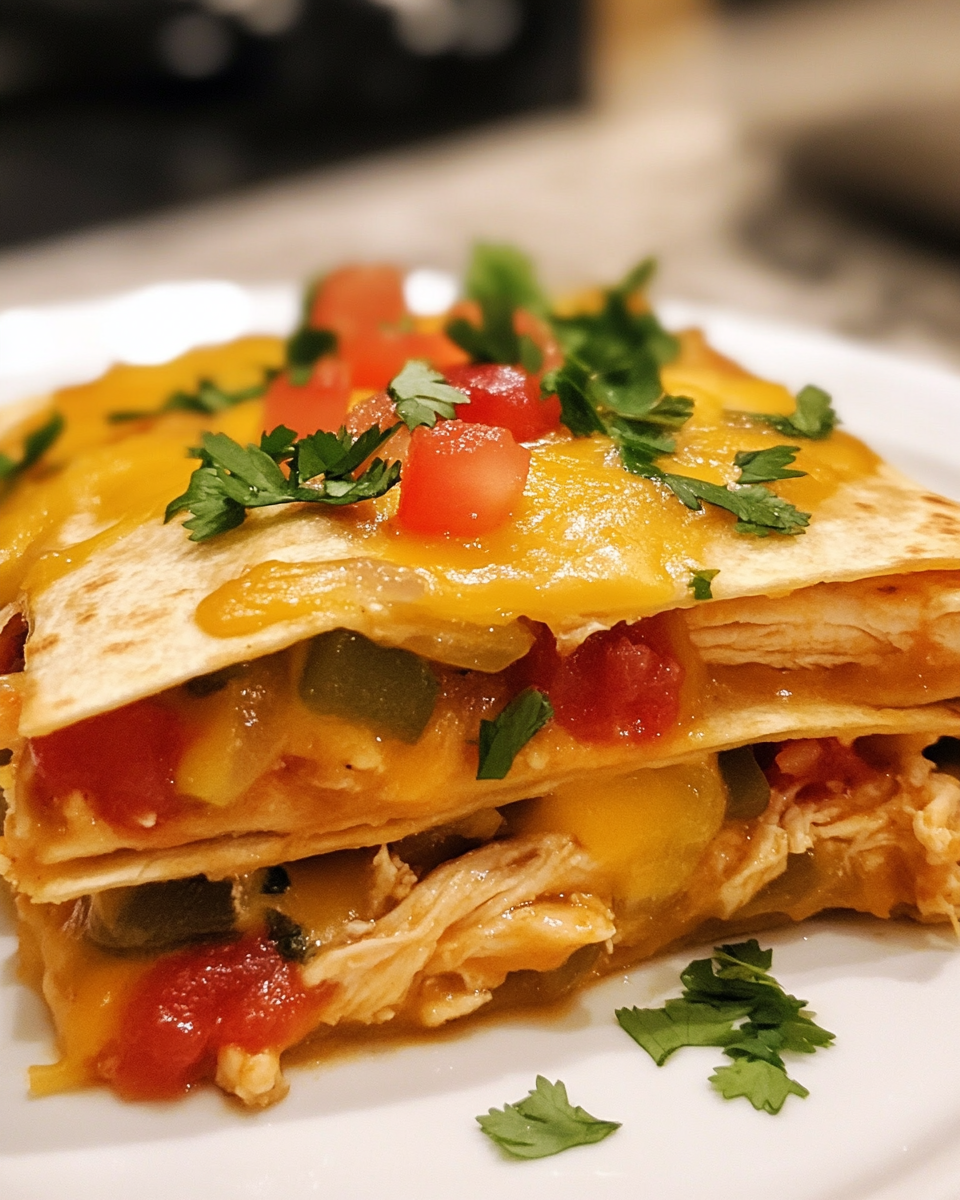
Chicken Quesadilla Bake: 5 Simple Cozy Layers

Chicken Quesadilla Bake: 5 Simple Cozy Layers

Tags:

You might also like these recipes

Leave a Comment