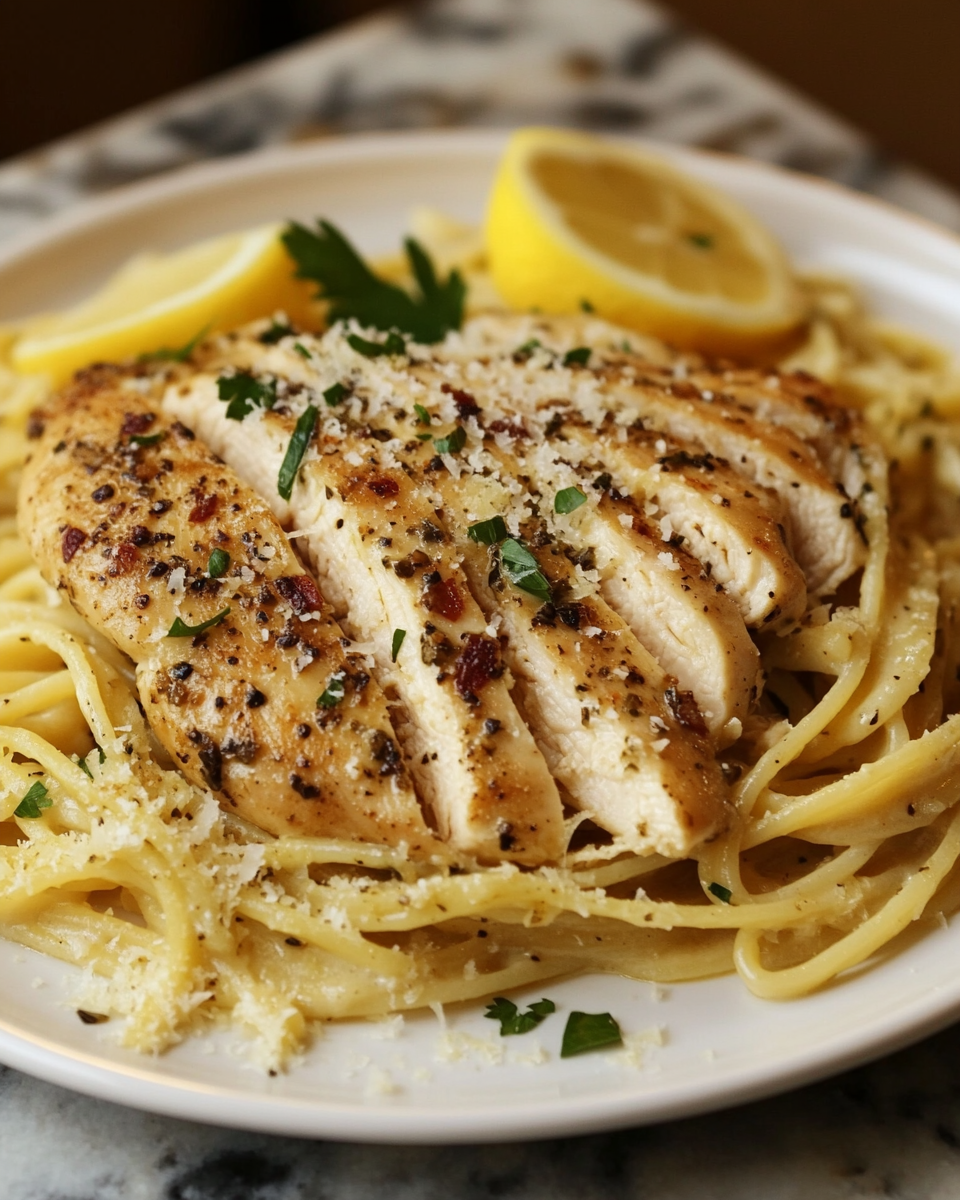
Creamy Rotisserie Chicken Pot Pie Soup brings classic pot pie flavor into a warm, spoonable dish with a velvety base, tender chicken, and hearty vegetables. This bowl carries familiar comfort notes from a traditional baked pot pie while removing the crust and turning everything into a smooth, savory soup.
Rotisserie chicken adds depth and saves preparation effort since the meat is already seasoned and tender. A blend of aromatics, stock, cream, and vegetables creates a thick, silky texture that clings lightly to every bite. The result feels balanced, hearty, and suitable for cool evenings or relaxed family dinners.
This soup works well in a single pot, allowing each component to build flavor gradually. The vegetables soften gently while the broth develops richness from herbs and dairy. Each spoonful brings a mix of creamy base, tender chicken pieces, and soft vegetables that resemble the filling of a pot pie.
The recipe keeps the structure straightforward, focusing on layering flavor instead of complex steps. The final dish can stand alone or pair with bread for added texture contrast.
Ingredients Overview

Rotisserie chicken serves as the foundation of this soup, bringing seasoned meat that blends easily into the creamy broth. The chicken is typically already cooked with salt and spices, which helps deepen the overall flavor without additional seasoning complexity.
Onion, celery, and carrot form the aromatic base. These vegetables soften in fat and broth, releasing sweetness and earthy tones that balance the creamy element. They also give the soup body and structure.
Garlic adds depth and warmth, while thyme and parsley introduce herbal notes that echo traditional pot pie filling. These herbs work best when simmered gently so their aroma infuses the liquid without overpowering it.
Chicken stock forms the liquid base. A well-balanced stock contributes savory richness and ties the ingredients together. It also helps carry the cream without feeling heavy.
Heavy cream or half-and-half provides the signature silky texture. When added near the end of cooking, it creates a smooth consistency that resembles a classic pot pie filling.
Frozen peas and diced potatoes add substance. The peas bring slight sweetness and color, while potatoes give a soft, hearty bite that thickens the soup naturally as they cook.
Flour and butter combine to form a roux. This mixture thickens the broth, giving it a velvety body that holds the ingredients evenly throughout each spoonful.
Salt and black pepper adjust seasoning at the end, allowing the natural flavors of the chicken and vegetables to remain central. A small amount of poultry seasoning can also support the overall profile if desired.
Ingredients
3 cups rotisserie chicken, shredded
2 tablespoons butter
1 small onion, finely diced
2 celery stalks, diced
2 medium carrots, diced
2 cloves garlic, minced
1/4 cup all-purpose flour
4 cups chicken stock
2 medium potatoes, peeled and diced
1 cup frozen peas
1 teaspoon dried thyme
1/2 teaspoon dried parsley
1 cup heavy cream
1 teaspoon salt
1/2 teaspoon black pepper
1/2 teaspoon poultry seasoning (optional)
Step-by-Step Instructions

Begin by preparing a large pot over medium heat. Add butter and allow it to melt fully until it lightly coats the base of the pot. The butter provides a foundation for sautéing the vegetables and building flavor.
Add onion, celery, and carrots. Cook while stirring occasionally until the vegetables soften and the onion becomes translucent. This stage develops a gentle sweetness that supports the creamy broth later.
Add garlic and cook briefly until aromatic. Keep the heat controlled so the garlic does not brown, as this can introduce bitterness.
Sprinkle flour over the softened vegetables. Stir continuously so the flour coats each piece evenly. This step creates a roux that will thicken the soup. Allow it to cook for a short period so the raw flour flavor dissipates.
Slowly pour in chicken stock while stirring. Add it gradually to prevent lumps and maintain a smooth texture. As the liquid combines with the roux, the mixture will begin to thicken.
Add diced potatoes, thyme, parsley, salt, black pepper, and poultry seasoning if using. Bring the mixture to a gentle simmer. Cook until potatoes become tender when pierced with a fork. Stir occasionally to prevent sticking at the bottom of the pot.
Add shredded rotisserie chicken and frozen peas. Stir to distribute evenly. Allow the soup to simmer until the peas are heated through and the chicken absorbs the broth’s flavor.
Lower the heat and pour in cream. Stir gently to incorporate. The soup will turn smooth and slightly thicker as the cream blends with the broth. Avoid boiling after adding cream to maintain a stable texture.
Taste and adjust seasoning if needed. The final consistency should be creamy, thick, and balanced with vegetable and chicken pieces evenly distributed.
Remove from heat and let the soup rest briefly before serving. This allows the texture to settle and the flavors to integrate fully.
Tips, Variations & Substitutions
A thicker texture can be achieved by increasing the amount of potatoes or allowing the soup to simmer longer before adding cream. For a lighter version, half-and-half can replace heavy cream without losing smoothness.
Rotisserie chicken can be swapped with cooked turkey or poached chicken breast. Both options maintain structure while offering slightly different flavor profiles.
Additional vegetables such as corn or green beans can be added for variety. These should be cooked until tender but still firm enough to hold shape.
For deeper herb flavor, fresh thyme can replace dried thyme. Fresh herbs should be added toward the end of cooking to preserve aroma.
A touch of Dijon-style mustard can be stirred into the base for mild tang, balancing the creamy elements without overpowering the soup.
Serving Ideas & Occasions
This soup pairs well with toasted bread, biscuits, or puff pastry strips for added texture. A simple green salad with light vinaigrette can balance the creamy richness.
It works well for evening meals, casual gatherings, or cooler weather dining. The dish holds its structure well when reheated, making it suitable for batch preparation and later servings.
A small garnish of chopped parsley adds color contrast at the table, while cracked black pepper on top introduces a subtle finishing note.
Nutritional & Health Notes
This soup provides a balanced mix of protein from chicken, carbohydrates from potatoes, and fats from cream and butter. Vegetables contribute fiber and micronutrients, supporting overall nutritional variety within the dish.
Portion size can be adjusted depending on dietary needs. Using half-and-half instead of heavy cream reduces fat content while maintaining a smooth texture.
Rotisserie chicken contributes lean protein but may contain varying sodium levels depending on preparation. Adjusting added salt can help balance overall seasoning.
FAQs
Can rotisserie chicken be prepared ahead for this soup?
Rotisserie chicken can be shredded and stored in a sealed container in the refrigerator before preparing the soup. This allows quicker assembly during cooking. Keeping the meat separate until added to the pot preserves its texture and prevents it from drying out. It integrates well into the broth when warmed through.
Can the soup be frozen for later use?
The soup can be frozen, although texture may change slightly due to the cream. For better results, freeze the base before adding cream, then incorporate dairy when reheating. This helps maintain a smoother consistency and prevents separation.
What thickens this soup naturally?
Potatoes and the flour-based roux work together to thicken the broth. As potatoes cook, they release starch, which enhances body. The roux stabilizes the liquid, giving the soup a creamy structure that resembles pot pie filling.
Can dairy be removed from this recipe?
Dairy can be replaced with unsweetened plant-based cream alternatives. The texture will remain creamy, though flavor will shift slightly. Coconut-based cream is not recommended due to its distinct taste, which may alter the savory profile.
What type of chicken stock works best?
A well-balanced chicken stock with moderate sodium and clear flavor works best. Homemade or store-bought versions both perform well, as long as the stock is not overly salty or heavily seasoned.
Can additional vegetables be added?
Additional vegetables such as corn, green beans, or mushrooms can be added. Each should be cooked until tender but not overly soft to maintain texture contrast within the soup.
How thick should the final soup be?
The final consistency should resemble a creamy stew, thick enough to coat a spoon but still fluid enough to serve easily. Adjust thickness by simmering longer or adding a small amount of extra stock if needed.