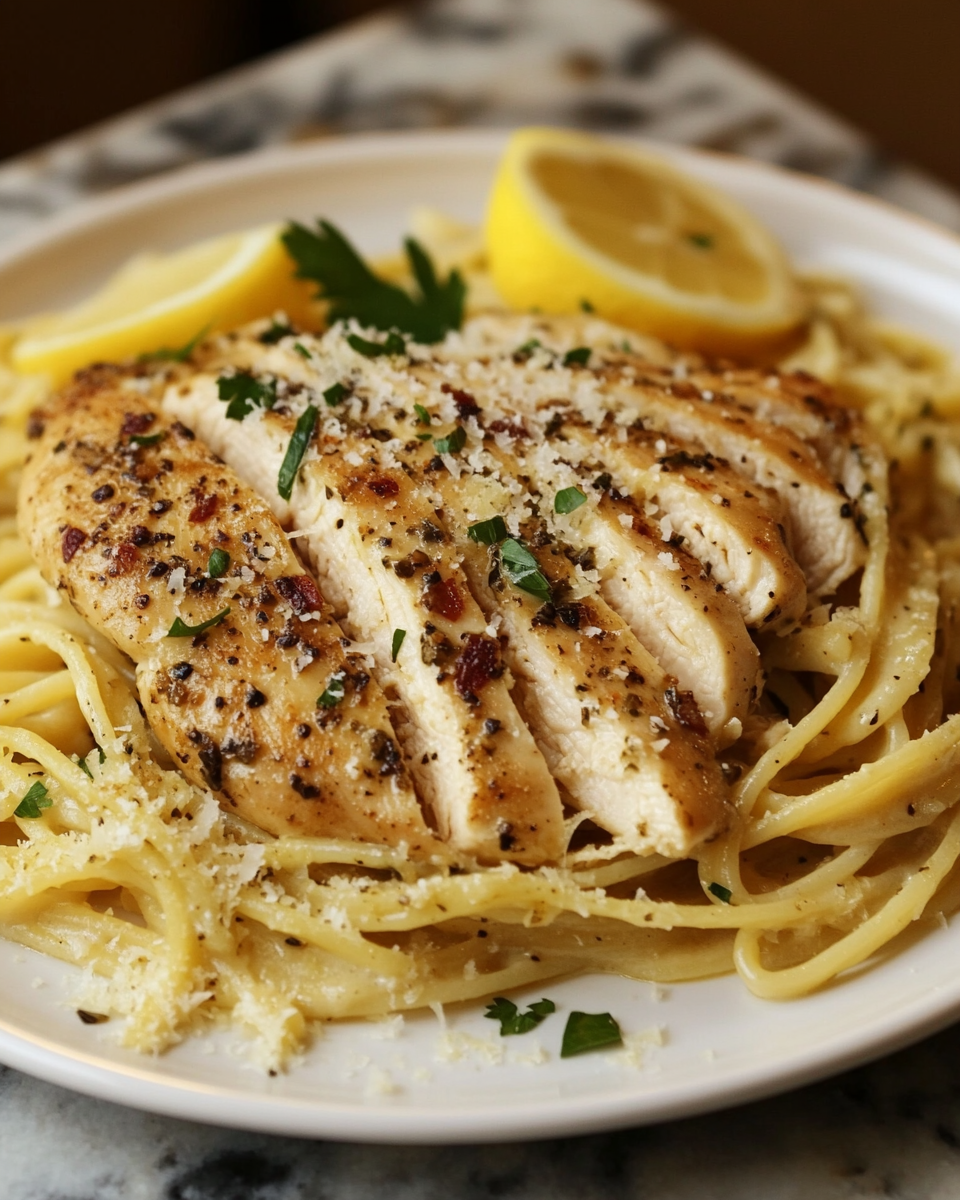
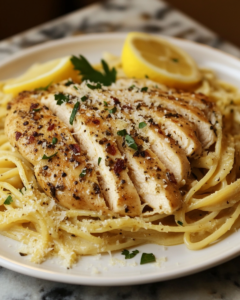
Garlic Butter Chicken Noodles bring together tender chicken, silky noodles, and a rich garlic butter coating that clings to every strand. This comforting skillet meal comes together with pantry staples and delivers deep savory flavor without a complicated cooking process.
The garlic slowly softens in butter, forming the flavorful base for the entire dish. Chicken adds hearty texture, while noodles soak up the buttery sauce for a balanced bite in every forkful. A touch of broth keeps the noodles glossy and light rather than heavy.
This recipe works well for busy evenings, relaxed family suppers, or casual gatherings with friends. Since everything cooks in one pan after the noodles boil, cleanup stays manageable while the flavor remains rich and satisfying.
Fresh parsley and cracked black pepper finish the dish with brightness and warmth. Parmesan can also be added for a slightly salty finish that pairs beautifully with the buttery garlic coating.
Ingredients Overview

Garlic forms the central flavor in Garlic Butter Chicken Noodles. Fresh cloves deliver a mellow sweetness once sautéed gently in butter. Pre-minced garlic can work in a pinch, though freshly chopped cloves create fuller flavor and a softer texture.
Butter gives the sauce richness and helps coat the noodles evenly. Unsalted butter works particularly well because it allows better control over seasoning. Olive oil joins the butter during cooking to help prevent scorching while the chicken browns.
Boneless chicken breast stays lean and cooks quickly. Chicken thighs also work beautifully if a slightly richer texture is preferred. Thin slices cook evenly and remain tender when sautéed over medium heat.
Egg noodles hold the buttery sauce nicely due to their soft texture and broad shape. Linguine, spaghetti, or fettuccine can also stand in comfortably. Short pasta shapes such as rotini or penne create a slightly different texture while still pairing nicely with the sauce.
Chicken broth loosens the butter mixture and helps the garlic spread through the noodles rather than sitting heavily at the bottom of the pan. Parmesan contributes gentle saltiness and a creamy finish without turning the sauce overly thick.
Parsley balances the richness with fresh herbal flavor. Black pepper adds warmth, while a small squeeze of lemon can brighten the entire skillet without overpowering the garlic butter profile.
Ingredients
1 pound boneless skinless chicken breast, thinly sliced
12 ounces egg noodles
4 tablespoons unsalted butter
1 tablespoon olive oil
6 garlic cloves, finely minced
1 teaspoon salt
1/2 teaspoon black pepper
1/2 teaspoon paprika
1/4 teaspoon red pepper flakes
1 cup chicken broth
1/2 cup grated Parmesan cheese
2 tablespoons chopped fresh parsley
1 teaspoon lemon juice
Step-by-Step Instructions

Fill a large pot with water and bring it to a rolling boil. Add a generous pinch of salt before placing the noodles into the pot. Cook the noodles until just tender according to package directions. Stir occasionally so the strands do not cling together. Drain the noodles and reserve about half a cup of pasta water.
While the noodles cook, pat the chicken slices dry using paper towels. Dry chicken browns far more evenly and develops richer flavor during cooking. Season the chicken with salt, black pepper, paprika, and red pepper flakes.
Place a large skillet over medium heat. Add olive oil along with two tablespoons of butter. Once the butter melts and begins bubbling gently, arrange the chicken in a single layer. Avoid overcrowding the skillet because packed chicken releases moisture and steams rather than browning.
Cook the chicken for about four minutes per side until lightly golden and fully cooked through. The center should appear opaque rather than pink. Transfer the cooked chicken onto a plate and keep nearby.
Lower the heat slightly before adding the remaining butter to the skillet. Stir in the minced garlic and cook for about one minute. Garlic cooks quickly, so constant stirring helps prevent bitterness. The garlic should smell fragrant and appear lightly golden rather than dark brown.
Pour the chicken broth into the skillet and scrape the bottom using a wooden spoon. This step lifts flavorful browned bits from the pan and blends them into the sauce. Allow the broth to simmer gently for two minutes.
Return the cooked chicken to the skillet along with the drained noodles. Toss thoroughly so the noodles absorb the buttery garlic mixture. If the noodles appear dry, stir in a small splash of reserved pasta water until the sauce turns glossy.
Sprinkle Parmesan across the noodles and continue tossing until melted evenly through the skillet. Add parsley and lemon juice during the final minute of cooking. Taste the noodles and adjust salt or pepper if needed.
Serve the Garlic Butter Chicken Noodles immediately while warm. The noodles should appear silky, lightly coated, and filled with garlic aroma without feeling greasy or overly thick.
One common issue comes from overheating garlic. Burned garlic creates bitterness that spreads through the entire skillet. Another frequent mistake involves overcooking chicken, which can create dry chewy pieces. Thin slices and moderate heat help maintain tenderness throughout cooking.
Tips, Variations & Substitutions
Chicken thighs bring slightly deeper flavor and remain juicy even with longer cooking. Shrimp also pairs beautifully with the buttery garlic coating and cooks within just a few minutes. Thin strips of steak create another hearty variation with rich savory flavor.
For additional vegetables, spinach, mushrooms, broccoli, or peas fit naturally into the skillet. Add leafy greens near the end so they soften gently without turning mushy. Mushrooms should cook separately until browned before joining the noodles.
Fresh herbs shift the flavor profile nicely. Parsley delivers brightness, while basil contributes sweetness and chives offer a mild onion note. A tiny pinch of cayenne creates extra warmth for those who enjoy slightly spicier pasta dishes.
Gluten-free pasta works comfortably in place of egg noodles. Rice noodles can also function nicely, though they absorb sauce differently and require gentler tossing. Dairy-free butter substitutes still provide rich texture while keeping the recipe suitable for additional dietary preferences.
Parmesan can be replaced with Romano for stronger salty flavor. A spoonful of cream creates a richer sauce, though the dish remains satisfying without becoming overly heavy.
Leftovers store well in a sealed container within the refrigerator for up to three days. Reheat slowly in a skillet with a splash of broth so the noodles regain their silky texture rather than drying out.
Serving Ideas & Occasions
Garlic Butter Chicken Noodles pair beautifully with crisp green salad dressed lightly with lemon vinaigrette. Roasted green beans or steamed broccoli also balance the richness of the buttery noodles while adding color to the plate.
Warm garlic bread works naturally beside the pasta for a comforting evening meal. For lighter pairings, cucumber salad or roasted zucchini help keep the dinner balanced without overshadowing the garlic flavor.
This dish suits busy weeknights because the cooking process moves quickly from stovetop to table. It also works nicely for relaxed weekend suppers since the rich aroma fills the kitchen beautifully during cooking.
Iced tea, sparkling water with lemon, or light white wine complement the buttery sauce particularly well. Since the recipe feels hearty without becoming overly dense, it fits comfortably during colder months while remaining satisfying during spring evenings too.
Nutritional & Health Notes
Garlic Butter Chicken Noodles provide balanced portions of protein, carbohydrates, and fats within one skillet meal. Chicken contributes lean protein that supports fullness and helps balance the richness from butter and Parmesan.
Garlic contains naturally occurring compounds that contribute deep savory flavor without requiring excessive sodium. Fresh parsley also adds vitamins along with brightness that balances the richer ingredients in the skillet.
Using moderate butter keeps the sauce flavorful without becoming excessively heavy. Egg noodles provide satisfying texture and energy through carbohydrates, while broth keeps the sauce lighter than cream-based pasta dishes.
Adding vegetables such as broccoli, spinach, or peas increases fiber and creates additional nutritional balance. Choosing whole wheat pasta can also raise fiber content slightly while maintaining hearty texture.
Portion size plays an important role since buttery pasta dishes can become filling quickly. Serving the noodles alongside vegetables or salad creates a balanced plate that feels satisfying without excess heaviness.
FAQs
Can chicken thighs replace chicken breast?
Chicken thighs work very nicely in Garlic Butter Chicken Noodles and often create slightly juicier texture. Boneless skinless thighs cook quickly while remaining tender even if left in the skillet slightly longer. Since thighs contain more fat than breast meat, they also contribute deeper savory flavor to the finished noodles.
Trim excess fat before slicing the thighs into thin strips so they cook evenly. Medium heat works particularly well because it allows the outside to brown gently without scorching the butter. Thighs usually require several additional minutes compared with chicken breast, though exact timing depends on thickness.
Which noodles work nicely for this recipe?
Egg noodles remain a favorite choice because their soft texture absorbs the garlic butter mixture beautifully. Their broad shape also catches small pieces of garlic and Parmesan throughout the skillet. Linguine and fettuccine create slightly firmer texture while still pairing comfortably with the sauce.
Short pasta such as penne or rotini can also work, particularly when serving larger gatherings. Rice noodles create lighter texture though they require gentler stirring since they can break more easily. Regardless of noodle choice, cooking just until tender helps maintain pleasant texture once tossed with the sauce.
How can leftovers stay tender during reheating?
Leftover Garlic Butter Chicken Noodles reheat nicely when warmed slowly. Place the noodles into a skillet over low heat along with a few spoonfuls of broth or water. Gentle heat helps loosen the butter coating while preventing dry noodles and rubbery chicken.
Microwave reheating can also work if done carefully. Cover the bowl loosely and heat in short intervals while stirring between rounds. Adding liquid before reheating remains important because noodles continue absorbing moisture during refrigeration.
Fresh parsley added after reheating can brighten the leftovers and restore some freshness to the dish. Avoid overheating since prolonged heat can toughen the chicken and separate the buttery sauce.
Can vegetables be added directly into the skillet?
Vegetables fit beautifully into this recipe and can turn the noodles into a complete one-pan supper. Broccoli florets, mushrooms, spinach, peas, and zucchini all pair naturally with garlic butter sauce.
Harder vegetables such as broccoli should cook briefly before joining the noodles. Mushrooms benefit from separate browning since they release moisture during cooking. Spinach and peas require only minimal heat near the end because they soften quickly.
Keeping vegetables slightly crisp helps balance the silky noodles and buttery coating. Overcooked vegetables may become watery and thin the sauce too much. Moderate portions create balance while still allowing the garlic butter flavor to remain central.
Why did the garlic taste bitter?
Garlic becomes bitter when exposed to excessive heat for too long. Since minced garlic cooks rapidly, it should enter the skillet only after the chicken finishes browning. Lowering the heat slightly before adding garlic creates better control during cooking.
Butter can also brown quickly, particularly in thinner pans. Stirring continuously during the garlic stage helps maintain even cooking while preventing dark spots. Ideally, the garlic should appear pale golden and smell fragrant rather than deeply browned.
Fresh garlic generally produces smoother flavor than jarred garlic. Using moderate heat and short cooking time keeps the flavor mellow and rich throughout the noodles.
Can Parmesan be skipped?
Parmesan contributes gentle saltiness and creamy texture, though the recipe still works comfortably without it. The butter and broth already create flavorful coating for the noodles, so removing cheese does not leave the skillet bland.
For slightly different flavor, Romano or Asiago can replace Parmesan. Dairy-free cheese substitutes may also function depending on personal preference. Nutritional yeast provides another option for savory flavor while keeping the dish dairy free.
If skipping cheese entirely, slightly extra salt and parsley can help maintain balanced flavor. A small squeeze of lemon near serving also brightens the noodles pleasantly without requiring additional dairy ingredients.
What side dishes pair comfortably with Garlic Butter Chicken Noodles?
Lighter side dishes balance the richness of Garlic Butter Chicken Noodles particularly well. Crisp salad with lemon dressing adds freshness without competing against the garlic flavor. Roasted asparagus, broccoli, or green beans also complement the buttery noodles beautifully.
Bread remains another comfortable pairing, particularly warm crusty slices suitable for soaking extra sauce from the plate. For gatherings, serving the noodles beside grilled vegetables creates colorful presentation while keeping the meal balanced.
Cold beverages with citrus notes pair pleasantly alongside the warm buttery skillet. Since the noodles already feel hearty and filling, sides with bright fresh flavors usually create the most balanced meal overall.