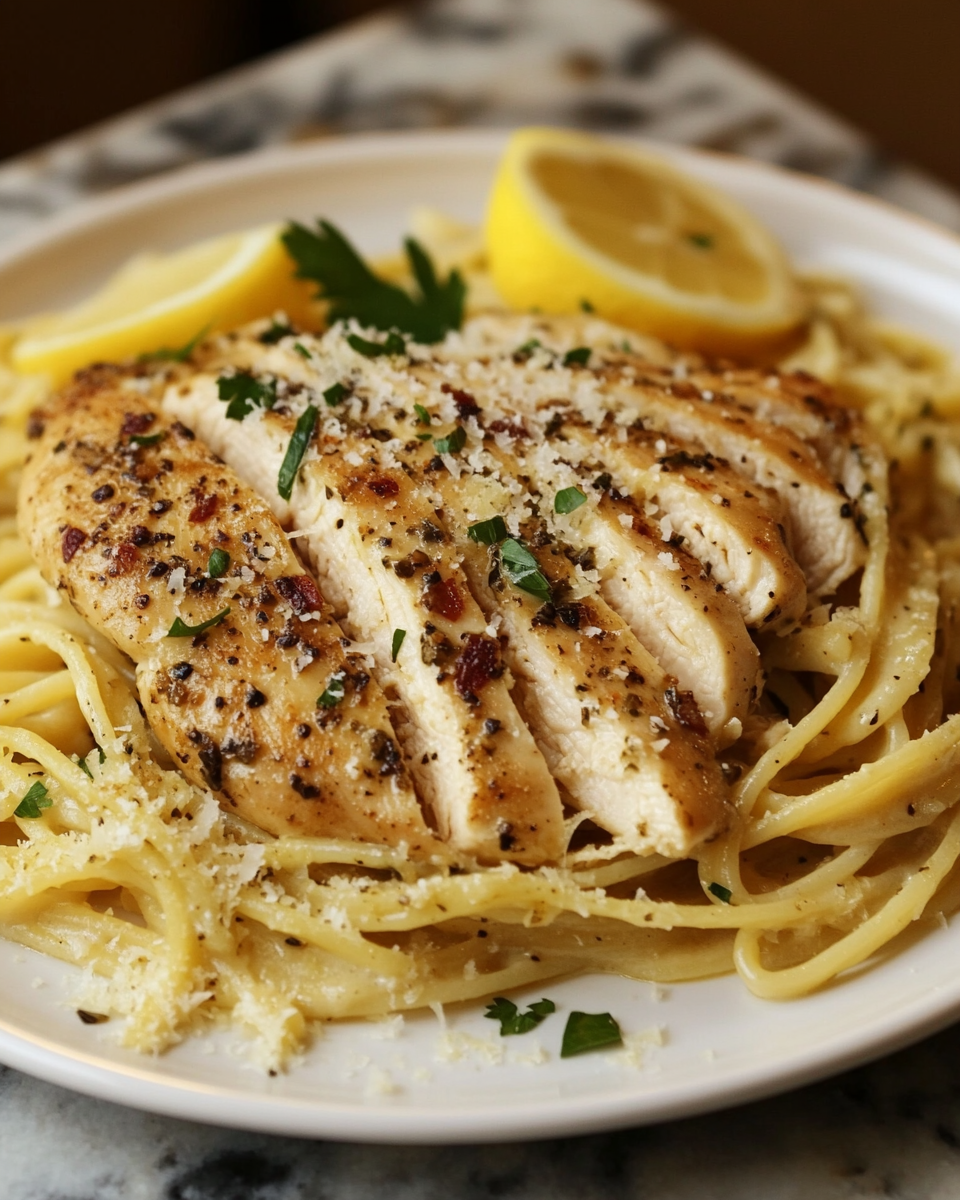
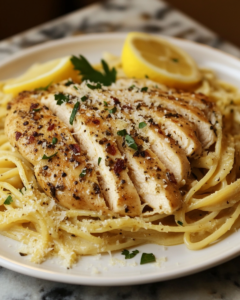
A garlic rotisserie chicken pasta skillet brings together tender shredded chicken, aromatic garlic, and a creamy pasta base in a single pan. This dish centers on convenience while still delivering layered savory depth, making it a reliable option for a busy evening meal.
Rotisserie chicken serves as a prepared protein that blends smoothly into hot pasta and sauce. Garlic forms the aromatic base, infusing the entire skillet with steady savory notes as it cooks gently in olive oil. Pasta absorbs the sauce as it finishes cooking in the skillet, allowing starch to naturally thicken the mixture.
A creamy element, often a blend of broth and dairy, binds everything together. Parmesan adds a salty finish, while herbs introduce a subtle earthy tone. The result is a cohesive skillet dish where each component contributes structure without overpowering the others.
Ingredients Overview

Rotisserie chicken forms the protein base for this skillet. Its already-cooked texture allows it to integrate quickly into the sauce without long simmering. Shredded pieces distribute evenly through the pasta, giving consistent bites throughout the dish.
Garlic plays a central role in building aroma and depth. When gently sautéed, it releases a warm savory character that infuses the oil and spreads through the entire pan. Careful heat control prevents bitterness and keeps its profile rounded.
Pasta acts as both structure and starch source. As it cooks in broth and cream, it releases starch that thickens the sauce naturally. Short shapes such as penne or rotini hold sauce well in their ridges and curves.
Chicken broth forms the liquid base. It carries seasoning through the pasta while adding savory backbone. Heavy cream or half-and-half creates a smooth texture that balances the broth’s lighter profile.
Parmesan cheese adds salt and body. It melts into the sauce, helping it cling to pasta and chicken. Italian herbs, black pepper, and a touch of butter complete the seasoning profile, giving the skillet a rounded finish.
Optional additions such as spinach or peas can introduce color and mild vegetal contrast without changing the core structure of the dish.
Ingredients
12 ounces penne pasta
2 cups shredded rotisserie chicken
2 tablespoons olive oil
4 cloves garlic, minced
3 cups chicken broth
1 cup heavy cream
1 cup grated Parmesan cheese
1 teaspoon Italian seasoning
1/2 teaspoon black pepper
1/2 teaspoon salt
2 tablespoons unsalted butter
1 cup fresh spinach (optional)
1/2 cup frozen peas (optional)
Step-by-Step Instructions

Place a large skillet over medium heat and add olive oil. Allow the oil to warm before adding minced garlic. Stir gently for about one minute until the garlic releases aroma without taking on deep color.
Add dry pasta directly into the skillet. Pour in chicken broth and stir so the pasta is mostly covered. Bring the mixture to a steady simmer, stirring occasionally to prevent sticking at the bottom.
As the pasta softens, the liquid will begin to reduce. Continue stirring at intervals so the starch distributes evenly through the broth. This step allows the sauce base to form as the pasta cooks.
Once the pasta reaches a tender texture with slight firmness in the center, reduce heat slightly. Add shredded rotisserie chicken and fold it through the pasta so it warms evenly.
Pour in heavy cream and stir until the mixture becomes smooth and cohesive. The sauce will thicken further as it continues to heat gently.
Add butter, Parmesan cheese, Italian seasoning, salt, and black pepper. Stir until the cheese melts completely and the sauce clings to the pasta and chicken.
If using spinach or peas, fold them in at this stage. Spinach will wilt from residual heat, while peas will warm through without losing shape.
Allow the skillet to rest briefly off heat so the sauce settles. Stir once more before serving to distribute sauce evenly across all ingredients.
Tips, Variations & Substitutions
Short pasta shapes perform well in this skillet because they hold sauce inside their structure. Penne, rotini, or shells are suitable options. Long pasta can be used but may require more frequent stirring to prevent clumping.
Rotisserie chicken can be replaced with leftover roasted chicken or pan-cooked chicken breast. The key is using pre-cooked poultry so the skillet remains efficient and consistent in timing.
For a lighter texture, half-and-half can replace heavy cream. The sauce will be slightly thinner but still cohesive due to the starch from the pasta.
Additional vegetables such as mushrooms or zucchini can be added early in the sauté stage. This allows them to soften and absorb garlic-infused oil before the liquid is added.
Smoked paprika or crushed red pepper flakes can introduce mild heat or smoky undertones without altering the core structure of the dish.
Serving Ideas & Occasions
This skillet dish works well as a standalone main course due to its balance of protein, starch, and sauce. A simple side of roasted vegetables pairs cleanly with its creamy texture.
A light green salad with a vinegar-based dressing can provide contrast to the richness of the pasta. The acidity helps balance the creamy base.
For beverage pairing, sparkling water with citrus or a chilled herbal iced tea complements the garlic and cheese notes without overwhelming the dish.
This recipe fits well into weeknight meals or casual shared dining settings where a single-pan preparation is preferred.
Nutritional & Health Notes
This skillet includes protein from chicken and dairy, carbohydrates from pasta, and fats from cream and cheese. The combination provides sustained energy and satiety.
Portion size plays an important role in overall balance. Smaller servings can be paired with vegetables to increase fiber intake.
Using reduced-fat dairy products can lower overall fat content, though it will slightly change the sauce texture. Adding vegetables increases micronutrient variety while maintaining the structure of the dish.
Sodium levels depend on broth and cheese selection. Low-sodium broth can be used to control salt content while still maintaining flavor depth.
FAQs
Can this dish be prepared in advance?
Yes, this skillet can be prepared ahead of serving. After cooking, it can be stored in a sealed container and reheated gently over low heat with a small amount of broth or cream added to restore sauce consistency. Pasta may absorb sauce during storage, so loosening it before reheating helps maintain texture. Stirring during reheating keeps the mixture even throughout.
What pasta shape works well in this recipe?
Short pasta shapes such as penne, rotini, or shells perform well in this skillet. Their structure holds sauce and chicken evenly, creating consistent distribution in each portion. These shapes also cook evenly in a single pan environment where liquid absorption is gradual. Long pasta may require extra attention to prevent uneven texture during cooking.
Can fresh chicken replace rotisserie chicken?
Fresh chicken can be used, but it must be fully cooked before combining with the pasta. Small diced pieces of chicken breast or thigh can be sautéed in the skillet before garlic is added. This adds extra preparation steps but still results in a cohesive dish. Rotisserie chicken remains a faster option due to its pre-cooked nature.
What dairy alternatives can be used?
Dairy alternatives such as unsweetened oat-based cooking cream or almond-based cooking blends can replace heavy cream. These substitutes change the texture slightly but still create a smooth sauce when combined with pasta starch. Nutritional yeast can be used in place of Parmesan for a different savory profile while maintaining depth.
Why does the sauce thicken during cooking?
The sauce thickens primarily due to starch released from pasta as it cooks in broth. This starch combines with dairy and cheese, creating a cohesive texture that coats each ingredient. Gentle simmering allows this process to occur gradually, producing a balanced consistency without separate thickening agents.
Can vegetables be added without altering texture?
Yes, vegetables such as spinach, peas, or mushrooms can be added without disrupting structure. Leafy greens should be added near the end so they soften from residual heat. Firmer vegetables should be cooked earlier with garlic to allow proper tenderness. This keeps the skillet balanced in both texture and flavor distribution.
How can the dish be kept creamy after reheating?
To maintain creaminess after reheating, add a small amount of broth or cream while warming. Heat over low temperature and stir gently until the sauce regains smooth consistency. Avoid high heat, as it can separate dairy components. Stirring frequently helps redistribute sauce evenly through pasta and chick