Lemon Herb Chicken Pasta 7 Ultimate Zesty Fresh Bowl

Posted on

Uncategorized

Difficulty

Prep time

Cooking time

Total time

Servings

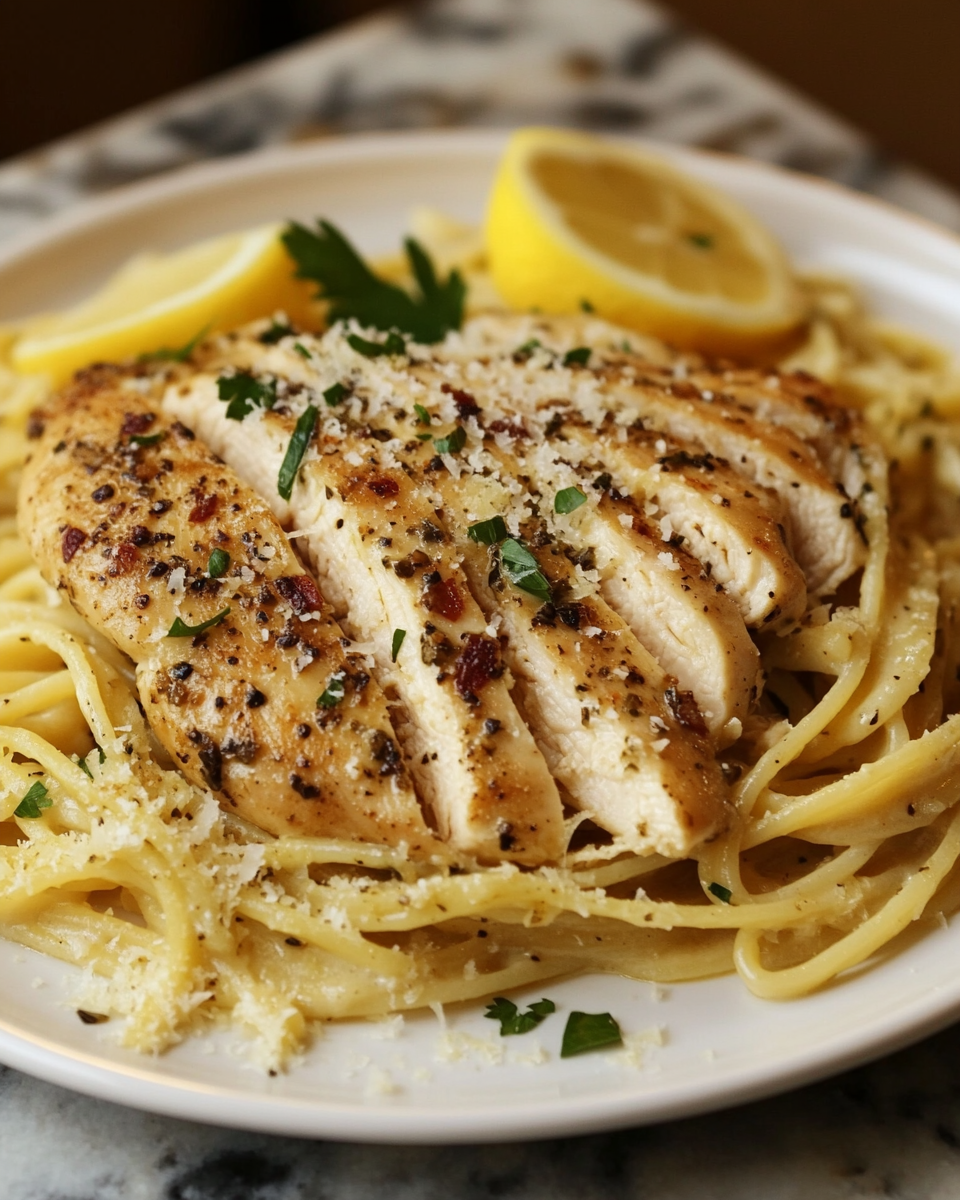
A bright plate of Lemon Herb Chicken Pasta brings together tender chicken, silky pasta, and a citrusy herb sauce that feels light yet deeply satisfying. This dish leans on everyday ingredients that come together in a balanced way, making it suitable for both weeknight cooking and relaxed weekend meals.

The lemon brings a clean, tangy lift while fresh herbs add depth and aroma. Each bite carries a mix of savory chicken, gentle garlic notes, and a smooth pasta coating that ties everything together without feeling heavy.

This recipe works well for anyone who enjoys fresh, comforting meals with straightforward preparation and familiar pantry staples.

Ingredients Overview

The base of this dish starts with chicken breast, which offers lean protein and absorbs flavor well during cooking. When seared properly, it develops a light golden surface that adds depth to the final dish.

Lemon juice and lemon zest provide the signature citrus profile. The juice brings brightness, while the zest adds concentrated aroma. Together, they create a balanced tang that lifts the creamy elements without overpowering them.

Olive oil acts as the cooking fat, helping to carry flavors from garlic and herbs throughout the dish. It also supports a smooth sauce texture when combined with pasta water and dairy.

Garlic plays an essential role in building savory depth. When lightly cooked, it becomes aromatic and blends into the sauce base without dominating it.

Fresh herbs such as parsley and basil introduce a green, fragrant note. They soften the richness of the sauce and add freshness to each bite.

Pasta serves as the structure of the dish. Shapes like fettuccine, linguine, or penne work well because they hold onto the sauce and distribute flavor evenly.

A small amount of cream or milk helps create a silky coating for the pasta. It balances the acidity from the lemon and brings everything together into a cohesive sauce.

Parmesan cheese adds a salty, nutty finish. It melts into the sauce, thickening it slightly and adding a savory layer that complements the chicken.

Salt and black pepper round out the seasoning, sharpening flavors and bringing balance to the citrus and herbs. Optional red pepper flakes can add mild heat for those who prefer a slight kick.

Ingredients

1 pound chicken breast, sliced into strips
12 ounces pasta (fettuccine, linguine, or penne)
2 tablespoons olive oil
3 cloves garlic, minced
1 teaspoon lemon zest
1/4 cup fresh lemon juice
1 cup heavy cream or whole milk
1/2 cup grated Parmesan cheese
1/3 cup fresh parsley, chopped
2 tablespoons fresh basil, chopped
1 teaspoon salt
1/2 teaspoon black pepper
1/4 teaspoon red pepper flakes (optional)
1/2 cup reserved pasta water

Step-by-Step Instructions

Begin by bringing a large pot of salted water to a boil. Add the pasta and cook until al dente according to package instructions. Before draining, reserve about half a cup of the cooking water, as it will help adjust the sauce later.

While the pasta cooks, prepare the chicken. Slice it into even strips so it cooks uniformly. Season with salt and black pepper on all sides.

Heat olive oil in a large skillet over medium heat. Once the oil is warm, add the chicken in a single layer. Allow it to cook without moving it too much at first so it develops a light golden surface. After a few minutes, turn the pieces and continue cooking until fully cooked through. Remove the chicken from the pan and set it aside.

In the same skillet, reduce the heat slightly and add minced garlic. Stir gently for a short time until fragrant, taking care not to let it brown too much. Add lemon zest and stir it into the oil so the citrus aroma spreads through the pan.

Pour in the lemon juice, followed by cream or milk. Stir continuously so the mixture becomes smooth. Allow it to warm gently and begin to thicken slightly.

Add the grated Parmesan cheese and stir until it melts into the sauce. The texture should become creamy and lightly thickened. If it becomes too thick, add a small amount of reserved pasta water to loosen it.

Return the cooked chicken to the skillet and mix it into the sauce. Let it simmer briefly so the chicken absorbs the flavors.

Add the drained pasta directly into the skillet. Toss gently so the sauce coats each piece evenly. If needed, add more pasta water a little at a time until the texture feels smooth and cohesive.

Stir in chopped parsley and basil at the end. These herbs should remain fresh and bright, so avoid cooking them for too long. Adjust seasoning with additional salt and pepper if needed.

Remove from heat and let the pasta rest for a minute before serving. This short resting time helps the sauce settle into the pasta.

Tips, Variations & Substitutions

For a lighter version, replace heavy cream with whole milk or a mix of milk and a small amount of pasta water. The sauce will be slightly thinner but still smooth and flavorful.

Chicken thighs can be used instead of chicken breast for a richer taste and slightly juicier texture. They require a bit more cooking time but work well in this recipe.

Whole wheat or gluten-free pasta can be substituted without changing the core structure of the dish. Cooking times may vary slightly depending on the type used.

Adding vegetables such as spinach, zucchini, or cherry tomatoes can bring extra color and texture. These should be cooked lightly so they maintain their shape and freshness.

For a stronger lemon profile, increase the zest slightly while keeping the juice balanced to avoid excess acidity.

A small amount of butter can be added at the end for a silkier finish, especially if a richer sauce is preferred.

Serving Ideas & Occasions

Lemon Herb Chicken Pasta pairs well with simple side dishes such as roasted vegetables or a light green salad. The freshness of the pasta balances well with crisp greens dressed in a mild vinaigrette.

It also works nicely with warm bread or garlic toast, which can be used to scoop up any remaining sauce.

This dish fits well into weekday dinners due to its straightforward preparation, but it also works for casual gatherings where a fresh, comforting meal is preferred.

A glass of sparkling water with lemon or a light iced tea complements the citrus notes in the pasta without overpowering the flavors.

Nutritional & Health Notes

This dish provides a balanced mix of protein, carbohydrates, and fats. Chicken supplies lean protein, while pasta delivers energy through complex carbohydrates.

The use of olive oil adds heart-friendly fats, and the addition of herbs and lemon contributes freshness without heavy seasoning.

Portion size can be adjusted depending on dietary needs. Using whole grain pasta increases fiber content, while reducing cream lowers overall fat levels.

Parmesan cheese adds calcium and protein, though it should be used in moderation due to its sodium content.

FAQs

Can I use rotisserie chicken instead of fresh chicken?

Yes, rotisserie chicken works well in this recipe. It saves cooking time and still blends nicely with the lemon herb sauce. Simply shred or chop the chicken and add it to the skillet after the sauce is prepared. Let it warm through gently so it absorbs the flavors without becoming dry. This option is useful for quicker meal preparation while still keeping the dish satisfying and flavorful.

What type of pasta works best for this recipe?

Pasta shapes that hold sauce well are ideal. Fettuccine, linguine, penne, or rigatoni all work effectively. Long pasta allows the sauce to coat evenly, while tube-shaped pasta captures bits of chicken and herbs inside. Cooking to al dente texture is important so the pasta maintains structure when mixed with the sauce. Overcooked pasta may become too soft and lose its ability to hold the creamy coating.

Can I make this dish without cream?

Yes, the cream can be replaced with milk or a mixture of milk and reserved pasta water. The sauce will be lighter but still smooth. Adding a bit more Parmesan cheese helps maintain a creamy texture. Lemon juice and pasta water work together to create a light sauce base that still carries flavor well without needing heavy dairy.

How do I keep the chicken tender?

Cut the chicken into even strips and avoid overcooking. Cooking over medium heat and removing it from the pan as soon as it turns fully opaque helps maintain tenderness. Allowing it to rest briefly before adding it back to the sauce also helps keep moisture inside. Thin slices cook more evenly and reduce the risk of dryness.

Can I add vegetables to this pasta?

Yes, vegetables work well in this dish. Spinach, asparagus, zucchini, or cherry tomatoes are good options. They should be added at the right stage so they remain tender but not overcooked. Leafy greens can be stirred in at the end, while firmer vegetables should be lightly sautéed before combining with the sauce.

How strong is the lemon flavor?

The lemon flavor is noticeable but balanced. It provides brightness without overpowering the dish. The zest contributes aroma, while the juice adds gentle acidity. If a stronger citrus profile is preferred, additional zest can be added gradually. Reducing lemon juice slightly will soften the tang if a milder taste is desired.

Can this recipe be prepared ahead of time?

Yes, it can be prepared ahead, but it is best served fresh. If stored, keep the pasta and sauce in an airtight container in the refrigerator. When reheating, add a small amount of milk or water to loosen the sauce and restore its creamy texture. Gentle reheating over low heat helps maintain flavor and consistency.

[rank_math_breadcrumb]

Lemon Herb Chicken Pasta 7 Ultimate Zesty Fresh Bowl

Photo of author
Author: Mia
Published:

A bright plate of Lemon Herb Chicken Pasta brings together tender chicken, silky pasta, and a citrusy herb sauce that feels light yet deeply satisfying. This dish leans on everyday ingredients that come together in a balanced way, making it suitable for both weeknight cooking and relaxed weekend meals.

The lemon brings a clean, tangy lift while fresh herbs add depth and aroma. Each bite carries a mix of savory chicken, gentle garlic notes, and a smooth pasta coating that ties everything together without feeling heavy.

This recipe works well for anyone who enjoys fresh, comforting meals with straightforward preparation and familiar pantry staples.

Ingredients Overview

The base of this dish starts with chicken breast, which offers lean protein and absorbs flavor well during cooking. When seared properly, it develops a light golden surface that adds depth to the final dish.

Lemon juice and lemon zest provide the signature citrus profile. The juice brings brightness, while the zest adds concentrated aroma. Together, they create a balanced tang that lifts the creamy elements without overpowering them.

Olive oil acts as the cooking fat, helping to carry flavors from garlic and herbs throughout the dish. It also supports a smooth sauce texture when combined with pasta water and dairy.

Garlic plays an essential role in building savory depth. When lightly cooked, it becomes aromatic and blends into the sauce base without dominating it.

Fresh herbs such as parsley and basil introduce a green, fragrant note. They soften the richness of the sauce and add freshness to each bite.

Pasta serves as the structure of the dish. Shapes like fettuccine, linguine, or penne work well because they hold onto the sauce and distribute flavor evenly.

A small amount of cream or milk helps create a silky coating for the pasta. It balances the acidity from the lemon and brings everything together into a cohesive sauce.

Parmesan cheese adds a salty, nutty finish. It melts into the sauce, thickening it slightly and adding a savory layer that complements the chicken.

Salt and black pepper round out the seasoning, sharpening flavors and bringing balance to the citrus and herbs. Optional red pepper flakes can add mild heat for those who prefer a slight kick.

Ingredients

1 pound chicken breast, sliced into strips
12 ounces pasta (fettuccine, linguine, or penne)
2 tablespoons olive oil
3 cloves garlic, minced
1 teaspoon lemon zest
1/4 cup fresh lemon juice
1 cup heavy cream or whole milk
1/2 cup grated Parmesan cheese
1/3 cup fresh parsley, chopped
2 tablespoons fresh basil, chopped
1 teaspoon salt
1/2 teaspoon black pepper
1/4 teaspoon red pepper flakes (optional)
1/2 cup reserved pasta water

Step-by-Step Instructions

Begin by bringing a large pot of salted water to a boil. Add the pasta and cook until al dente according to package instructions. Before draining, reserve about half a cup of the cooking water, as it will help adjust the sauce later.

While the pasta cooks, prepare the chicken. Slice it into even strips so it cooks uniformly. Season with salt and black pepper on all sides.

Heat olive oil in a large skillet over medium heat. Once the oil is warm, add the chicken in a single layer. Allow it to cook without moving it too much at first so it develops a light golden surface. After a few minutes, turn the pieces and continue cooking until fully cooked through. Remove the chicken from the pan and set it aside.

In the same skillet, reduce the heat slightly and add minced garlic. Stir gently for a short time until fragrant, taking care not to let it brown too much. Add lemon zest and stir it into the oil so the citrus aroma spreads through the pan.

Pour in the lemon juice, followed by cream or milk. Stir continuously so the mixture becomes smooth. Allow it to warm gently and begin to thicken slightly.

Add the grated Parmesan cheese and stir until it melts into the sauce. The texture should become creamy and lightly thickened. If it becomes too thick, add a small amount of reserved pasta water to loosen it.

Return the cooked chicken to the skillet and mix it into the sauce. Let it simmer briefly so the chicken absorbs the flavors.

Add the drained pasta directly into the skillet. Toss gently so the sauce coats each piece evenly. If needed, add more pasta water a little at a time until the texture feels smooth and cohesive.

Stir in chopped parsley and basil at the end. These herbs should remain fresh and bright, so avoid cooking them for too long. Adjust seasoning with additional salt and pepper if needed.

Remove from heat and let the pasta rest for a minute before serving. This short resting time helps the sauce settle into the pasta.

Tips, Variations & Substitutions

For a lighter version, replace heavy cream with whole milk or a mix of milk and a small amount of pasta water. The sauce will be slightly thinner but still smooth and flavorful.

Chicken thighs can be used instead of chicken breast for a richer taste and slightly juicier texture. They require a bit more cooking time but work well in this recipe.

Whole wheat or gluten-free pasta can be substituted without changing the core structure of the dish. Cooking times may vary slightly depending on the type used.

Adding vegetables such as spinach, zucchini, or cherry tomatoes can bring extra color and texture. These should be cooked lightly so they maintain their shape and freshness.

For a stronger lemon profile, increase the zest slightly while keeping the juice balanced to avoid excess acidity.

A small amount of butter can be added at the end for a silkier finish, especially if a richer sauce is preferred.

Serving Ideas & Occasions

Lemon Herb Chicken Pasta pairs well with simple side dishes such as roasted vegetables or a light green salad. The freshness of the pasta balances well with crisp greens dressed in a mild vinaigrette.

It also works nicely with warm bread or garlic toast, which can be used to scoop up any remaining sauce.

This dish fits well into weekday dinners due to its straightforward preparation, but it also works for casual gatherings where a fresh, comforting meal is preferred.

A glass of sparkling water with lemon or a light iced tea complements the citrus notes in the pasta without overpowering the flavors.

Nutritional & Health Notes

This dish provides a balanced mix of protein, carbohydrates, and fats. Chicken supplies lean protein, while pasta delivers energy through complex carbohydrates.

The use of olive oil adds heart-friendly fats, and the addition of herbs and lemon contributes freshness without heavy seasoning.

Portion size can be adjusted depending on dietary needs. Using whole grain pasta increases fiber content, while reducing cream lowers overall fat levels.

Parmesan cheese adds calcium and protein, though it should be used in moderation due to its sodium content.

FAQs

Can I use rotisserie chicken instead of fresh chicken?

Yes, rotisserie chicken works well in this recipe. It saves cooking time and still blends nicely with the lemon herb sauce. Simply shred or chop the chicken and add it to the skillet after the sauce is prepared. Let it warm through gently so it absorbs the flavors without becoming dry. This option is useful for quicker meal preparation while still keeping the dish satisfying and flavorful.

What type of pasta works best for this recipe?

Pasta shapes that hold sauce well are ideal. Fettuccine, linguine, penne, or rigatoni all work effectively. Long pasta allows the sauce to coat evenly, while tube-shaped pasta captures bits of chicken and herbs inside. Cooking to al dente texture is important so the pasta maintains structure when mixed with the sauce. Overcooked pasta may become too soft and lose its ability to hold the creamy coating.

Can I make this dish without cream?

Yes, the cream can be replaced with milk or a mixture of milk and reserved pasta water. The sauce will be lighter but still smooth. Adding a bit more Parmesan cheese helps maintain a creamy texture. Lemon juice and pasta water work together to create a light sauce base that still carries flavor well without needing heavy dairy.

How do I keep the chicken tender?

Cut the chicken into even strips and avoid overcooking. Cooking over medium heat and removing it from the pan as soon as it turns fully opaque helps maintain tenderness. Allowing it to rest briefly before adding it back to the sauce also helps keep moisture inside. Thin slices cook more evenly and reduce the risk of dryness.

Can I add vegetables to this pasta?

Yes, vegetables work well in this dish. Spinach, asparagus, zucchini, or cherry tomatoes are good options. They should be added at the right stage so they remain tender but not overcooked. Leafy greens can be stirred in at the end, while firmer vegetables should be lightly sautéed before combining with the sauce.

How strong is the lemon flavor?

The lemon flavor is noticeable but balanced. It provides brightness without overpowering the dish. The zest contributes aroma, while the juice adds gentle acidity. If a stronger citrus profile is preferred, additional zest can be added gradually. Reducing lemon juice slightly will soften the tang if a milder taste is desired.

Can this recipe be prepared ahead of time?

Yes, it can be prepared ahead, but it is best served fresh. If stored, keep the pasta and sauce in an airtight container in the refrigerator. When reheating, add a small amount of milk or water to loosen the sauce and restore its creamy texture. Gentle reheating over low heat helps maintain flavor and consistency.
Name

Lorem ipsum dolor sit amet, consectetur adipiscing elit. Suspendisse varius enim in eros elementum tristique. Duis cursus, mi quis viverra ornare, eros dolor interdum nulla, ut commodo diam libero vitae erat.

You Might Also Like...

BBQ Chicken Biscuit Casserole: 7 Amazing Cozy Flavors

BBQ Chicken Biscuit Casserole: 7 Amazing Cozy Flavors

Lemon Herb Chicken Pasta: 5 Simple Cozy Plates

Lemon Herb Chicken Pasta: 5 Simple Cozy Plates

Buffalo Chicken Flatbread: 5 Terrific Cozy Slices

Buffalo Chicken Flatbread: 5 Terrific Cozy Slices

Chicken Quesadilla Bake: 5 Simple Cozy Layers

Chicken Quesadilla Bake: 5 Simple Cozy Layers

Tags:

You might also like these recipes

Leave a Comment